






Archive: People and Markets
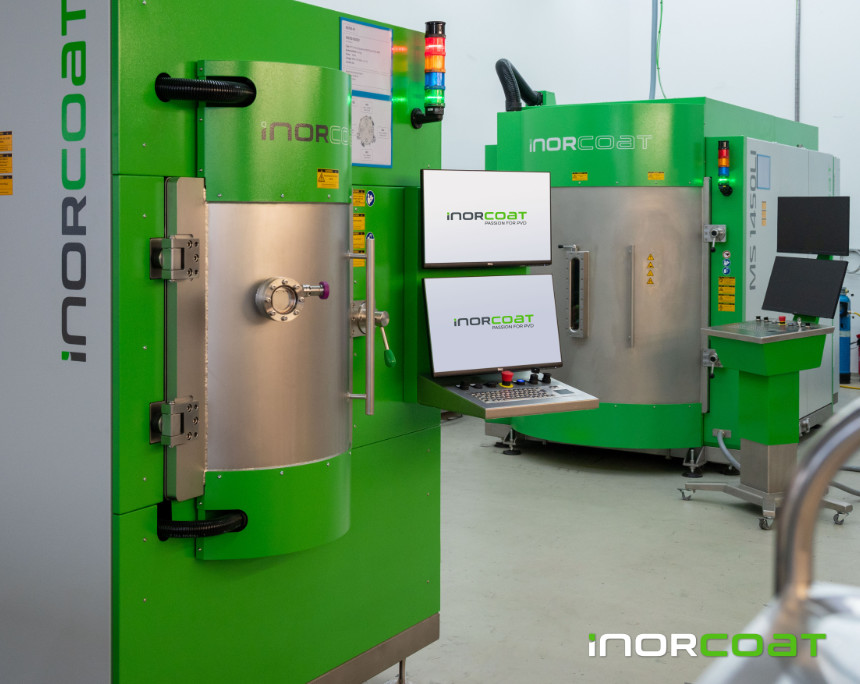
INORCOAT: How to Make Minting More Sustainable
Are you annoyed by all the laws that make our lives more difficult but have no positive effect? Here’s an example of a law that actually makes sense: the planned ban on chromium (VI) electroplating is helping an innovative technology to make a breakthrough – and this development brings decisive advantages for the minting industry. Romain Waidelich of INORCOAT takes us behind the scenes.
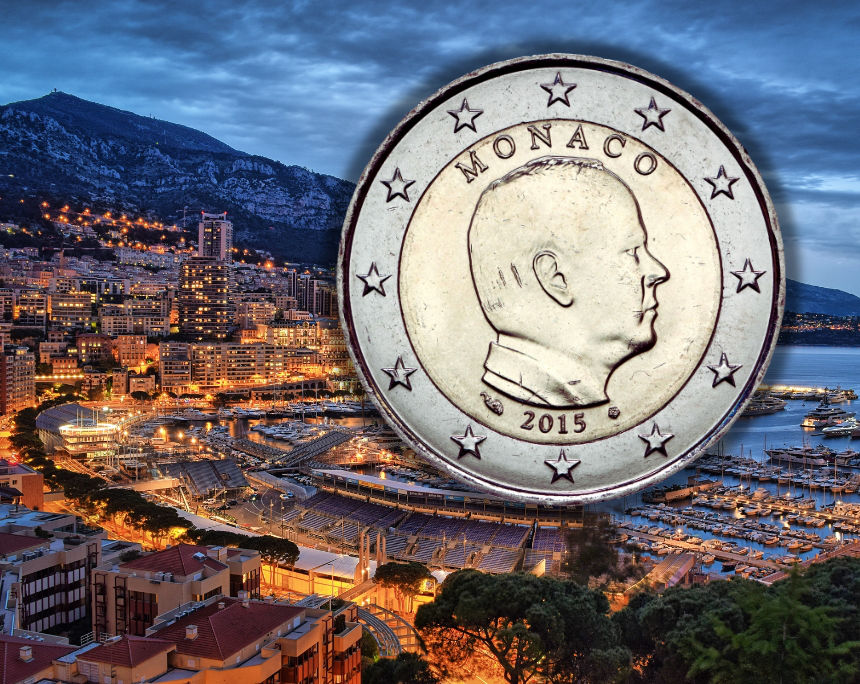
New Museum Management in Monaco: A Year Full of Surprises for Euro Collectors?
At first glance, it is “only” a piece of news on a new museum director – but the change at the top of the “Musée des Timbres et des Monnaies de Monaco” could herald a new era in the coin issuance policy of the Principality, which could spark discussions among collectors.
Archive: Coins, Medals and more
 https://new.coinsweekly.com/wp-content/uploads/2024/03/00-2024KW13aHauptartikel_00.jpg
684
860
Sebastian Wieschowski
https://new.coinsweekly.com/wp-content/uploads/2023/01/logo-coinsweekly_590x204.png
Sebastian Wieschowski2024-03-28 08:00:342024-03-28 10:58:28Croatia’s First Year as a Euro Country: A New Era for Coin Collectors and the Croatian Mint
https://new.coinsweekly.com/wp-content/uploads/2024/03/00-2024KW13aHauptartikel_00.jpg
684
860
Sebastian Wieschowski
https://new.coinsweekly.com/wp-content/uploads/2023/01/logo-coinsweekly_590x204.png
Sebastian Wieschowski2024-03-28 08:00:342024-03-28 10:58:28Croatia’s First Year as a Euro Country: A New Era for Coin Collectors and the Croatian Mint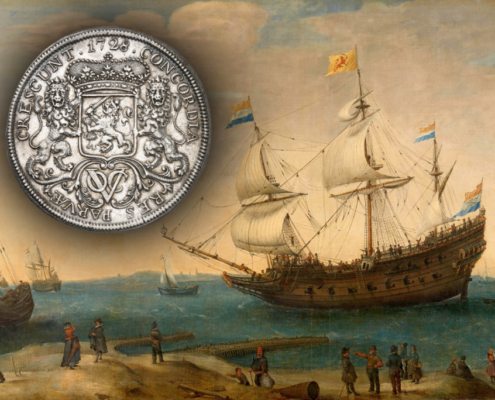 https://new.coinsweekly.com/wp-content/uploads/2025/02/2025KW09HA01_00.jpg
684
860
Lucie Loechel
https://new.coinsweekly.com/wp-content/uploads/2023/01/logo-coinsweekly_590x204.png
Lucie Loechel2025-02-27 10:27:202025-02-27 12:01:04VOC: The Other Side of the Dutch Golden Age
https://new.coinsweekly.com/wp-content/uploads/2025/02/2025KW09HA01_00.jpg
684
860
Lucie Loechel
https://new.coinsweekly.com/wp-content/uploads/2023/01/logo-coinsweekly_590x204.png
Lucie Loechel2025-02-27 10:27:202025-02-27 12:01:04VOC: The Other Side of the Dutch Golden Age
50 Years of Alpha Bank Numismatic Collection: “The Other Side of the Coin”
50 years ago the Alpha Bank Numismatic Collection was created. Now, an anniversary exhibition in Athens presents 150 coins from the collection illustrating “The Other Side of the Coin”: coins as means of communication and objects of art.
The Certified Collectibles Group: More than Coins and Comic Books
In 2021, the Certified Collectibles Group surprised the numismatic community by announcing that the Blackstone investment firm would become a majority shareholder. This raised the question of what this might mean for the coin market. Ursula Kampmann was in Sarasota to visit the new Certified Collectibles Group.