






Archive: People and Markets
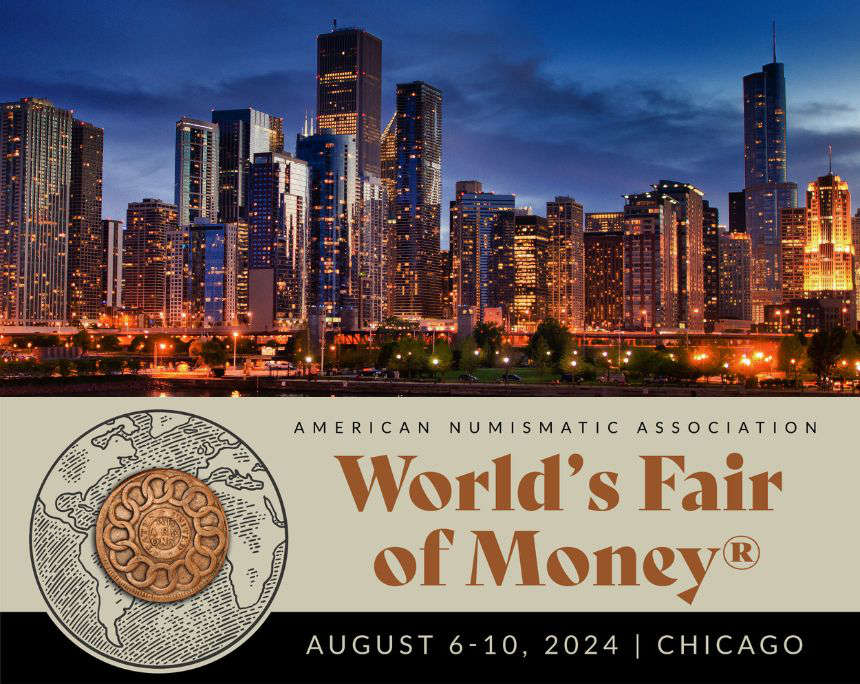
Numismatic Treasures at ANA 2024 Chicago World’s Fair of Money
Preparations are underway for the renowned coin show, hosted by the American Numismatic Association. Highlights include the finest known 1794 Flowing Hair dollar, insured for $15 million, which can be seen before entering a private collection.
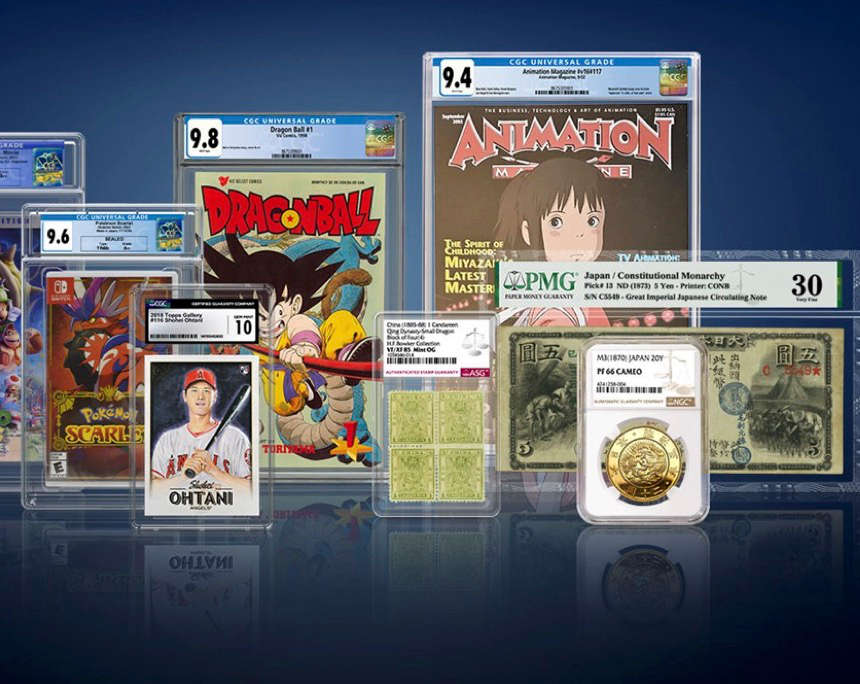
CCG to Open Tokyo Office in 2024
The Certified Collectibles Group® announced that it will open an office in Tokyo, Japan, in 2024. The new CCG office will make it easier for collectors and dealers in Japan and the surrounding region to submit to NGC, PMG and CGC.
Archive: Coins, Medals and more
 https://new.coinsweekly.com/wp-content/uploads/2024/05/2024KW19HA_00.jpg
684
860
Ursula Kampmann
https://new.coinsweekly.com/wp-content/uploads/2023/01/logo-coinsweekly_590x204.png
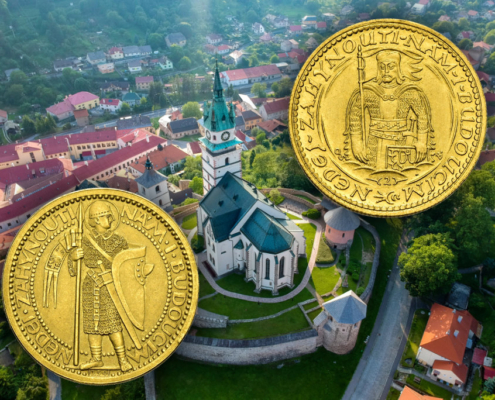
Ursula Kampmann2024-05-08 08:46:252024-05-08 08:46:25The First Years of Czechoslovak Coinage
https://new.coinsweekly.com/wp-content/uploads/2024/05/2024KW19HA_00.jpg
684
860
Ursula Kampmann
https://new.coinsweekly.com/wp-content/uploads/2023/01/logo-coinsweekly_590x204.png
Ursula Kampmann2024-05-08 08:46:252024-05-08 08:46:25The First Years of Czechoslovak Coinage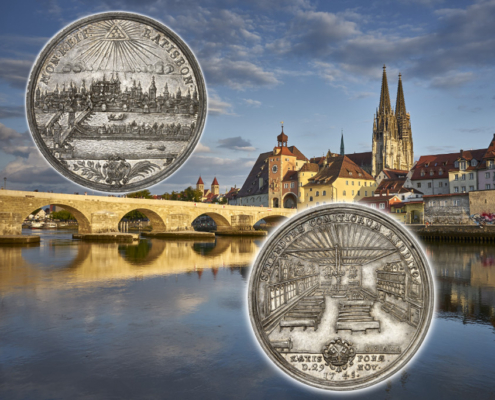 https://new.coinsweekly.com/wp-content/uploads/2024/03/2024KW12HA_00.jpg
684
860
Ursula Kampmann
https://new.coinsweekly.com/wp-content/uploads/2023/01/logo-coinsweekly_590x204.png
Ursula Kampmann2024-03-14 11:47:492024-03-14 11:57:08Regensburg: Where the Emperor and the Empire Met
https://new.coinsweekly.com/wp-content/uploads/2024/03/2024KW12HA_00.jpg
684
860
Ursula Kampmann
https://new.coinsweekly.com/wp-content/uploads/2023/01/logo-coinsweekly_590x204.png
Ursula Kampmann2024-03-14 11:47:492024-03-14 11:57:08Regensburg: Where the Emperor and the Empire Met
PMG Grading On-site in Munich and at MIF Maastricht
In September 2023, Collectors and dealers can submit banknotes at the PMG Munich office or at PMG’s booth at the MIF show for on-site grading.
Course: Coins and the Sacred in Roman and Early Modern Times
In November, a numismatics course will take place in Rome, focusing on religion and religious power on coins. German and Dutch students can count on support with their travel costs.