







Archive: People and Markets
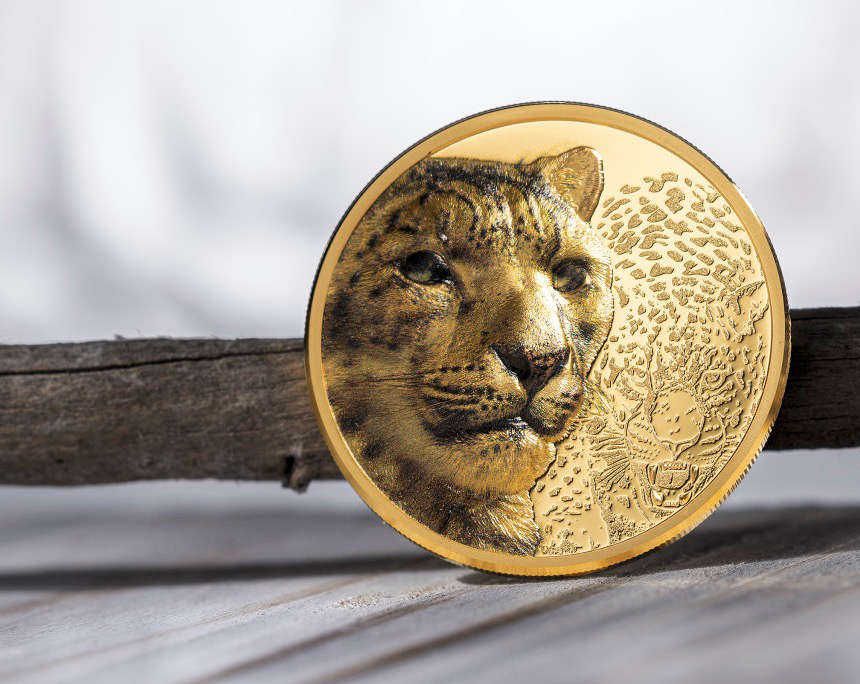
CIT’s Wild Mongolia – Snow Leopard
Wild Mongolia is the series with which CIT first introduced the new possibilities of smartminting® 2.0. By now, CIT has once again expanded the possibilities of smartminting® with the launch of smartminting® 4.0, and this is already the fifth issue of the Wild Mongolia series. It is dedicated to the snow leopard and features yet another innovation.
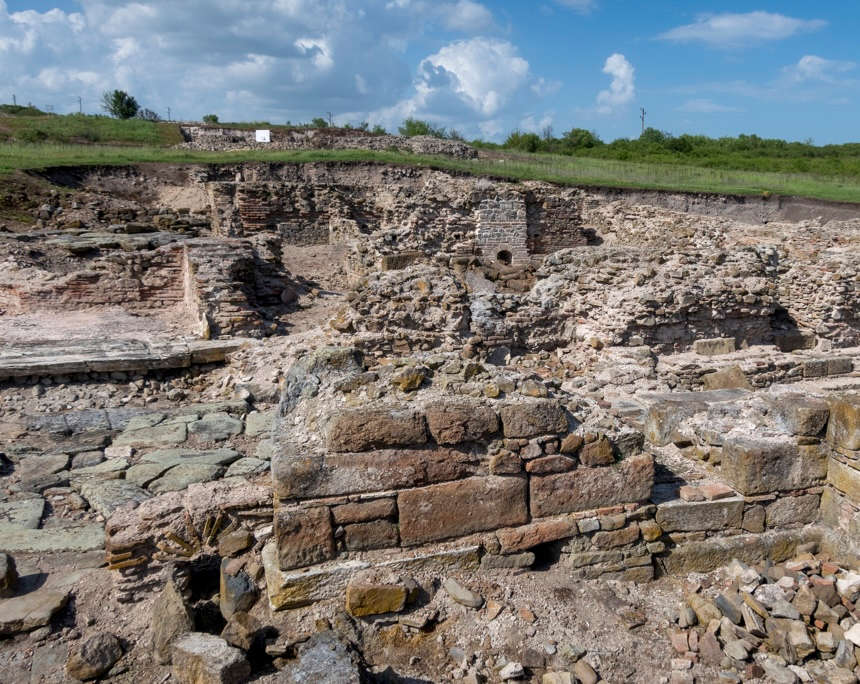
The Second Sofia Numismatic School
Students who wish to deepen their knowledge of ancient numismatics can now apply for the Sofia Numismatic School. It will take place in September 2025 at the Archaeological Research Base of the Roman Colony of Deultum (near Burgas).
Archive: Coins, Medals and more
 https://new.coinsweekly.com/wp-content/uploads/2023/12/2023KW50HA_00B.jpg
684
860
Ursula Kampmann
https://new.coinsweekly.com/wp-content/uploads/2023/01/logo-coinsweekly_590x204.png
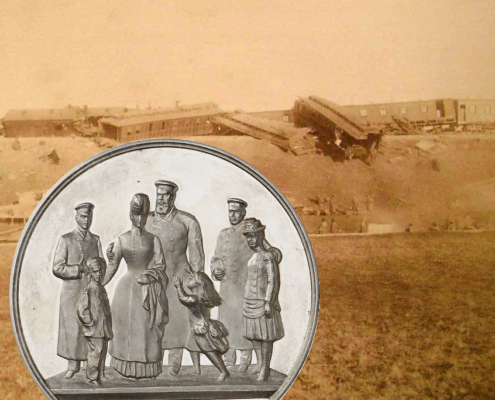
Ursula Kampmann2023-12-14 10:41:562023-12-14 10:41:56The Borki Train Disaster
https://new.coinsweekly.com/wp-content/uploads/2023/12/2023KW50HA_00B.jpg
684
860
Ursula Kampmann
https://new.coinsweekly.com/wp-content/uploads/2023/01/logo-coinsweekly_590x204.png
Ursula Kampmann2023-12-14 10:41:562023-12-14 10:41:56The Borki Train Disaster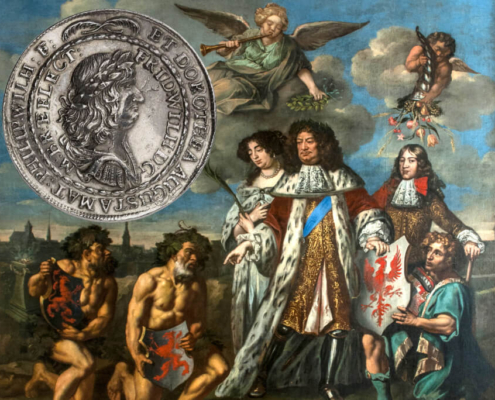 https://new.coinsweekly.com/wp-content/uploads/2023/12/2023KW51HA_00.jpg
684
860
Ursula Kampmann
https://new.coinsweekly.com/wp-content/uploads/2023/01/logo-coinsweekly_590x204.png
Ursula Kampmann2023-12-21 09:39:422023-12-21 09:51:29The Great Elector, Taxes and the Rise of Prussia
https://new.coinsweekly.com/wp-content/uploads/2023/12/2023KW51HA_00.jpg
684
860
Ursula Kampmann
https://new.coinsweekly.com/wp-content/uploads/2023/01/logo-coinsweekly_590x204.png
Ursula Kampmann2023-12-21 09:39:422023-12-21 09:51:29The Great Elector, Taxes and the Rise of Prussia
Numista Now Has a New Literature Section
Numista has recently expanded its offerings with a dedicated section for numismatic literature, providing a valuable resource for researchers and enthusiasts alike. A particularly innovative feature of this section is its integration with Numista’s existing coin catalogue, which allows users to seamlessly navigate from a reference number of a coin to the corresponding literary reference, and from that catalogue back to the numismatic objects listed within.
Numisma – The Zoom Seminar Series of the Australian Centre for Ancient Numismatic Studies
Today the online lecture series NUMISMA starts into the second half of the year. Students, researchers and collectors who are interested in ancient coins are very welcome! Find the upcoming lectures here.