







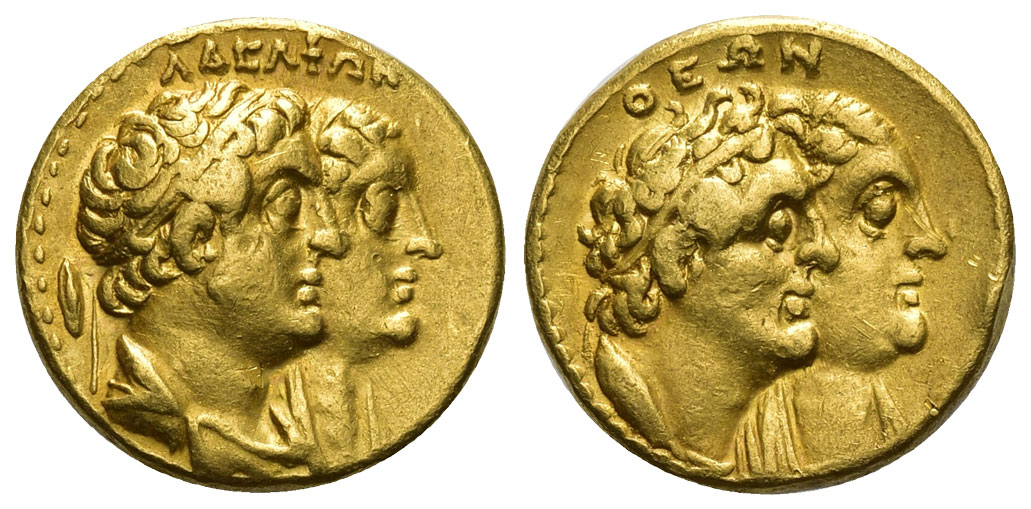
AV Tetradrachm (282–272 BC),
King Ptolemy II and Queen Arsinoe II.
From the major collection of Alexandria mint.
Condition: vf+
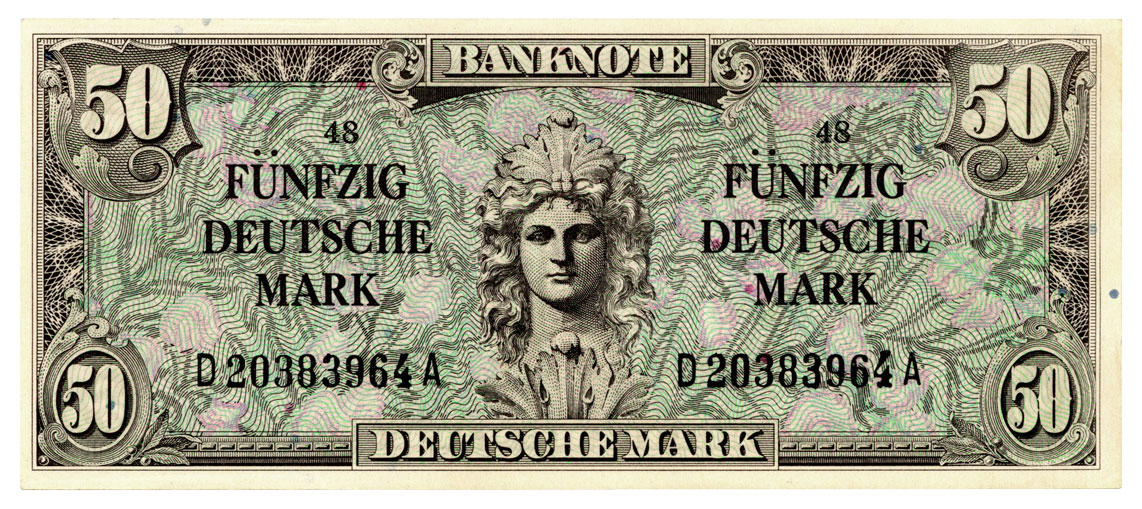
50 Deutsche Mark o.D. ( 1948-1949) "Liberty".
Condition: extremly rare, I
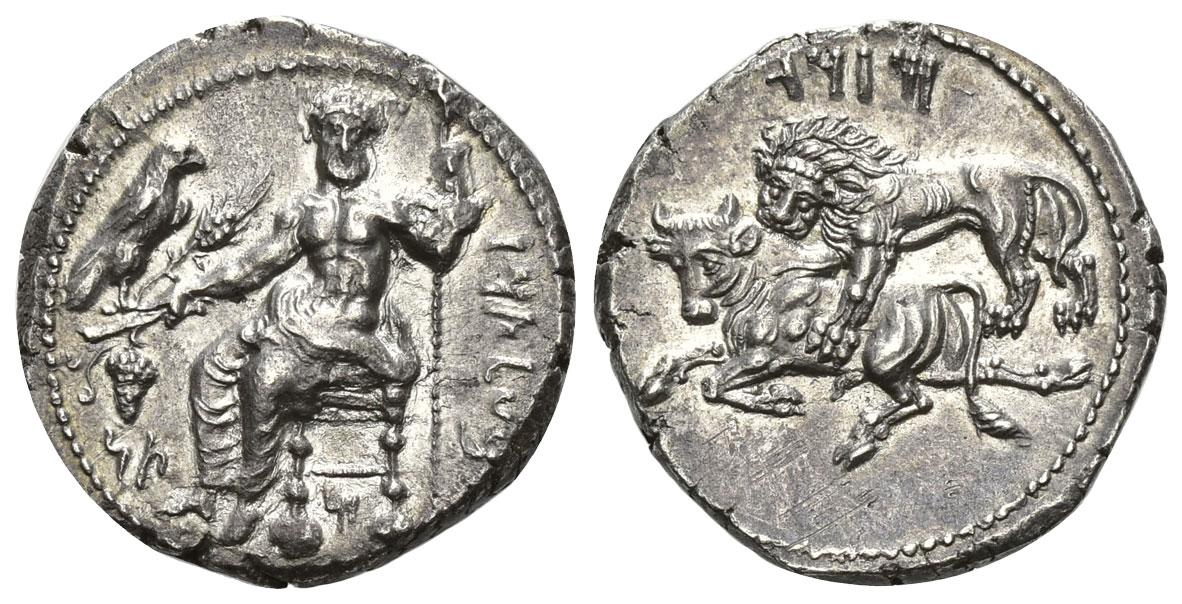
AR Stater (361-334 BC).
Obv. Baal of Tarsos.
Conditon: ef
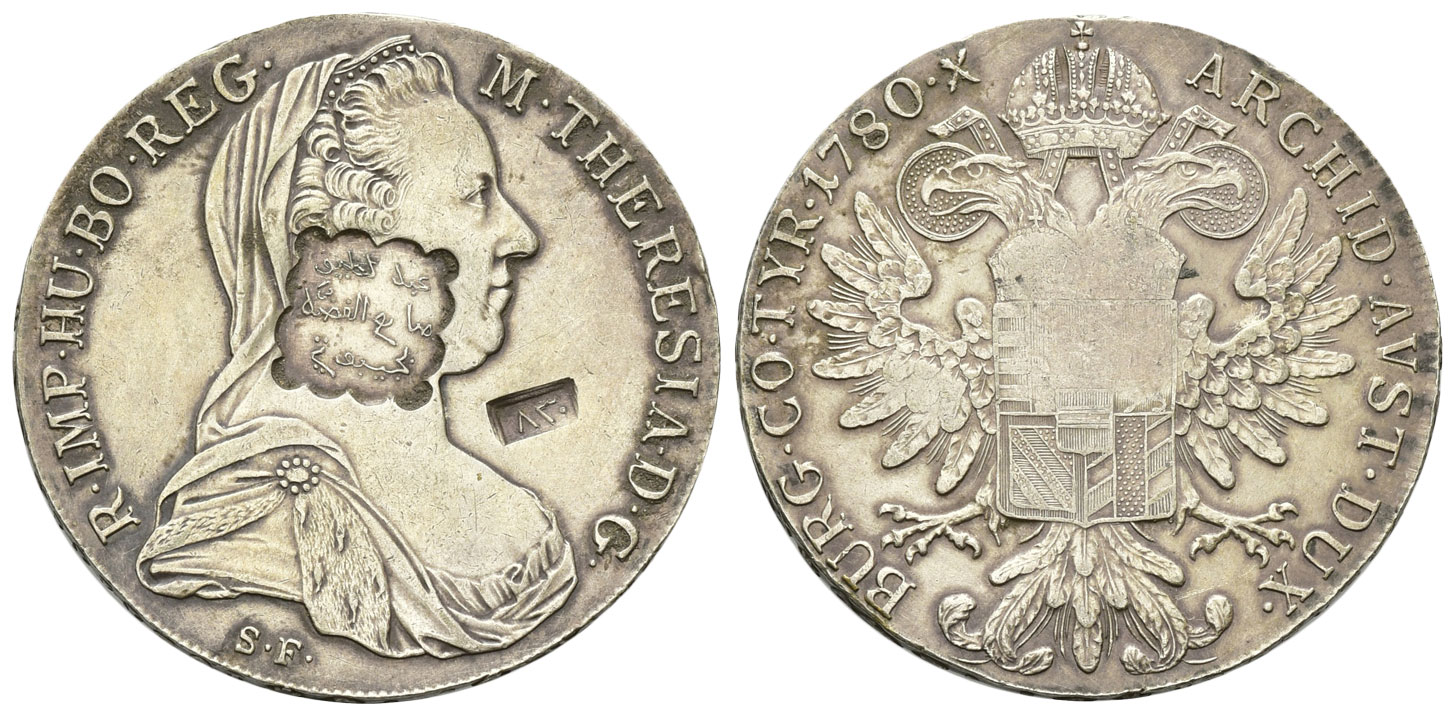
Taler 1780 SF
with counter stamp Djibouti (1870-1900).
Condition: vf
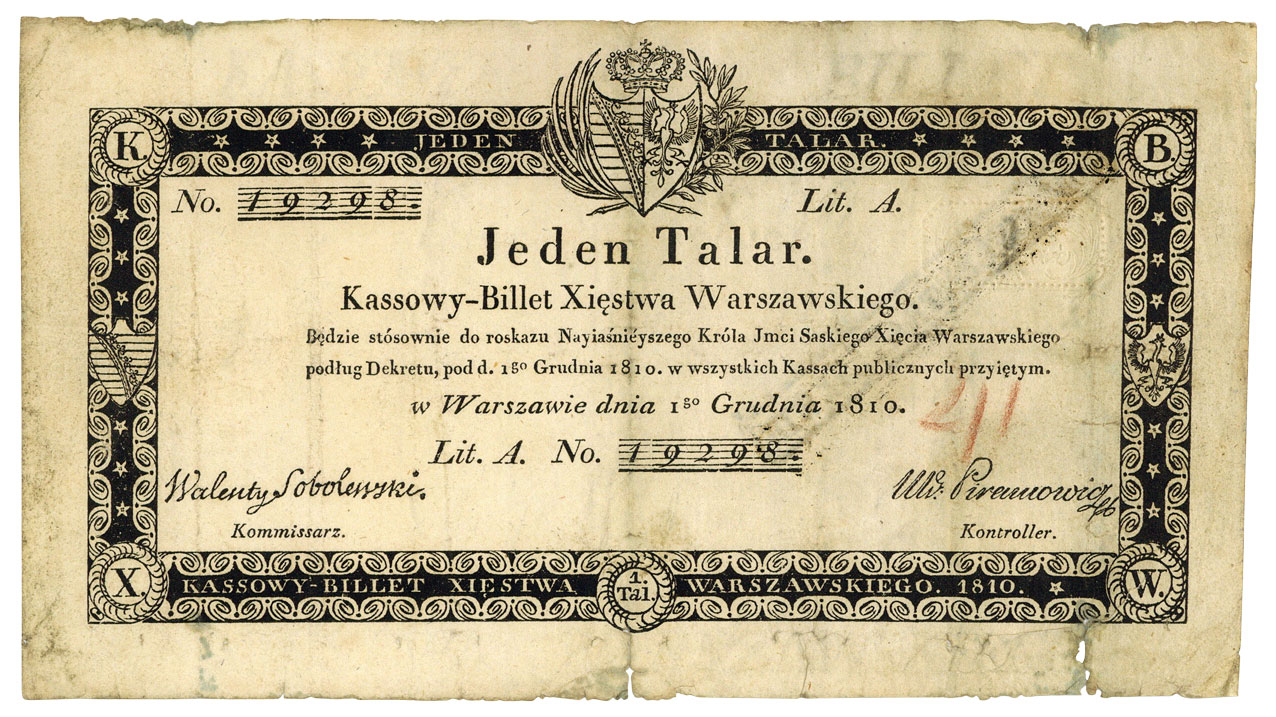
1 Talar 1. December 1810.
Condition: III-IV
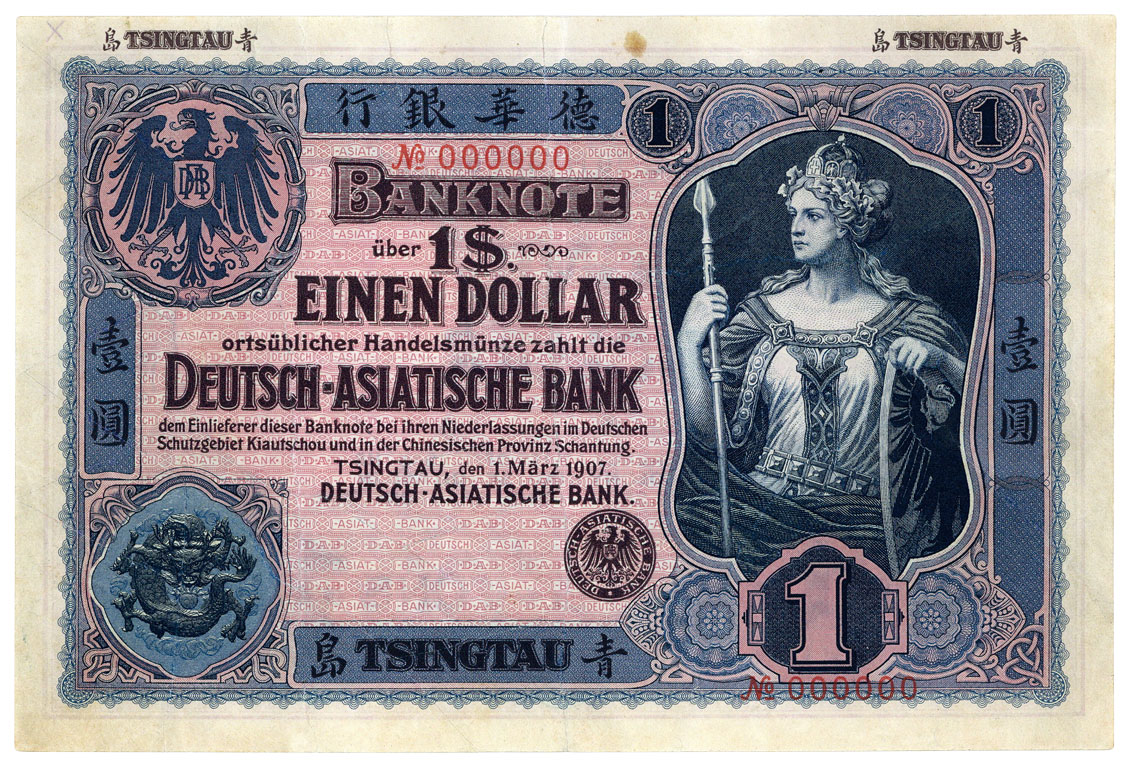
1 Dollar 1.3.1907, Tsingtao.
Condition: very rare, restored
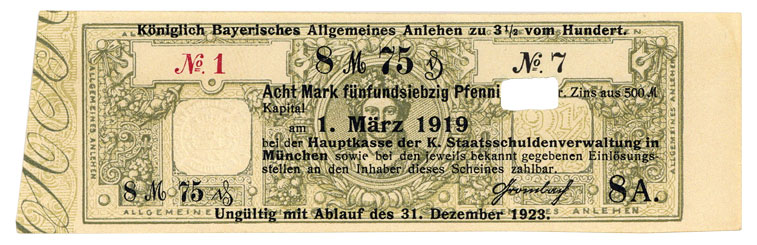
Royal Bavarian General Loan.
8.75 Marks, March 1, 1919.
Condition: rare, I
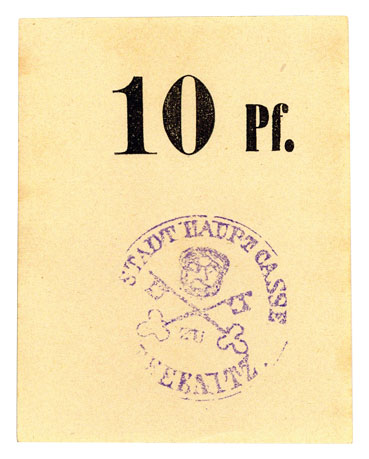
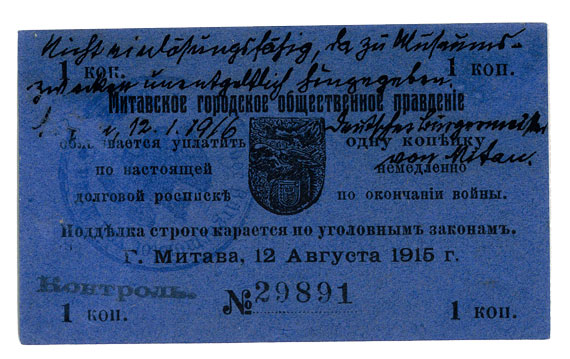
Archive: People and Markets
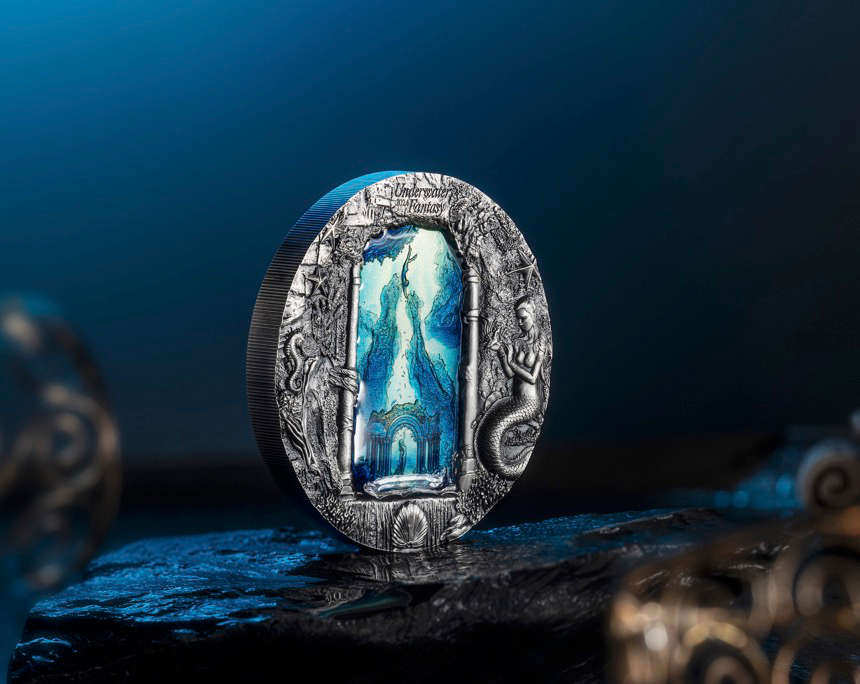
CIT’s Underwater Fantasy – Mermaids
The more we learn about the underwater world, its colorful, bizarrely shaped creatures and the sunken testaments to mankind, the more it captures our imagination and inspires our dreams. CIT translated this feeling into a numismatic shape. From a technical point of view, the application of enamel reproducing underwater visuals is highly remarkable.
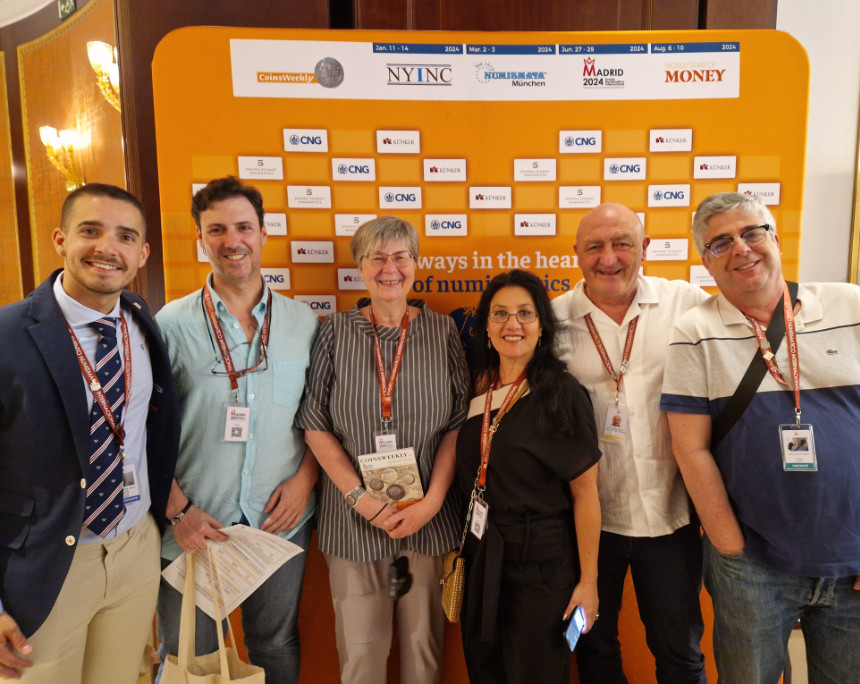
NUMMUS – Spain’s New Numismatic Society
In March 2024, a new numismatic association was created in Spain with a strong commitment to private collectors as agents of cultural generation and heritage conservation. Find out more about the aims of NUMMUS here.
Archive: Coins, Medals and more
 https://new.coinsweekly.com/wp-content/uploads/2023/11/2023KW46HA_00.jpg
684
860
Ursula Kampmann
https://new.coinsweekly.com/wp-content/uploads/2023/01/logo-coinsweekly_590x204.png
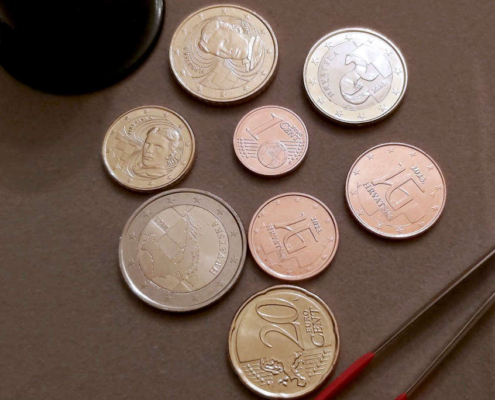
Ursula Kampmann2023-11-16 09:14:582023-11-16 09:23:58The First Error Coins from Croatia
https://new.coinsweekly.com/wp-content/uploads/2023/11/2023KW46HA_00.jpg
684
860
Ursula Kampmann
https://new.coinsweekly.com/wp-content/uploads/2023/01/logo-coinsweekly_590x204.png
Ursula Kampmann2023-11-16 09:14:582023-11-16 09:23:58The First Error Coins from Croatia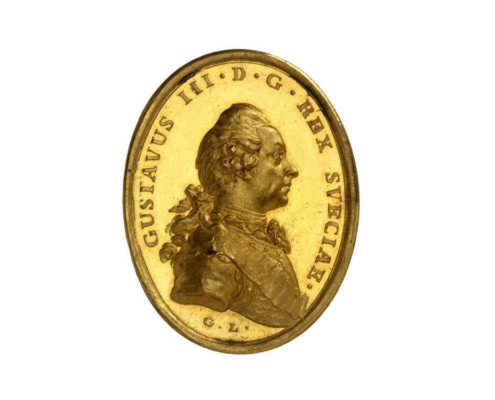 https://new.coinsweekly.com/wp-content/uploads/2023/05/2023KW20HA00.jpg
750
1000
Ursula Kampmann
https://new.coinsweekly.com/wp-content/uploads/2023/01/logo-coinsweekly_590x204.png
Ursula Kampmann2023-05-17 10:00:472023-06-27 11:25:44Gustav III: A Conservative Revolutionary
https://new.coinsweekly.com/wp-content/uploads/2023/05/2023KW20HA00.jpg
750
1000
Ursula Kampmann
https://new.coinsweekly.com/wp-content/uploads/2023/01/logo-coinsweekly_590x204.png
Ursula Kampmann2023-05-17 10:00:472023-06-27 11:25:44Gustav III: A Conservative Revolutionary
Collection of British Celtic Coins Accessible Online
A collection of Celtic British coins in the possession of The Hunterian Museum in Glasgow is now digitally catalogued and accessible worldwide, thanks to student volunteers from the University of Glasgow.
Coin Dealer Richard Beale Pleads Guilty
Richard Beale has pleaded guilty to a number of charges. At a court hearing in New York in August 2023, the British coin dealer admitted, among other things, to falsifying the provenance of an EID MAR aureus.