







Archive: People and Markets
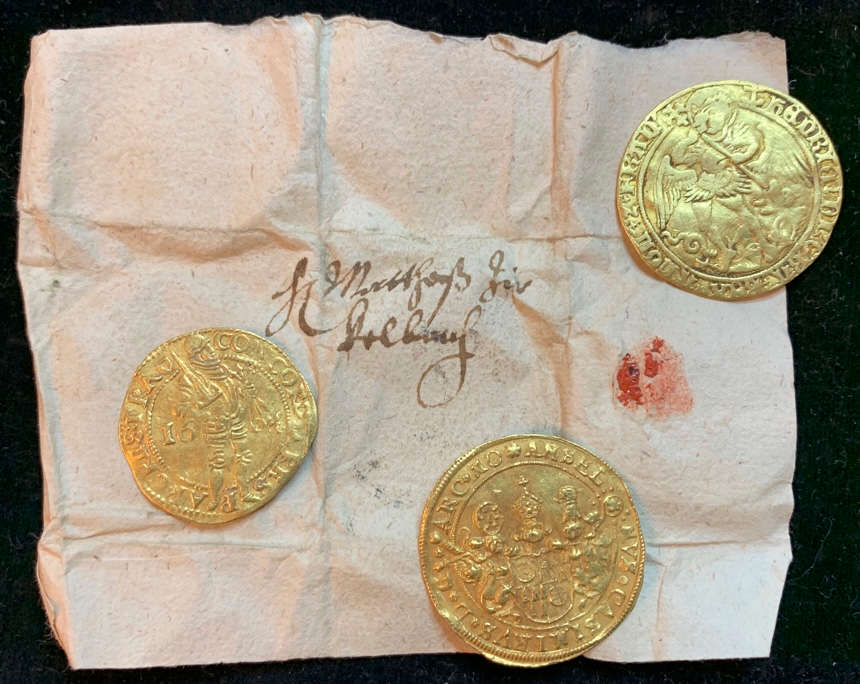
Eisleben, Germany: Church Treasure Recovered After Almost 400 Years
What a find: last year, a hoard of 864 coins was discovered in a sandstone figure in a church in Eisleben, Germany. The coins were hidden there during the Thirty Years’ War and provide a rare insight into the currency in circulation at that time. A coin expert from the region tells us more about it.
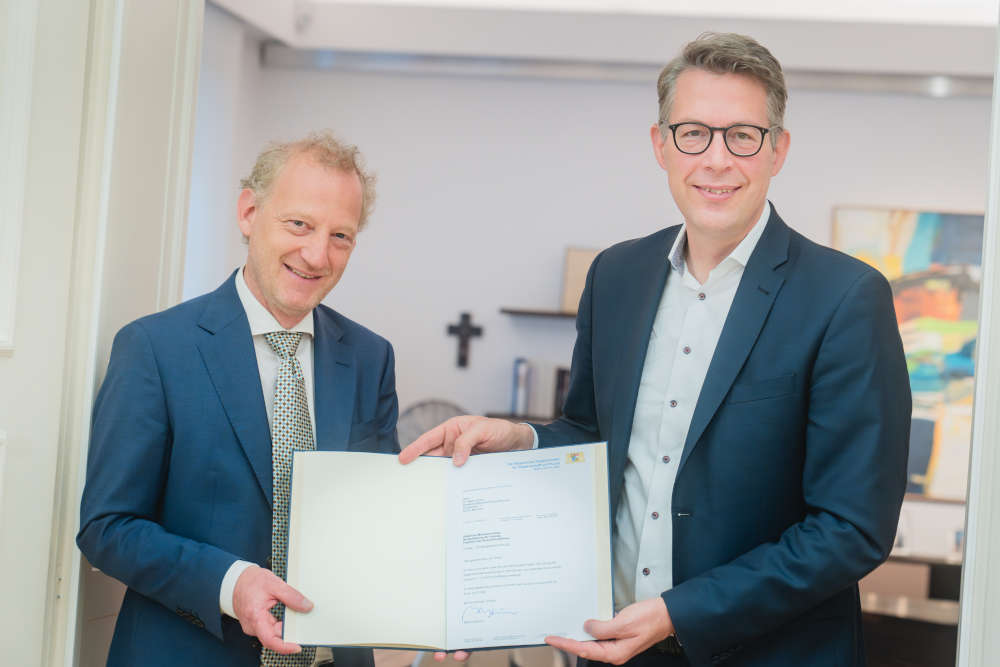
Martin Hirsch Becomes the New Director of the Bavarian State Coin Collection
Martin Hirsch has worked at the Bavarian State Coin Collection in Munich for years, and now he has been appointed Director. Dr. Hirsch has a lot planned for his new role.
Archive: Coins, Medals and more
 https://new.coinsweekly.com/wp-content/uploads/2024/11/2024KW45HA1_00.jpg
684
860
Bruno
https://new.coinsweekly.com/wp-content/uploads/2023/01/logo-coinsweekly_590x204.png
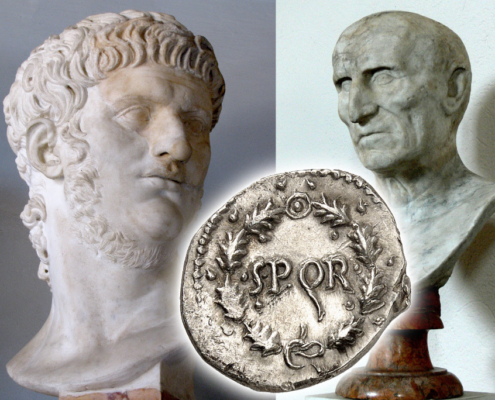
Bruno2024-11-07 08:49:152024-11-08 14:14:32The Roman Civil War of 68/9: The Prelude to the Year of the Four Emperors
https://new.coinsweekly.com/wp-content/uploads/2024/11/2024KW45HA1_00.jpg
684
860
Bruno
https://new.coinsweekly.com/wp-content/uploads/2023/01/logo-coinsweekly_590x204.png
Bruno2024-11-07 08:49:152024-11-08 14:14:32The Roman Civil War of 68/9: The Prelude to the Year of the Four Emperors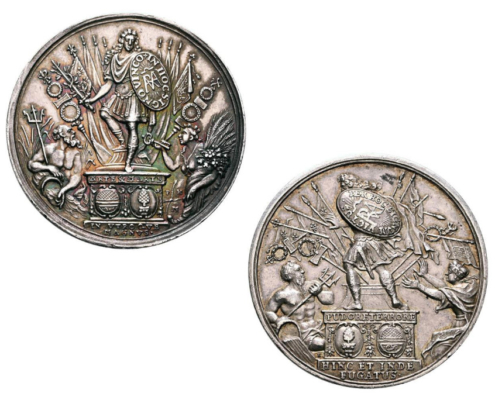 https://new.coinsweekly.com/wp-content/uploads/2025/05/2025KW20HA02_00.jpg
684
860
Lucie Loechel
https://new.coinsweekly.com/wp-content/uploads/2023/01/logo-coinsweekly_590x204.png
Lucie Loechel2025-05-15 10:14:562025-05-15 10:14:56Between Triumph and Tragedy – Maximilian II Emanuel, “The Prince of Bankrupts”
https://new.coinsweekly.com/wp-content/uploads/2025/05/2025KW20HA02_00.jpg
684
860
Lucie Loechel
https://new.coinsweekly.com/wp-content/uploads/2023/01/logo-coinsweekly_590x204.png
Lucie Loechel2025-05-15 10:14:562025-05-15 10:14:56Between Triumph and Tragedy – Maximilian II Emanuel, “The Prince of Bankrupts”
Solomon Islands New Banknote released in celebration of the XVII Pacific Games
The Central Bank of the Solomon Islands released new $10 commemorative banknotes to commemorate the XVII Pacific Games that the island country will hosting for the first time this year. The new banknote is expected to be widely circulated for use throughout the Solomon Islands.
Striking Designs – Exhibition at the Dumbarton Oaks
A new special exhibition is on view at the Dumbarton Oaks Museum in Washington D.C. „Striking Designs: Communicating Through Coins” explores what the images on coins can tell us about the late Roman and Byzantine empire.