







Archive: People and Markets
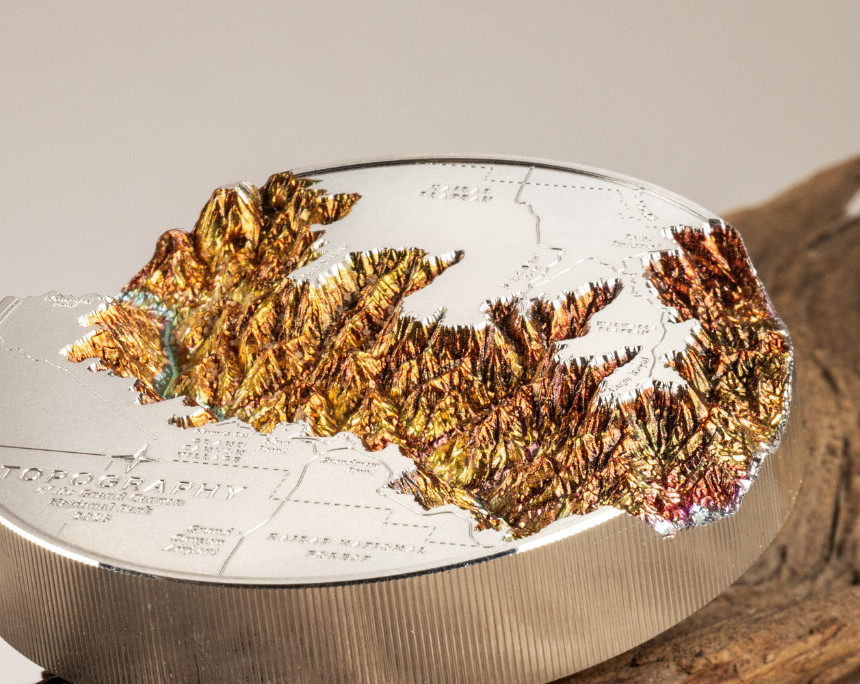
CIT’s Topography – Grand Canyon
Those who take this Grand Canyon coin in their hands for the first time, will find it hard to believe how detailed it replicates the relief of the Grand Canyon. With this issue, CIT and B. H. Mayer’s Kunstprägeanstalt demonstrate that an ultra-high relief can also be turned into an ultra-low relief.
IAPN Asks Collectors to Help Protect Roman Coin Collecting
Will Roman coins in general be considered the cultural property of Italy by US Customs unless you can provide extensive proof of ownership? Such concerns are raised by the proposed extension of a Memorandum of Understanding between the US and Italy. The IAPN is calling on collectors to take action.
Archive: Coins, Medals and more
 https://new.coinsweekly.com/wp-content/uploads/2023/12/2023KW50HA_00B.jpg
684
860
Ursula Kampmann
https://new.coinsweekly.com/wp-content/uploads/2023/01/logo-coinsweekly_590x204.png
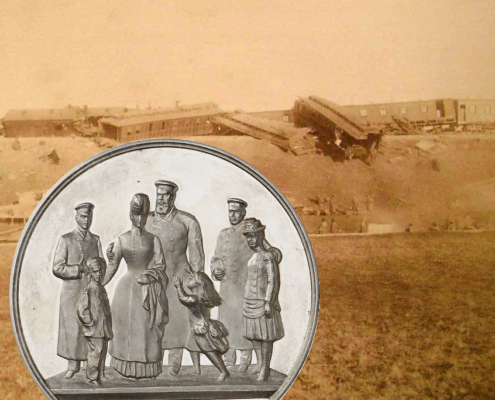
Ursula Kampmann2023-12-14 10:41:562023-12-14 10:41:56The Borki Train Disaster
https://new.coinsweekly.com/wp-content/uploads/2023/12/2023KW50HA_00B.jpg
684
860
Ursula Kampmann
https://new.coinsweekly.com/wp-content/uploads/2023/01/logo-coinsweekly_590x204.png
Ursula Kampmann2023-12-14 10:41:562023-12-14 10:41:56The Borki Train Disaster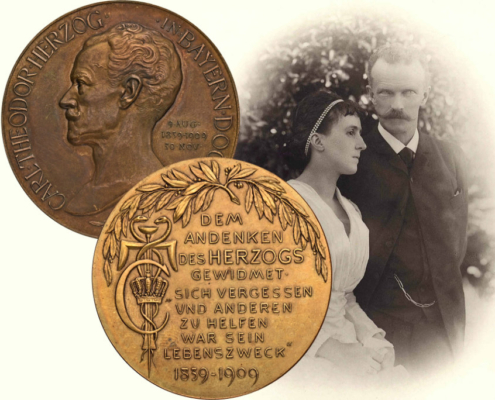 https://new.coinsweekly.com/wp-content/uploads/2024/10/2024KW42HA1_00.jpg
684
860
Lucie Loechel
https://new.coinsweekly.com/wp-content/uploads/2023/01/logo-coinsweekly_590x204.png
Lucie Loechel2024-10-17 10:51:292024-10-17 15:10:28Carl Theodor in Bavaria: The Old Nobility Takes Up a New Role
https://new.coinsweekly.com/wp-content/uploads/2024/10/2024KW42HA1_00.jpg
684
860
Lucie Loechel
https://new.coinsweekly.com/wp-content/uploads/2023/01/logo-coinsweekly_590x204.png
Lucie Loechel2024-10-17 10:51:292024-10-17 15:10:28Carl Theodor in Bavaria: The Old Nobility Takes Up a New Role
Take a Virtual Tour Through the ANA’s Americana Gallery
The Americana Gallery at the ANA Money Museum guides visitors through the history of money in the United States, with many rarities of American numismatics on display. Now, you can explore this exhibition from the comfort of your home, thanks to a newly launched virtual tour.
Meeting of the Oriental Numismatic Society 2024 in Tübingen
The annual international conference on Islamic numismatics will take place in Tübingen from May 4 to 5, 2024. The program tempts you to spend the first weekend in May in beautiful Tübingen!