








Archive: People and Markets

Tokyo Sets New Record for Lost Cash Handed In
If you loose your cash let’s hope it happens in Tokyo. Then chances are good you get it back. Maybe in no other city in the world people hand in so much lost cash to police. There are good reasons why they do it.
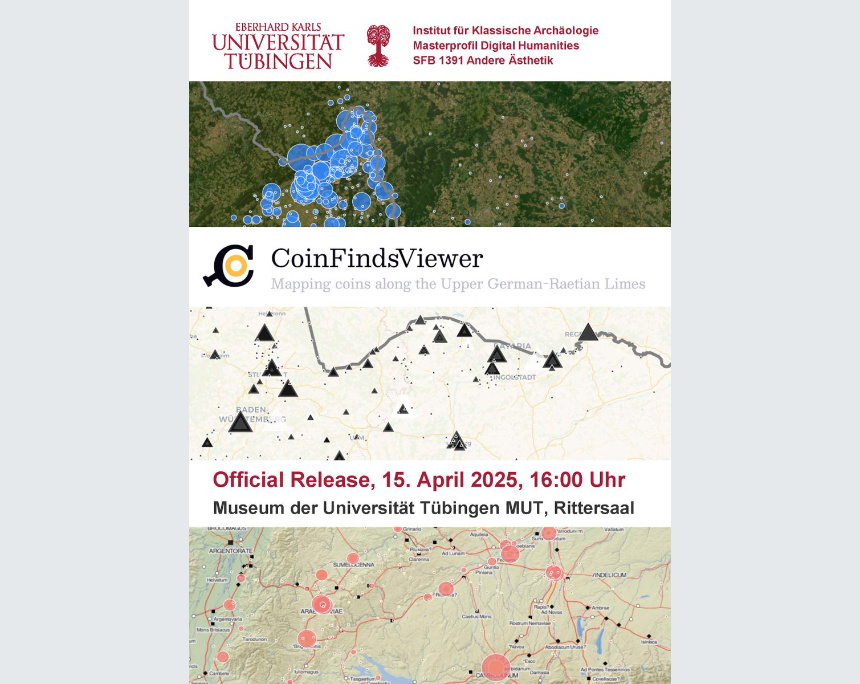
CoinFindsViewer – Roman Coin Finds in Southern Germany
Recently a new numismatic project went online: the CoinFindsViewer represents the first large-scale visualization of Roman coin find data in southern Germany. It enables users to interactively explore the dataset along the Roman frontier, the Limes, and its hinterland across various historical periods.
Archive: Coins, Medals and more
 https://new.coinsweekly.com/wp-content/uploads/2024/10/2024KW42HA1_00.jpg
684
860
Lucie Loechel
https://new.coinsweekly.com/wp-content/uploads/2023/01/logo-coinsweekly_590x204.png
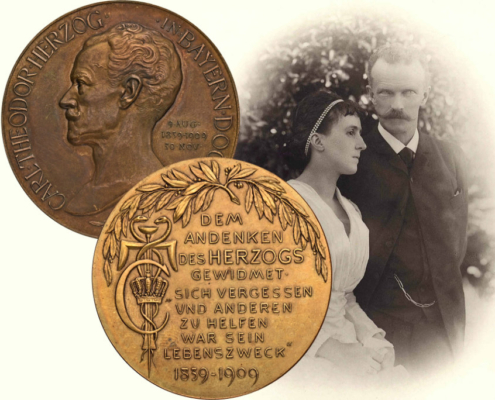
Lucie Loechel2024-10-17 10:51:292024-10-17 15:10:28Carl Theodor in Bavaria: The Old Nobility Takes Up a New Role
https://new.coinsweekly.com/wp-content/uploads/2024/10/2024KW42HA1_00.jpg
684
860
Lucie Loechel
https://new.coinsweekly.com/wp-content/uploads/2023/01/logo-coinsweekly_590x204.png
Lucie Loechel2024-10-17 10:51:292024-10-17 15:10:28Carl Theodor in Bavaria: The Old Nobility Takes Up a New Role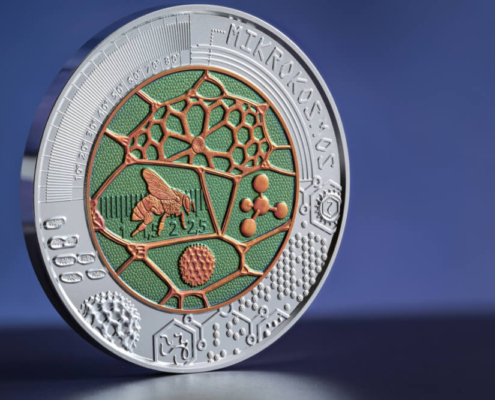 https://new.coinsweekly.com/wp-content/uploads/2023/06/00_shutterstock_1926678794-Kopie.jpg
667
1000
Bruno
https://new.coinsweekly.com/wp-content/uploads/2023/01/logo-coinsweekly_590x204.png
Bruno2022-06-13 11:36:162023-07-03 12:01:36Coloured Metal from Austria: Niobium Coins
https://new.coinsweekly.com/wp-content/uploads/2023/06/00_shutterstock_1926678794-Kopie.jpg
667
1000
Bruno
https://new.coinsweekly.com/wp-content/uploads/2023/01/logo-coinsweekly_590x204.png
Bruno2022-06-13 11:36:162023-07-03 12:01:36Coloured Metal from Austria: Niobium Coins
2022 Biggest Year for Treasure Finds in the UK
Earlier this year, the British Museum launched the latest Portable Antiquities Scheme (PAS) Annual Report. This showed that in 2022, over 50,000 archaeological finds were recorded, including 1,378 Treasure cases – the highest ever reported in a single year. See some of the highlights here.
New Swiss Silver Coin “Switzerland”
On 12 September 2024, the Federal Mint Swissmint will launch the 20-franc silver coin entitled “Switzerland” in honour of the country becoming a federal state in 1848. The limited-edition special coin will go on sale on Switzerland’s unofficial birthday.