






Archive: People and Markets
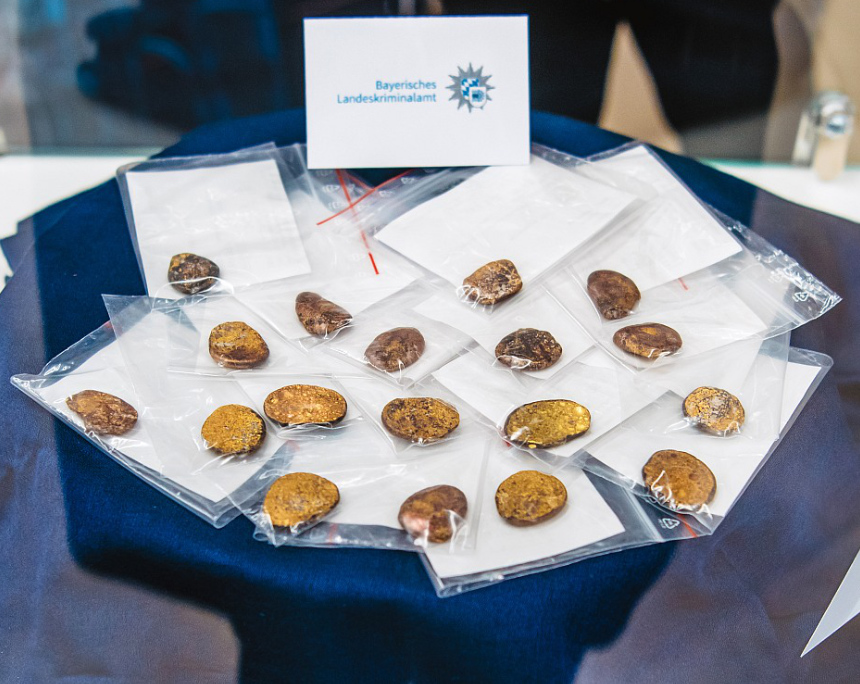
Perpetrators on Trial: An Update on the Manching Case
The news of the destruction of the Celtic coin hoard from Manching shook the numismatic world. The alleged perpetrators are now on trial. What is the current situation and is there still hope of recovering some of the coins intact?
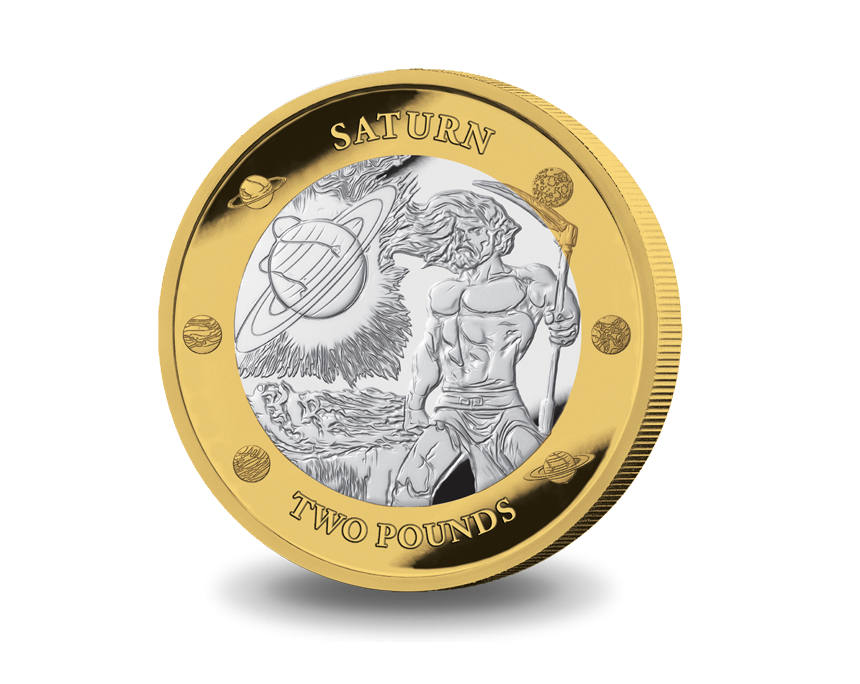
Pobjoy’s Glacier Series: Saturn
In 2023, Pobjoy Mint has started a six-coin series dedicated to the Antarctic glaciers. The fourth issue features the Saturn Glacier.
Archive: Coins, Medals and more
 https://new.coinsweekly.com/wp-content/uploads/2023/06/CoCo03_09.jpg
667
1000
Ursula Kampmann
https://new.coinsweekly.com/wp-content/uploads/2023/01/logo-coinsweekly_590x204.png
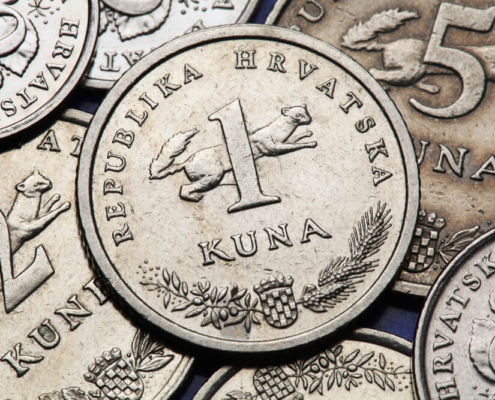
Ursula Kampmann2022-06-13 10:37:152023-06-27 10:39:21What Will Be Depicted on Croatia’s Euro Coins?
https://new.coinsweekly.com/wp-content/uploads/2023/06/CoCo03_09.jpg
667
1000
Ursula Kampmann
https://new.coinsweekly.com/wp-content/uploads/2023/01/logo-coinsweekly_590x204.png
Ursula Kampmann2022-06-13 10:37:152023-06-27 10:39:21What Will Be Depicted on Croatia’s Euro Coins?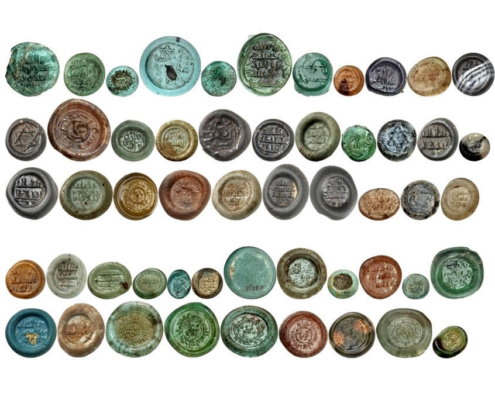 https://new.coinsweekly.com/wp-content/uploads/2024/11/2024KW47HA1_00.jpg
684
860
Lucie Loechel
https://new.coinsweekly.com/wp-content/uploads/2023/01/logo-coinsweekly_590x204.png
Lucie Loechel2024-11-21 10:15:332024-11-21 10:15:50Important Collection of Islamic Glass Weights at Numismatica Genevensis SA
https://new.coinsweekly.com/wp-content/uploads/2024/11/2024KW47HA1_00.jpg
684
860
Lucie Loechel
https://new.coinsweekly.com/wp-content/uploads/2023/01/logo-coinsweekly_590x204.png
Lucie Loechel2024-11-21 10:15:332024-11-21 10:15:50Important Collection of Islamic Glass Weights at Numismatica Genevensis SA
Theft at the Stockholm Royal Coin Cabinet
An audit at the Royal Coin Cabinet in Stockholm showed that a transferred 2.6 million euros worth of objects are missing. Now a former employee has to answer for theft.
Precious Metals Future Forum 2025: Between Geopolitical Uncertainty and Digital Transformation
The inaugural Precious Metals Future Forum in Frankfurt has highlighted how profoundly the precious metals industry is undergoing change – economically, geopolitically, and technologically.