






Archive: People and Markets
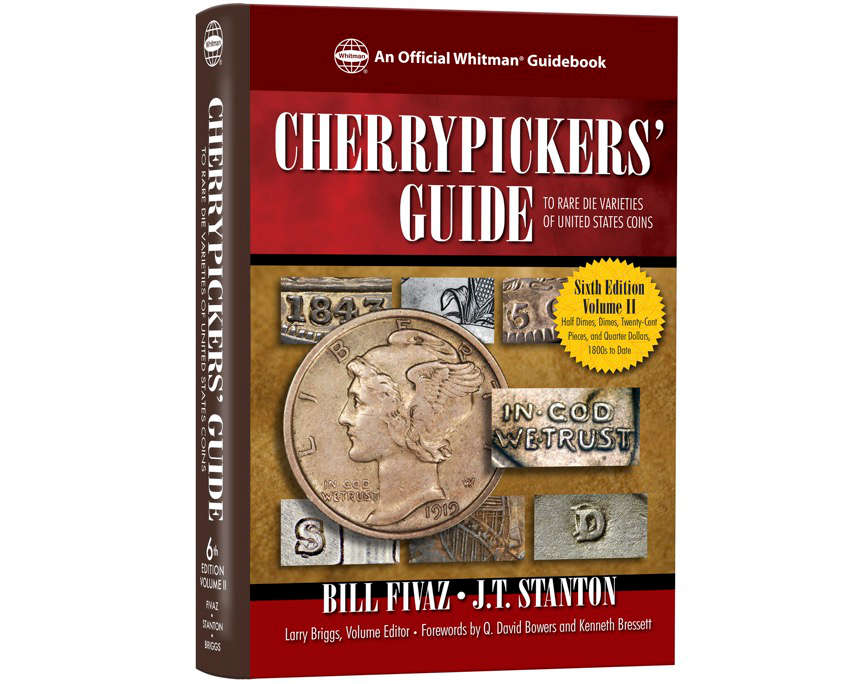
Cherrypickers’ Guide Sellout as a Sign of Strength for the Die-Variety Market?
A new edition of Cherrypickers’ Guide successfully debuted at the American Numismatic Association World’s Fair of Money in Pittsburgh. Whitman publisher Dennis Tucker explains the success of the new Cherrpickers’ Guide with a growing interest in die varieties. Some of his observations on the die-variety market.

Inclusive Numismatics Conference
This conference at the Bank of England is a space where women, people of colour, those from the LGBTQ+ community and anyone who has not yet found the right forum for their passion can feel included. Proposals for papers are still accepted.
Archive: Coins, Medals and more
 https://new.coinsweekly.com/wp-content/uploads/2024/09/2024KW37HA_00.jpg
684
860
Ursula Kampmann
https://new.coinsweekly.com/wp-content/uploads/2023/01/logo-coinsweekly_590x204.png
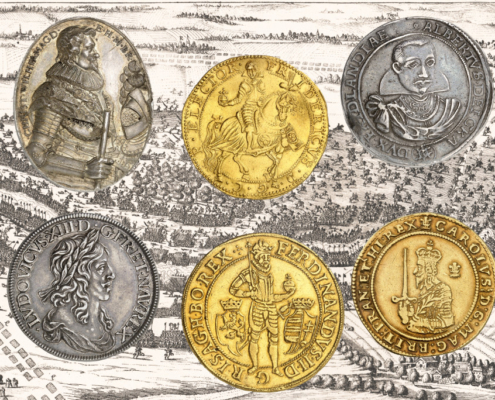
Ursula Kampmann2024-09-12 10:23:452024-09-12 10:23:45The Protagonists of the Thirty Years’ War: A Slightly Different Preview of Künker’s Auction 410
https://new.coinsweekly.com/wp-content/uploads/2024/09/2024KW37HA_00.jpg
684
860
Ursula Kampmann
https://new.coinsweekly.com/wp-content/uploads/2023/01/logo-coinsweekly_590x204.png
Ursula Kampmann2024-09-12 10:23:452024-09-12 10:23:45The Protagonists of the Thirty Years’ War: A Slightly Different Preview of Künker’s Auction 410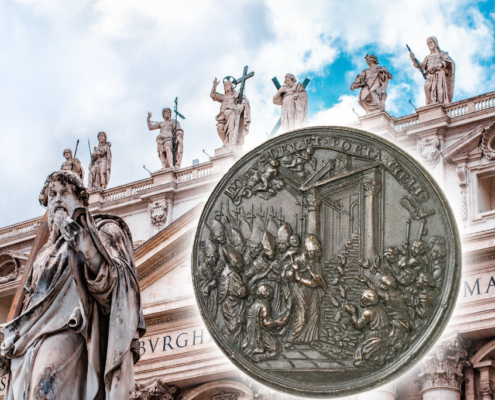 https://new.coinsweekly.com/wp-content/uploads/2024/03/2024KW10HA_00.jpg
684
860
Ursula Kampmann
https://new.coinsweekly.com/wp-content/uploads/2023/01/logo-coinsweekly_590x204.png
Ursula Kampmann2024-03-07 11:39:512024-03-07 14:21:30Coins and Medals of the Popes: Representatives of the Catholic Church
https://new.coinsweekly.com/wp-content/uploads/2024/03/2024KW10HA_00.jpg
684
860
Ursula Kampmann
https://new.coinsweekly.com/wp-content/uploads/2023/01/logo-coinsweekly_590x204.png
Ursula Kampmann2024-03-07 11:39:512024-03-07 14:21:30Coins and Medals of the Popes: Representatives of the Catholic Church
NYINC: The Favourite of All Those Who Love Ancient Coins
Why is the New York International Numismatic Convention the top place to go when it comes to ancient coins? Ursula Kampmann has the answer and explains what will be new and different in New York in 2024.
An Interview With Martin Hirsch
Martin Hirsch is the new Director of the Bavarian State Coin Collection. We talk with him about the exhibitions he has planned, the process of digitising the collection and why collecting is about much more than just ownership.