







Archive: People and Markets
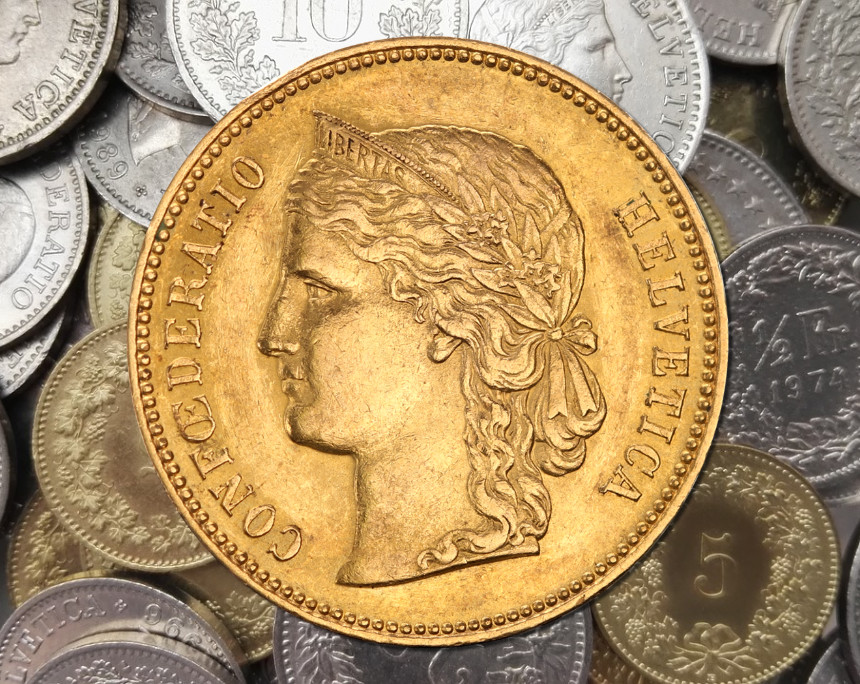
Gold Coins With Altered Years: Also a Known Problem in Switzerland
In one of our last issues, we published an article by NGC about a Prussian gold coin with an altered year. Switzerland is also very familiar with such forgeries, as Patrick Huber tells us.

Pobjoy’s Newest Egyptian Gods Coin Features Anubis
On the occasion of the 250th birthday of British Egyptologist Dr Thomas Young, Pobjoy released a brand-new silver coin featuring one of the most iconic gods of ancient Egypt: Anubis.
Archive: Coins, Medals and more
 https://new.coinsweekly.com/wp-content/uploads/2024/10/2024KW40HA1_00.jpg
684
860
Bruno
https://new.coinsweekly.com/wp-content/uploads/2023/01/logo-coinsweekly_590x204.png
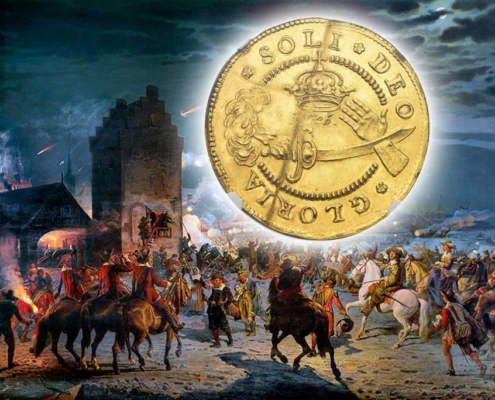
Bruno2024-10-02 13:27:042024-10-02 15:38:36Frederick III of Denmark and Eben Ezer
https://new.coinsweekly.com/wp-content/uploads/2024/10/2024KW40HA1_00.jpg
684
860
Bruno
https://new.coinsweekly.com/wp-content/uploads/2023/01/logo-coinsweekly_590x204.png
Bruno2024-10-02 13:27:042024-10-02 15:38:36Frederick III of Denmark and Eben Ezer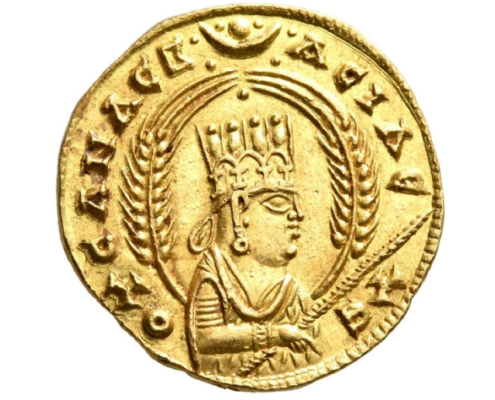 https://new.coinsweekly.com/wp-content/uploads/2023/10/2023KW41HA_00.jpg
684
860
Ursula Kampmann
https://new.coinsweekly.com/wp-content/uploads/2023/01/logo-coinsweekly_590x204.png
Ursula Kampmann2023-10-12 12:33:032023-10-12 14:04:09An Introduction to Axumite Coinage
https://new.coinsweekly.com/wp-content/uploads/2023/10/2023KW41HA_00.jpg
684
860
Ursula Kampmann
https://new.coinsweekly.com/wp-content/uploads/2023/01/logo-coinsweekly_590x204.png
Ursula Kampmann2023-10-12 12:33:032023-10-12 14:04:09An Introduction to Axumite Coinage
“Money Talks” – Understanding Leaders in the Collectibles Market
“Money Talks” is the new show of Stack’s Bowers Galleries proposing conversations with market makers and leaders within the world of rare collectibles and finance. Episode 3 features former CCG chairman Mark Salzberg. And season two is about to come.
Defamatory Attack on IADAA And Its Officers – a Response
A French newspaper article claims IADAA chairman Vincent Geerling to be involved in trafficking antiquities. A close look reveals a distortion of facts – or how the journalist and the authorities simply ignored them. With consequences not only for the accused.