











Archive: People and Markets
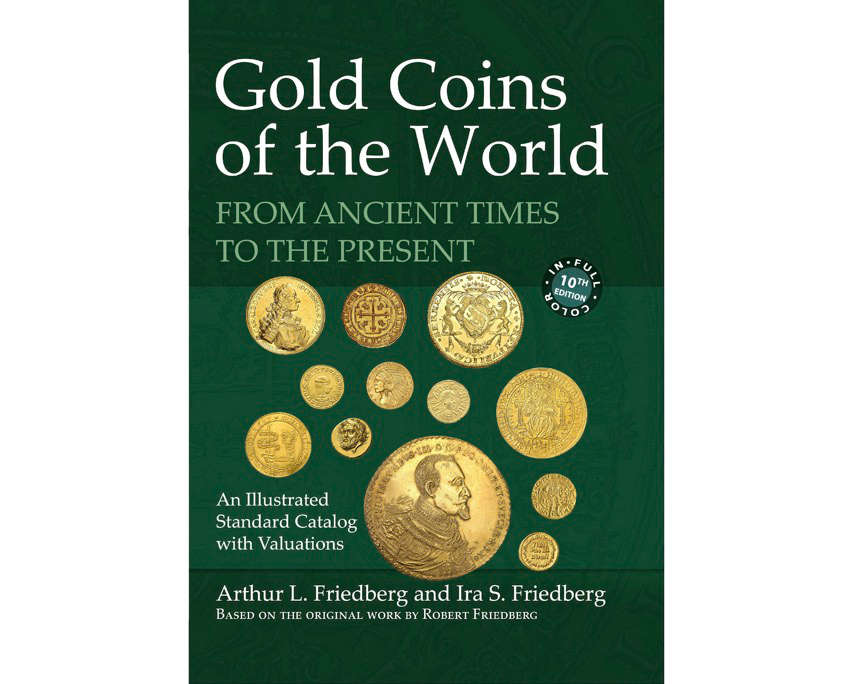
10th Edition of Friedberg’s Gold Coins of the World
You cannot do without this classic when it comes to identifying gold coins! Now, the 10th edition of Coins of the World has been published.
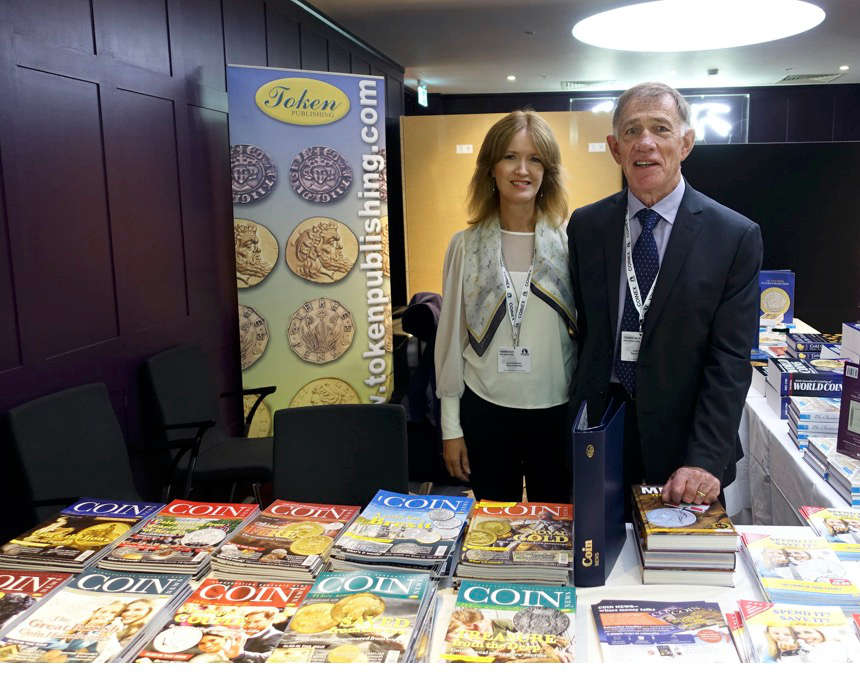
John Mussell 1942-2023
The founder of Token Publishing Ltd. died after a short illness at the age of 81. He made many friends in the numismatic world over the years. His wife Carol and his son Philip will carry on his legacy.
Archive: Coins, Medals and more
 https://new.coinsweekly.com/wp-content/uploads/2024/09/2024KW38HA_00.jpg
684
860
Ursula Kampmann
https://new.coinsweekly.com/wp-content/uploads/2023/01/logo-coinsweekly_590x204.png
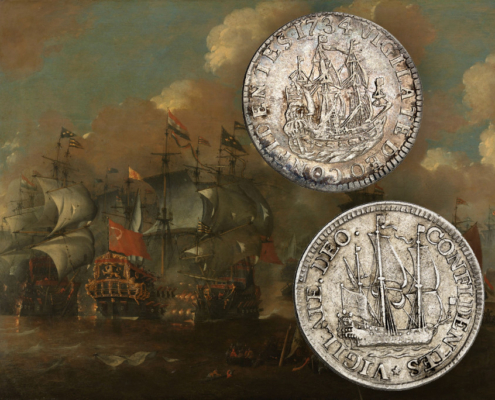
Ursula Kampmann2024-09-19 10:16:302024-09-19 11:07:49Bloody Flag and Scheepjesschelling
https://new.coinsweekly.com/wp-content/uploads/2024/09/2024KW38HA_00.jpg
684
860
Ursula Kampmann
https://new.coinsweekly.com/wp-content/uploads/2023/01/logo-coinsweekly_590x204.png
Ursula Kampmann2024-09-19 10:16:302024-09-19 11:07:49Bloody Flag and Scheepjesschelling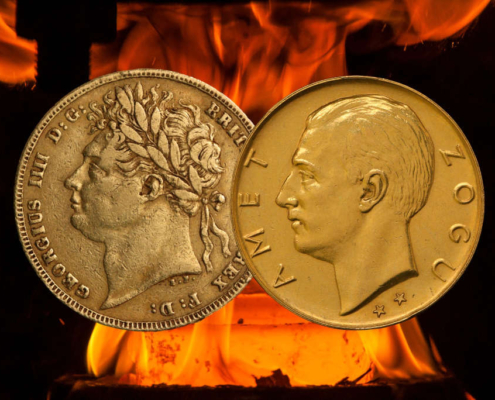 https://new.coinsweekly.com/wp-content/uploads/2024/07/2024KW30HA_00.jpg
684
860
Sebastian Wieschowski
https://new.coinsweekly.com/wp-content/uploads/2023/01/logo-coinsweekly_590x204.png
Sebastian Wieschowski2024-07-25 09:00:162024-07-25 09:26:11Gold at Record Highs: Melt Down or Preserve Historic Gold Coins?
https://new.coinsweekly.com/wp-content/uploads/2024/07/2024KW30HA_00.jpg
684
860
Sebastian Wieschowski
https://new.coinsweekly.com/wp-content/uploads/2023/01/logo-coinsweekly_590x204.png
Sebastian Wieschowski2024-07-25 09:00:162024-07-25 09:26:11Gold at Record Highs: Melt Down or Preserve Historic Gold Coins?
CIT’s Iron Maiden – Piece of Mind
Again CIT pays tribute to the British heavy metal band Iron Maiden. In 2023, CIT’s coin is dedicated to the band’s fourth studio album “Piece of Mind”.
The Numismatic Index numindex in November 2023 – Your Feedback Counts!
At the beginning of the year, numindex was launched as a kind of stock index for coins. In addition to regular updates, some helpful new features have since been introduced. Your opinion as a CoinsWeekly reader is now needed!