







Archive: People and Markets
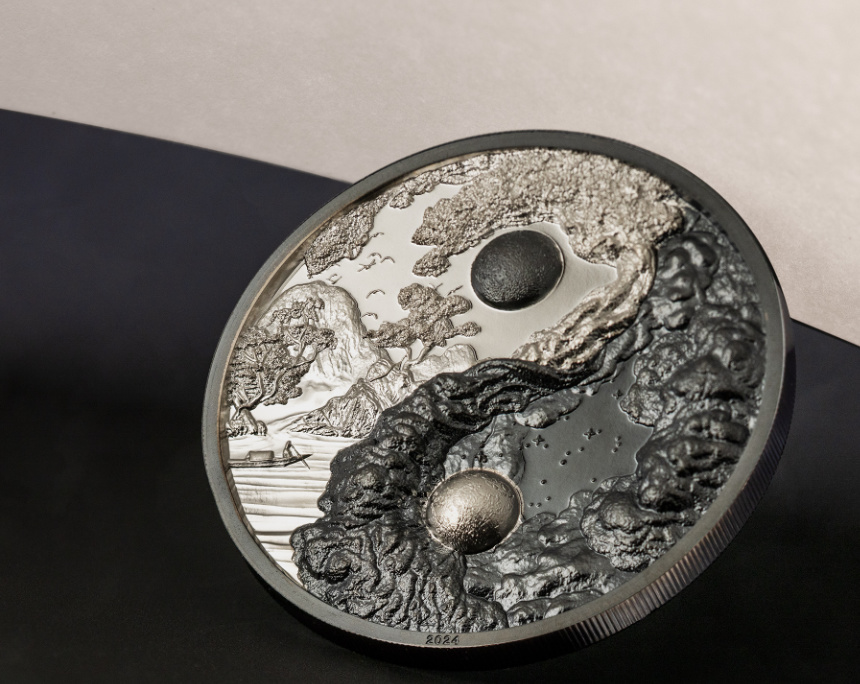
CIT’s Yin and Yang
With Yin and Yang, CIT presents a completely new interpretation of a time-honored theme. The piece owes its special aesthetics to the brilliant combination of Proof smartminting® and Black Proof smartminting®.
Important Volumes on Ancient Numismatics Will Soon Be Freely Available Online
A great piece of news: Over 6,000 volumes primarily on ancient numismatics from the S&S Library will be digitized and made available for everyone through the Newman Numismatic Portal.
Archive: Coins, Medals and more
 https://new.coinsweekly.com/wp-content/uploads/2025/02/2025KW09HA01_00.jpg
684
860
Lucie Loechel
https://new.coinsweekly.com/wp-content/uploads/2023/01/logo-coinsweekly_590x204.png
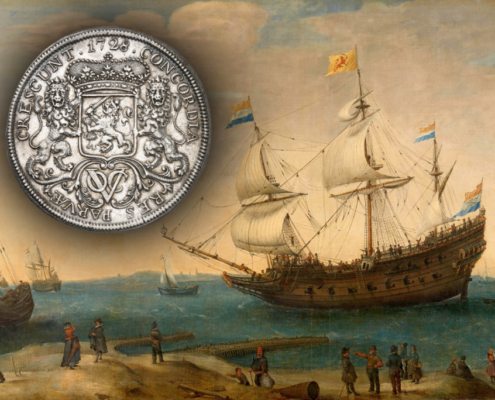
Lucie Loechel2025-02-27 10:27:202025-02-27 12:01:04VOC: The Other Side of the Dutch Golden Age
https://new.coinsweekly.com/wp-content/uploads/2025/02/2025KW09HA01_00.jpg
684
860
Lucie Loechel
https://new.coinsweekly.com/wp-content/uploads/2023/01/logo-coinsweekly_590x204.png
Lucie Loechel2025-02-27 10:27:202025-02-27 12:01:04VOC: The Other Side of the Dutch Golden Age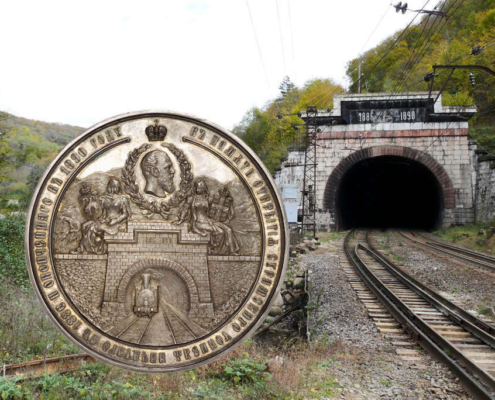 https://new.coinsweekly.com/wp-content/uploads/2024/06/2024KW23HA_00.jpg
684
860
Ursula Kampmann
https://new.coinsweekly.com/wp-content/uploads/2023/01/logo-coinsweekly_590x204.png
Ursula Kampmann2024-06-06 10:42:582024-06-06 12:38:59For Railroad Fans: The Suram Tunnel
https://new.coinsweekly.com/wp-content/uploads/2024/06/2024KW23HA_00.jpg
684
860
Ursula Kampmann
https://new.coinsweekly.com/wp-content/uploads/2023/01/logo-coinsweekly_590x204.png
Ursula Kampmann2024-06-06 10:42:582024-06-06 12:38:59For Railroad Fans: The Suram Tunnel
Bulgaria Will Adopt the Euro in 2026
The euro area is expanding: On June 4, 2025, the European Central Bank confirmed that Bulgaria meets the requirements for joining the eurozone. This clears the way for the introduction of the euro on January 1, 2026 – provided that preparations can be completed in time.
NUMMUS – Spain’s New Numismatic Society
In March 2024, a new numismatic association was created in Spain with a strong commitment to private collectors as agents of cultural generation and heritage conservation. Find out more about the aims of NUMMUS here.