






Archive: People and Markets

Joachim Stollhoff (18.7.1948-2.11.2024)
Claire Franklin-Werz also wrote an extensive obituary for her long-time friend and mentor Joachim Stollhoff.
A New Chapter: The Foundation of a New Auction House for Numismatic Literature
A new auction house enriches the numismatic landscape: the numismatic antiquarian bookshop Numismatisches Antiquariat Lang is an auction house specializing in numismatic literature.
Archive: Coins, Medals and more
 https://new.coinsweekly.com/wp-content/uploads/2024/05/2024KW18HA_00.jpg
684
860
Ursula Kampmann
https://new.coinsweekly.com/wp-content/uploads/2023/01/logo-coinsweekly_590x204.png
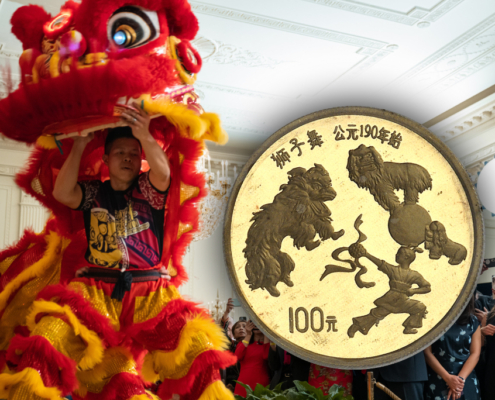
Ursula Kampmann2024-05-02 10:35:242024-05-02 10:35:24100 Yuan Lion Dance 1995: One of the Rarest Chinese Coins of Our Age
https://new.coinsweekly.com/wp-content/uploads/2024/05/2024KW18HA_00.jpg
684
860
Ursula Kampmann
https://new.coinsweekly.com/wp-content/uploads/2023/01/logo-coinsweekly_590x204.png
Ursula Kampmann2024-05-02 10:35:242024-05-02 10:35:24100 Yuan Lion Dance 1995: One of the Rarest Chinese Coins of Our Age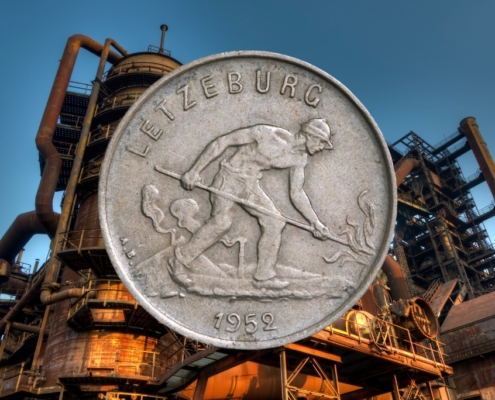 https://new.coinsweekly.com/wp-content/uploads/2024/02/2024KW09aHauptartikel_00.jpg
684
860
Ursula Kampmann
https://new.coinsweekly.com/wp-content/uploads/2023/01/logo-coinsweekly_590x204.png
Ursula Kampmann2024-02-29 09:19:272024-02-29 14:11:43A Coin on a Coin: Luxembourg to Resurrect the “Feierstëppler”
https://new.coinsweekly.com/wp-content/uploads/2024/02/2024KW09aHauptartikel_00.jpg
684
860
Ursula Kampmann
https://new.coinsweekly.com/wp-content/uploads/2023/01/logo-coinsweekly_590x204.png
Ursula Kampmann2024-02-29 09:19:272024-02-29 14:11:43A Coin on a Coin: Luxembourg to Resurrect the “Feierstëppler”
Swedish Economy Museum Reopened
Ever since the Swedish “Economy Museum – Royal Coin Cabinet” moved to a new location in 2019, there have only been special exhibitions on display. Now, the two permanent exhibitions on the topics of money and the economy were finally opened.
Hadrian, the Traveling Emperor– Our CoinsWeekly NYINC Special Issue
Few emperors seem as likeable as Hadrian, an emperor from the provinces for the provinces, who was very different from all his predecessors. Learn more about Hadrian and his coinage in our new CoinsWeekly Special Issue for NYINC 2025. Now available as a free download!