






Archive: People and Markets
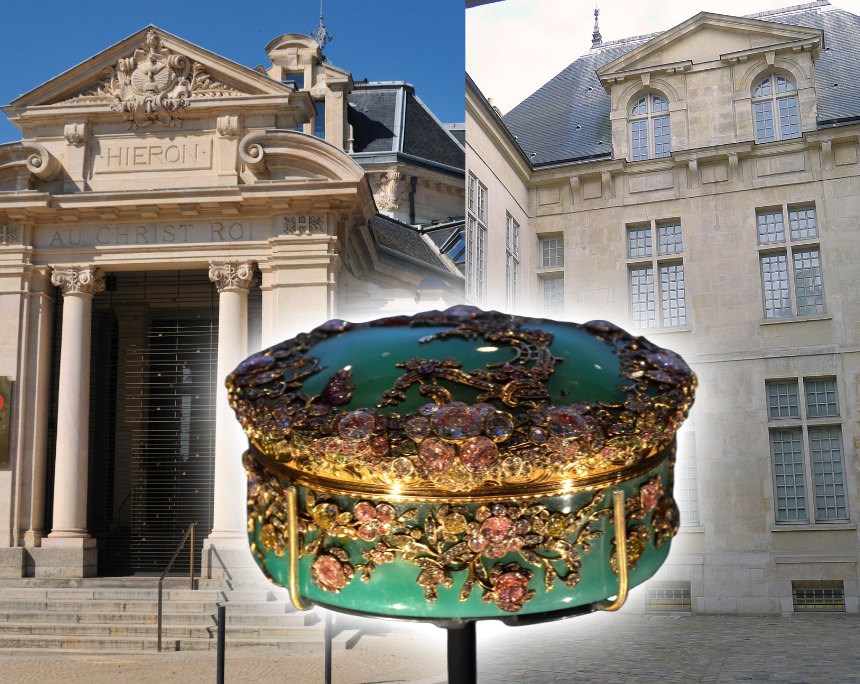
Two Robberies in Two Days – French Museums Targeted by Criminals
Last week, two museums in France were robbed. The museums were helpless in the face of the criminals’ ruthless brutality. Is it even possible to protect our cultural heritage in this day and age?
NGC and PMG at the New Numismatic Event in Madrid
Representatives of NGC and PMG will accept submissions, answer questions and provide information about the companies’ services at the new Evento Numismático Internacional Madrid.
Archive: Coins, Medals and more
 https://new.coinsweekly.com/wp-content/uploads/2023/07/2023KW30HA_00.jpg
684
860
Ursula Kampmann
https://new.coinsweekly.com/wp-content/uploads/2023/01/logo-coinsweekly_590x204.png
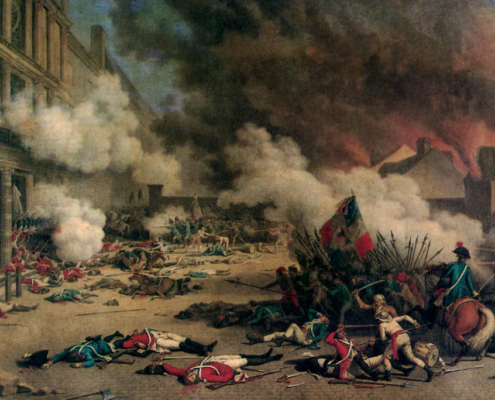
Ursula Kampmann2023-07-27 09:11:342023-07-27 09:11:34French History in Coins – Part 1: Kings, Consuls and Emperors
https://new.coinsweekly.com/wp-content/uploads/2023/07/2023KW30HA_00.jpg
684
860
Ursula Kampmann
https://new.coinsweekly.com/wp-content/uploads/2023/01/logo-coinsweekly_590x204.png
Ursula Kampmann2023-07-27 09:11:342023-07-27 09:11:34French History in Coins – Part 1: Kings, Consuls and Emperors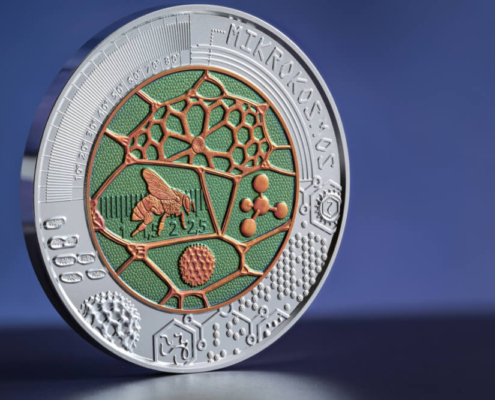 https://new.coinsweekly.com/wp-content/uploads/2023/06/00_shutterstock_1926678794-Kopie.jpg
667
1000
Bruno
https://new.coinsweekly.com/wp-content/uploads/2023/01/logo-coinsweekly_590x204.png
Bruno2022-06-13 11:36:162023-07-03 12:01:36Coloured Metal from Austria: Niobium Coins
https://new.coinsweekly.com/wp-content/uploads/2023/06/00_shutterstock_1926678794-Kopie.jpg
667
1000
Bruno
https://new.coinsweekly.com/wp-content/uploads/2023/01/logo-coinsweekly_590x204.png
Bruno2022-06-13 11:36:162023-07-03 12:01:36Coloured Metal from Austria: Niobium Coins
Eisleben, Germany: Church Treasure Recovered After Almost 400 Years
What a find: last year, a hoard of 864 coins was discovered in a sandstone figure in a church in Eisleben, Germany. The coins were hidden there during the Thirty Years’ War and provide a rare insight into the currency in circulation at that time. A coin expert from the region tells us more about it.
CoinsWeekly’s Numismatic Directory
CoinsWeekly is launching a new feature: CoinsWeekly’s Numismatic Directory presents all the places in the world that are of interest to coin enthusiasts. Use our Numismatic Directory and help us to turn it into a digital atlas of our numismatic world!