







Archive: People and Markets
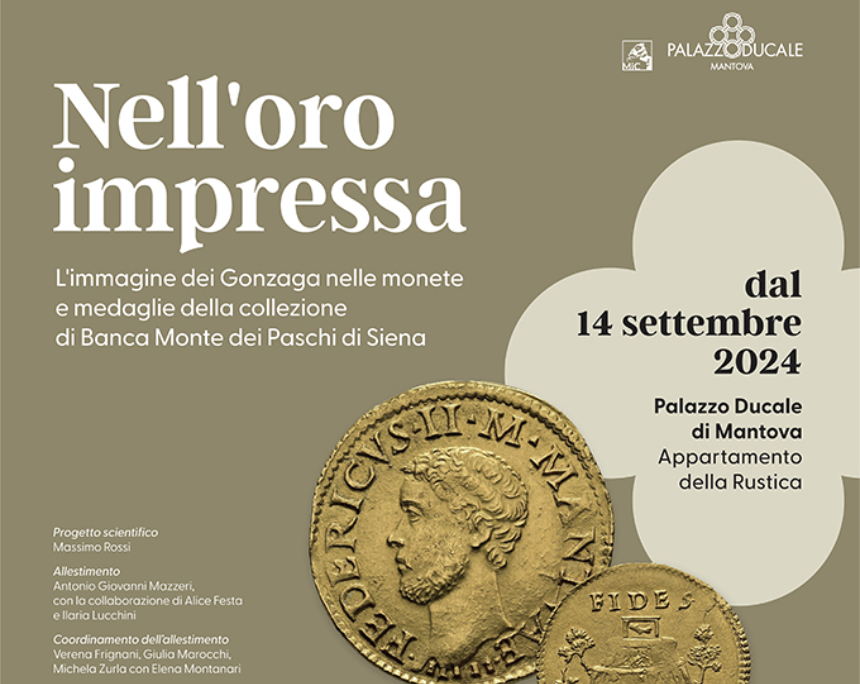
New Permanent Coin Exhibition at the Ducal Palace of Mantua
The most comprehensive collection of Mantua and Gonzaga coins and medals is now on long-term display at the Ducal Palace of Mantua. The exhibition is curated by numismatist Massimo Rossi.
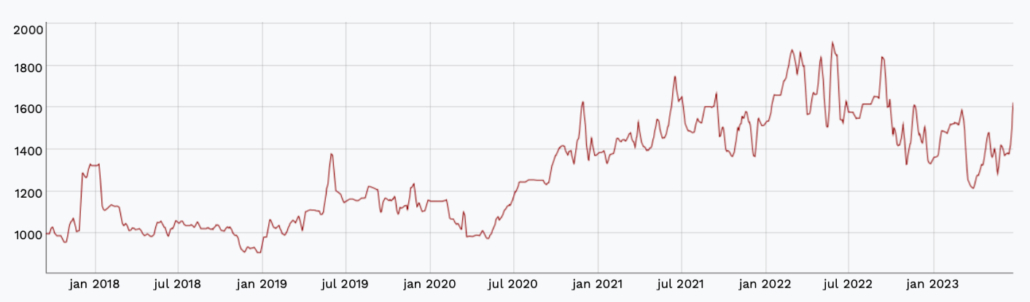
The Numismatic Index on 25 June 2023
The numismatic index numindex transparently shows how the prices of selected coins change over time. In the style of a stock index, it was designed for collectors who consider their collection an investment. Find out about the current state of the index.
Archive: Coins, Medals and more
 https://new.coinsweekly.com/wp-content/uploads/2024/11/2024KW45HA2_00.jpg
684
860
Bruno
https://new.coinsweekly.com/wp-content/uploads/2023/01/logo-coinsweekly_590x204.png
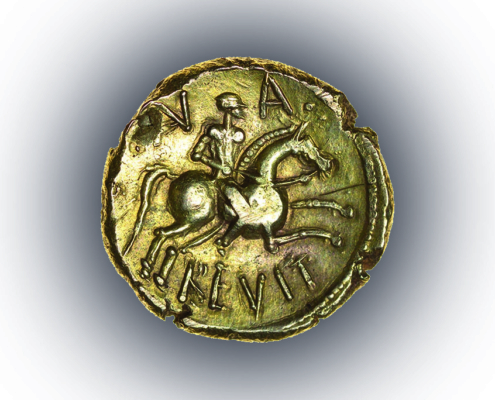
Bruno2024-11-07 07:54:412024-11-07 13:16:47Was Anarevito a Slave Trader?
https://new.coinsweekly.com/wp-content/uploads/2024/11/2024KW45HA2_00.jpg
684
860
Bruno
https://new.coinsweekly.com/wp-content/uploads/2023/01/logo-coinsweekly_590x204.png
Bruno2024-11-07 07:54:412024-11-07 13:16:47Was Anarevito a Slave Trader?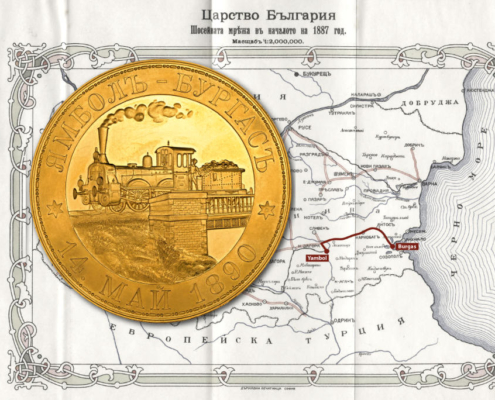 https://new.coinsweekly.com/wp-content/uploads/2023/10/2023KW43HA_00.jpg
684
860
Ursula Kampmann
https://new.coinsweekly.com/wp-content/uploads/2023/01/logo-coinsweekly_590x204.png
Ursula Kampmann2023-10-26 09:05:112023-10-26 11:52:11Bulgaria, Prince Ferdinand I and the Railroad
https://new.coinsweekly.com/wp-content/uploads/2023/10/2023KW43HA_00.jpg
684
860
Ursula Kampmann
https://new.coinsweekly.com/wp-content/uploads/2023/01/logo-coinsweekly_590x204.png
Ursula Kampmann2023-10-26 09:05:112023-10-26 11:52:11Bulgaria, Prince Ferdinand I and the Railroad
Wolfgang Steguweit Receives the Federal Cross of Merit
The renowned numismatist Wolfgang Steguweit has been awarded the Order of Merit of the Federal Republic of Germany. The German President has thus honoured Steguweit’s cultural achievements – and not only in the field of numismatics.
Will Germany Abolish the 1 and 2 Cent Coins?
We Germans still like to pay with cash, but like in many other countries, the 1 and 2 cent coins are unpopular. The important National Cash Forum has now spoken out in favor of their de facto abolition. Read here how cash transactions would change in practice.