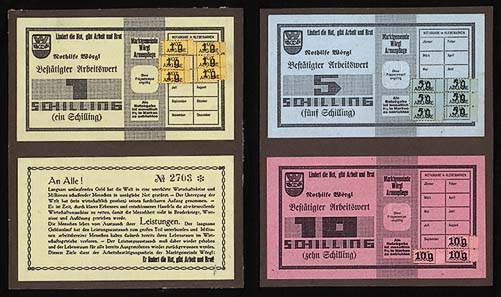
The house of Hohenems and his bishops
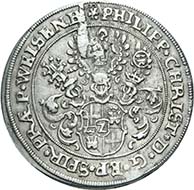
The masters of Hohenems owed their rise to become the most important noble family in Vorarlberg to their loyalty to the House of Habsburg. Two family members …
2. Wolf Dietrich of Raitenau
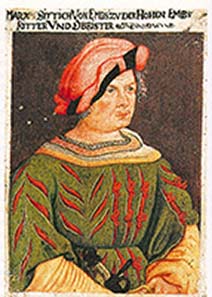
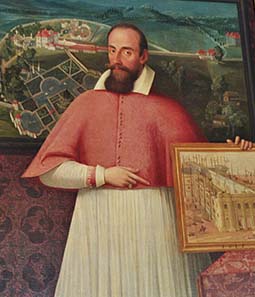
In 1558, Helena, the sister of Cardinal and Bishop of Constance Marcus Sitticus of Hohenems, married Hans Werner III of Raitenau. On March 26th, 1559, at the Hofen Castle near Bregenz, she presented …
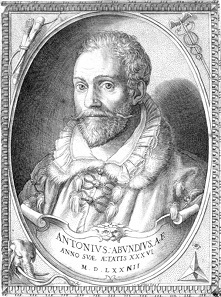
Antonio Abondio made a career for himself as an artist in 16th century Vienna and Prague. The Italian medalist created portraits of powerful people, even the emperor, and influenced colleagues in all of Europe. Sincona offers in its next sale several of Abondio’s works.
How the mint workers in Vienna were saved from the plague epidemic of 1679…
The city of Hall is always worth a visit, not only because of its interesting museum on minting technology in the mint tower. Near the parish church, too, a numismatic treasure can be found…
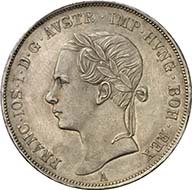
Künker offers a comprehensive selection of coins of Emperor Franz Joseph on September 28, 2011 in sale 195. This is a splendid opportunity to recall the impact of the Vienna Coinage Contract of 1857 on the Austrian currency…
Habsburg coins having been minted in the Prague Mint is something we very much take for granted. In its Auction 285, to be held on 2 February 2017, the auction house Künker offers an entire series of these. But it was anything but ordained by God that Bohemia became subject to the rule of the House of Habsburg.
There are two nations who both raise a claim to the Prince’s Stone as part of their cultural heritage: Slovenia and Carinthia. This story is a splendid topic for debate that has also manifested itself in numismatics.
On June 20, 2011, Künker’s will auction a thaler of Christoph of Soetern of utmost rarity struck in honor of Udenheim. The coin was issued just after the fortress had been completed, only some weeks before it was renamed in Philippsburg. Here’s the story about the man, the coin and the fortress…
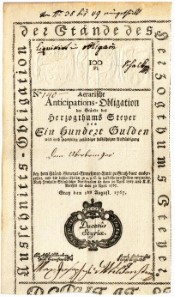
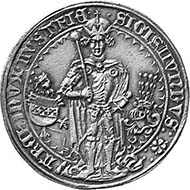
The date was February 7th, 1496. Columbus hadn’t returned from his second journey yet, in the realm of the Holy Roman Empire everyone was upset about general taxation which had been decided at the diet at Worms one year ago, and the Syphilis which had been introduced from America spread all over Europe. Much happened those days indeed; and in a secluded chamber in the Innsbruck Residence a lonely man laid dying.
We are the bridge connecting the international numismatic world. Our readers include collectors, professional coin dealers and researchers, as well as all those involved in coin production. We are read in 170 countries! We provide you with information on everything you want to know about the subject of money – from antiquity to the present day. And much more...
Follow us
You need to load content from reCAPTCHA to submit the form. Please note that doing so will share data with third-party providers.
More InformationYou are currently viewing a placeholder content from Facebook. To access the actual content, click the button below. Please note that doing so will share data with third-party providers.
More InformationYou are currently viewing a placeholder content from Instagram. To access the actual content, click the button below. Please note that doing so will share data with third-party providers.
More InformationYou are currently viewing a placeholder content from X. To access the actual content, click the button below. Please note that doing so will share data with third-party providers.
More Information