




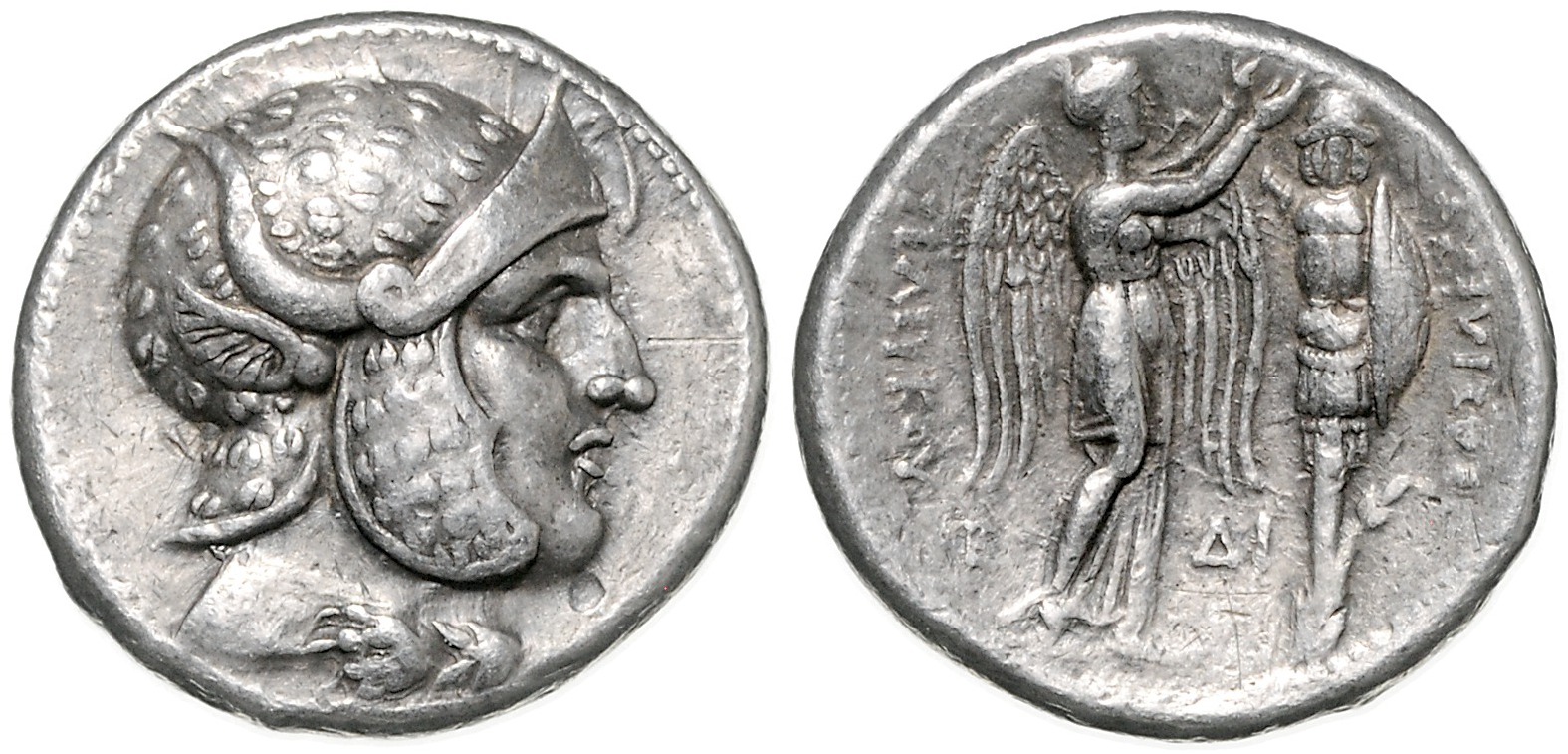
Seleucus I Nicator (312–280 BC),
AR tetradrachm, Susa.
Condition: beautiful patina, near ef.
Video highlight: Watch now!
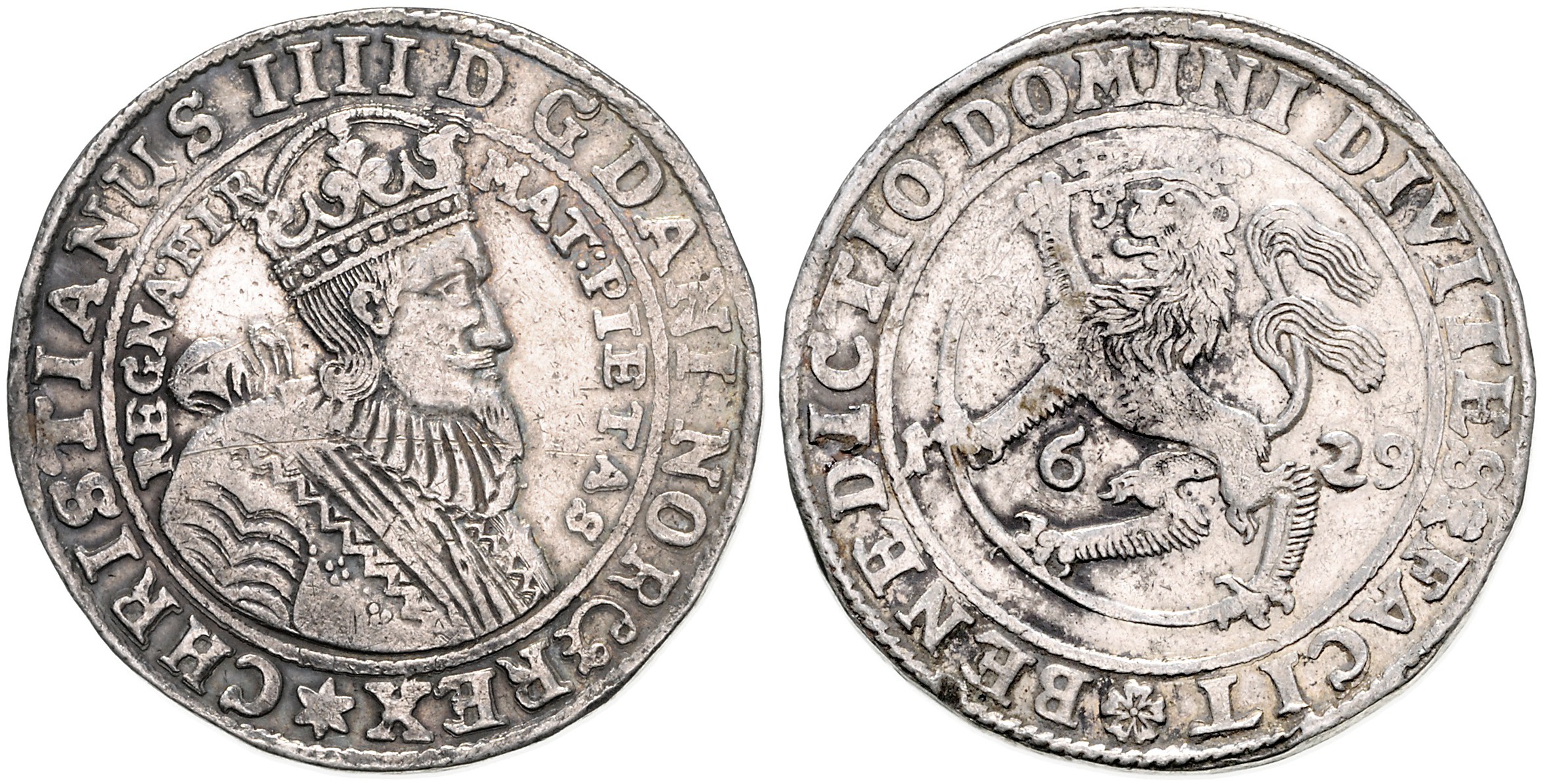
Christian IV (1588–1648),
Speciedaler 1635, Christiana (Oslo).
Condition: rare, vf+ .
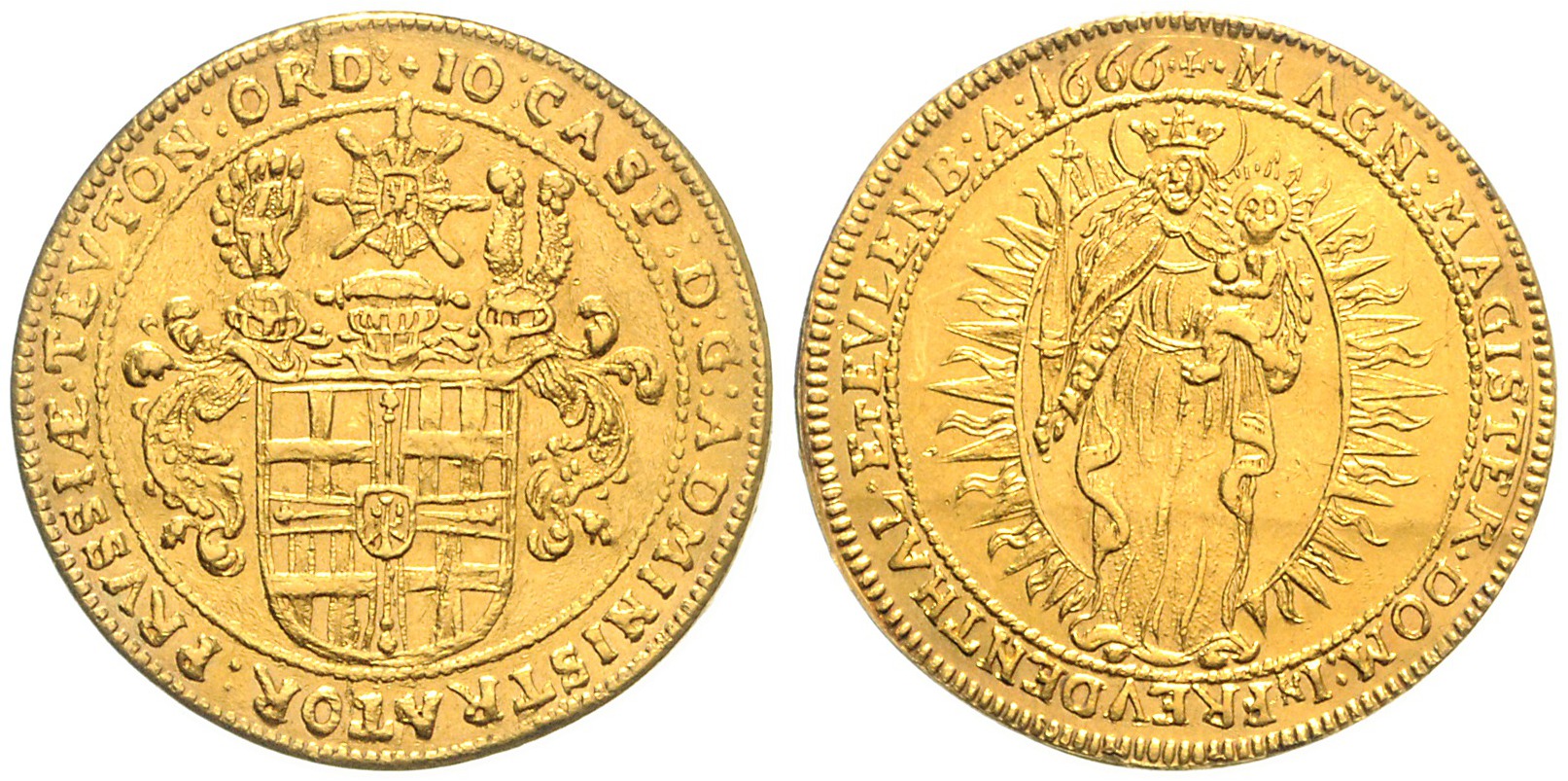
Johann Kaspar (1664–1684),
double ducat 1666.
Condition: rare, ef.
Video highlight: Watch now!
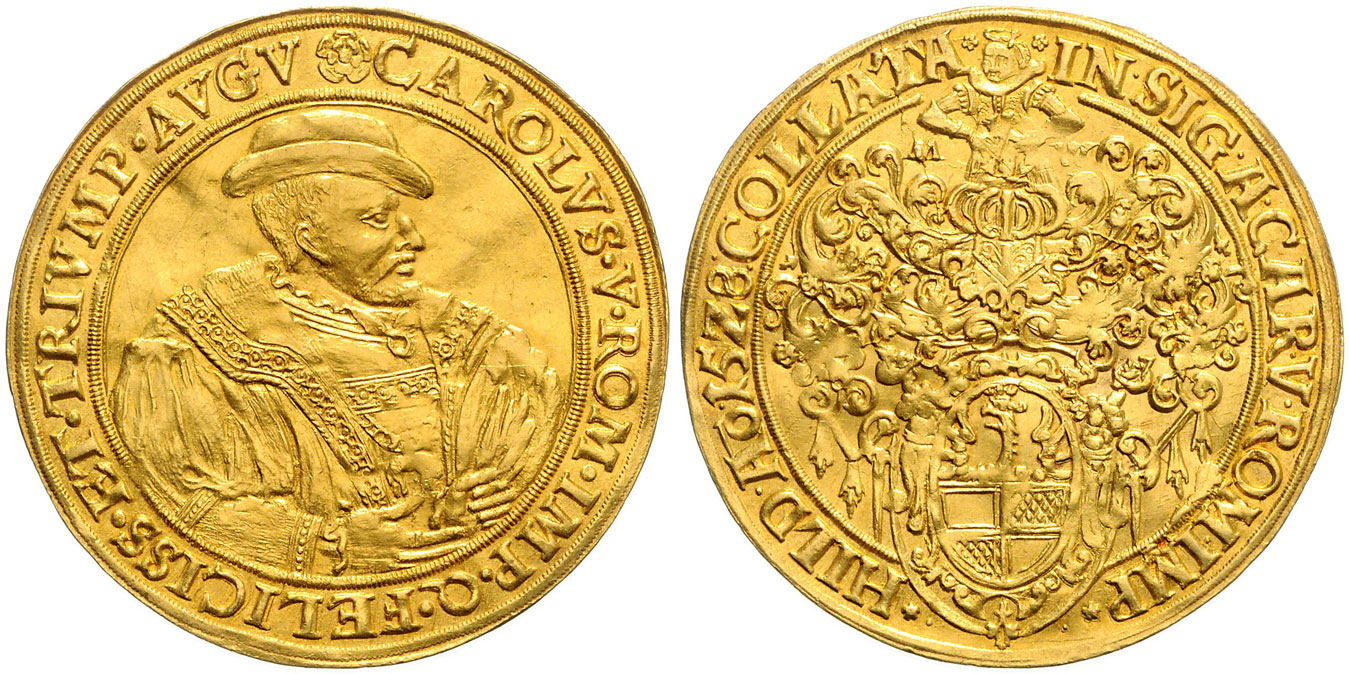
5 gold guilders, 1528 (minted 1614–1620),
bearing the title of Charles V.
Condition: slightly worked, ef.
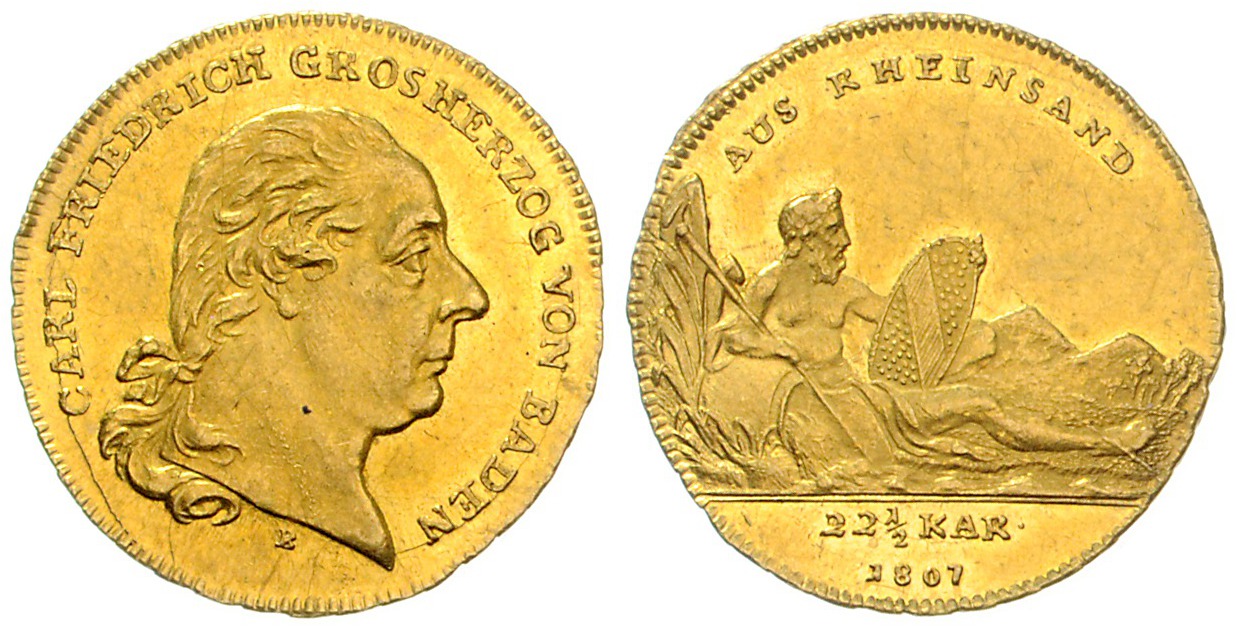
Carl Friedrich (1806–1811),
Rhine gold ducat 1807.
Condition: rare, near ef/ef.
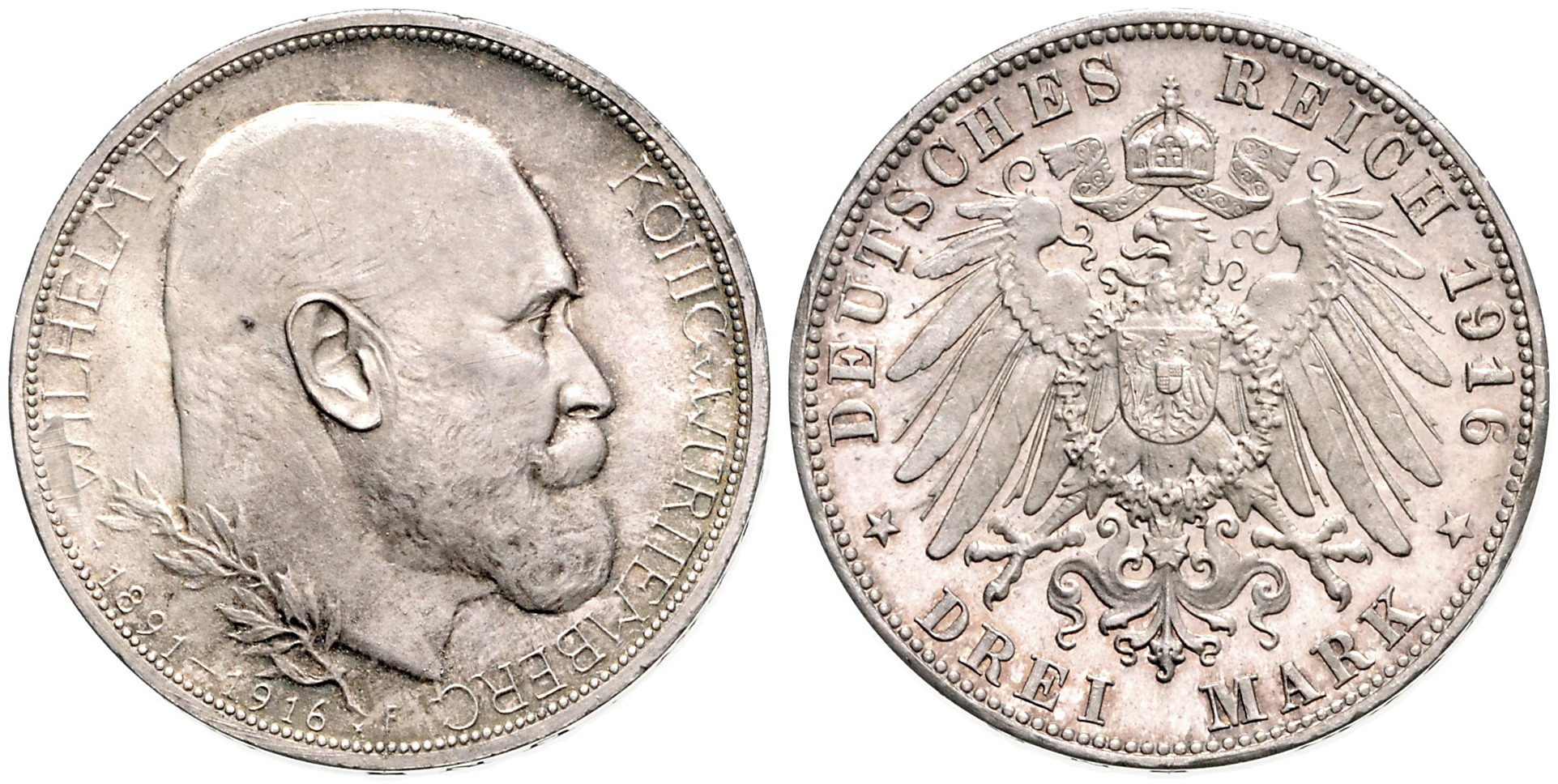
Wilhelm II. (1891-1918),
3 Mark 1916 F.
Condition: first strike
Video highlight: Watch now!
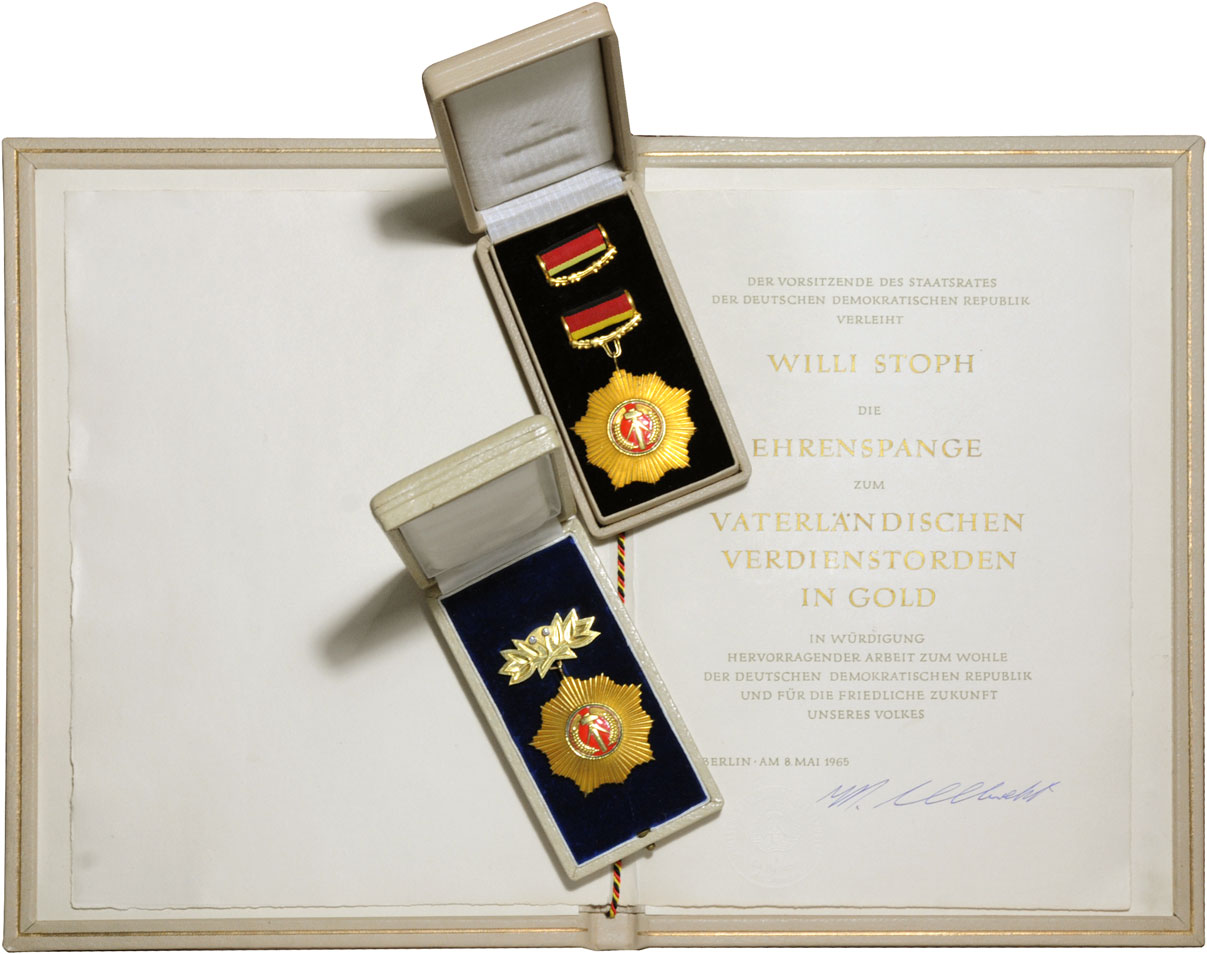
Collection from the estate of
Willi Stoph (SED official).
Set of decorations, including a certificate and
a charcoal drawing.
Condition: very rare, ef.
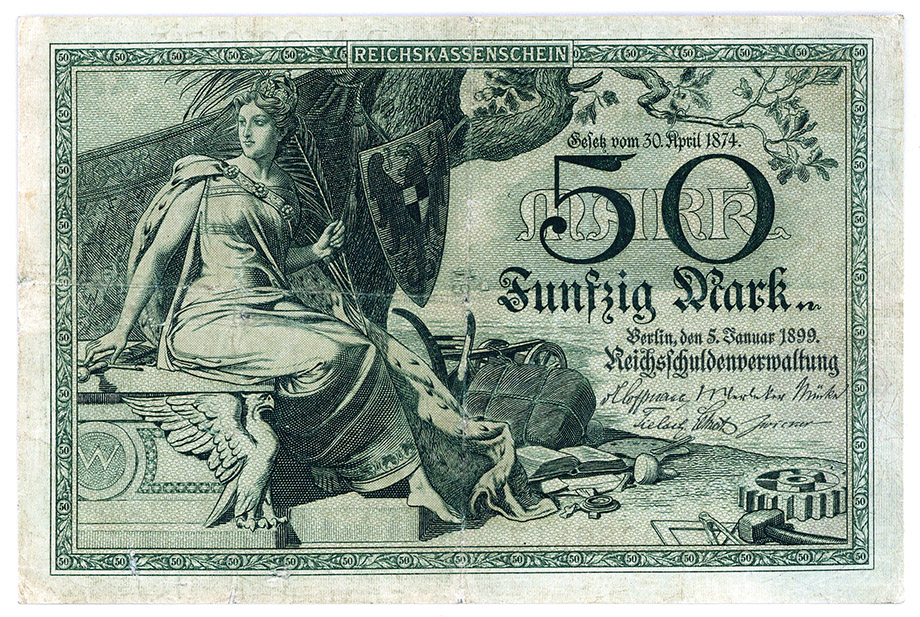
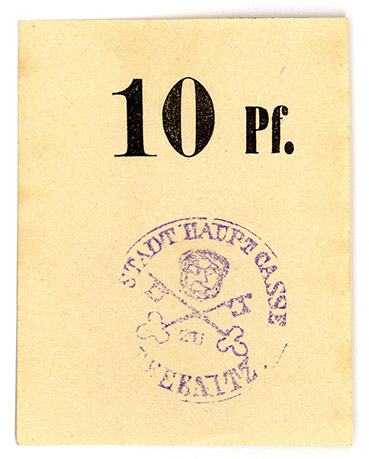
50 Marks,
January 5, 1899.
Condition: very rare, III-/IV+.
Access to Cash Becoming More Difficult: Bundesbank Sees Growing Challenges
By Sebastian Wieschowski
The number of citizens who report increased effort in accessing cash is rising. A consistently good availability is “no longer a given,” according to the central bank’s analysis.
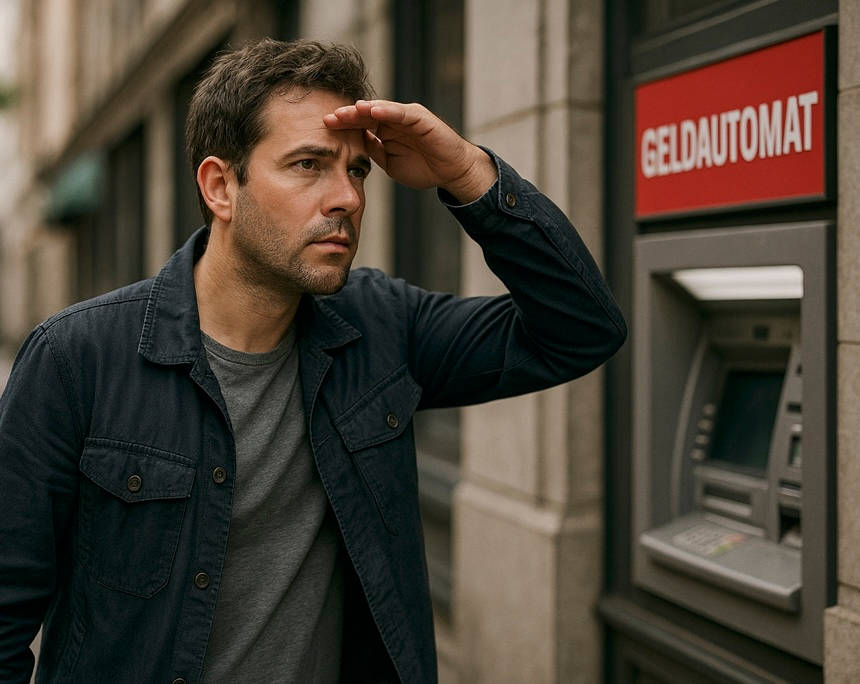
No ATM in Sight: More than three million German citizens must travel to a neighbouring municipality to withdraw cash.
The number of physical banking service providers in Germany has been falling for years. The number of bank branches has more than halved, from around 53,000 in 2002 to just 21,000 in 2023. The number of ATMs is also declining: after peaking at about 59,000 devices in 2018, the figure has dropped to around 51,000. The Bundesbank cites cost pressures in the banking sector, the increasing use of online banking, and a rising number of ATM explosions as key reasons.
Despite these developments, according to the Bundesbank, around 95.7 per cent of the population – equivalent to roughly 80.7 million people – still have access to cash within the borders of their own municipality. However, 3.6 million people must already travel to a neighbouring municipality. In rural regions in particular, the distance is longer: while urban residents need to travel only 1.1 kilometres on average to the nearest ATM or counter, the figure is 1.9 kilometres in the countryside.
Access to Cash “Fairly Difficult”
The perception of citizens is worrying: more and more people consider access to cash to be problematic. The share of respondents who perceive it as “fairly difficult” or “very difficult” rose from 6 per cent in 2021 to 15 per cent in 2023 – more than doubling.
An alternative means of access is now available through so-called cashback at retail outlets. At more than 31,000 locations, consumers can withdraw cash at the checkout when shopping. While the Bundesbank describes this offer as “sensible”, it emphasises that it is not a full substitute for cash services provided by banks. Only credit institutions can circulate fresh banknotes and coins.
Moreover, cashback services come with limitations regarding opening hours, available amounts, and denominations. On average, consumers must travel 1.7 kilometres to access such a service. The Bundesbank urges against further thinning out of the cash infrastructure – it is a key element of basic financial services.