







IAPN Asks Collectors to Help Protect Roman Coin Collecting
by Peter Tompa, IAPN Executive Director
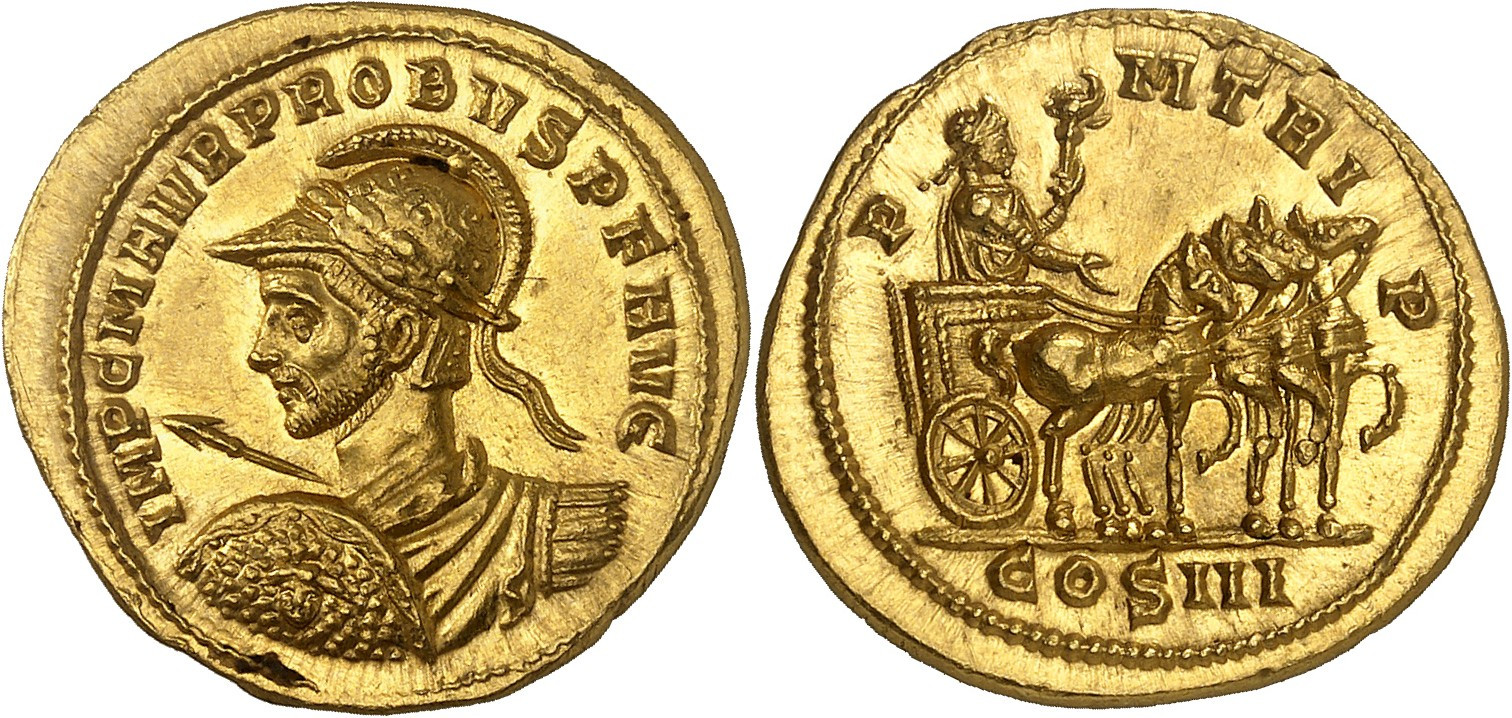
The US State Department has announced a proposed renewal of a cultural property Memorandum of Understanding (MOU) with the Republic of Italy. There is a danger that this will provide an excuse for US import restrictions implementing that MOU to be expanded to include late Roman Republican and Roman Imperial Coins.
Content

Import restrictions could make it far more difficult to import such coins from legitimate markets in Europe like those in the United Kingdom, Germany and Switzerland.
Why? Because they would give US Customs the authority to assume that any late Roman Republican or Roman Imperial coins with a country of origin/manufacture of Italy (i.e., Rome and other late Imperial mints of Aquileia, Mediolanum, Ostia, Ravenna, and Ticinum) are the “cultural property” of the modern Republic of Italy.
US Customs could then demand that the importer “prove” that such coins were out of Italy before the effective date of any governing regulations, which can be difficult to do for many coins, particularly low value ones like most Roman coins.
And if you can’t provide this information? The coin(s) could be detained, seized and “repatriated” to the Italian government.
What Can You Do?
What can you do? Go to https://www.regulations.gov/, search for dos-2024-0048, and then click the blue “comment now” button. Or try this direct link to the dos-2024-0048 and this one to the comment section of dos-2024-0048.
What Can You Say?
What can you say? Your own comments focusing on how import restrictions might make it more difficult to purchase coins to appreciate ancient history and culture are the best, but here is a short model for you to use for your own comments:
Please reject any effort to expand current restrictions to include Roman coins. The Coin Hoards of the Roman Empire database lists over 6 million such coins. See https://chre.ashmus.ox.ac.uk/. Roman coins circulated from the UK to Sri Lanka so it is improper to assume any one individual coin is Italian Cultural Property. Import restrictions would damage my ability to learn more about ancient history and negatively impact my own interactions with other collectors, especially those in Europe where collecting Roman coins is particularly popular.
Comments Must Be Made on or Before January 27, 2025. You do not have to be a US Citizen to comment. On the contrary, Peter Tompa thinks that it could help if the US government received feedback from collectors and dealers in Italy and other affected countries.
Comments by the IAPN on Different MOUs
The International Association of Professional Numismatists has asked the US State Department Cultural Property Advisory Committee (CPAC) to advocate ending or limiting damaging embargoes imposed on collector’s coins openly and legally sold abroad, particularly in legitimate markets in Europe. The comments on the proposed renewal of a Cultural Property Memorandum of Understanding (MOU) with the Republic of Italy also specifically asks that any extension not be used as an excuse to impose new import restrictions on widely circulating and collected late Roman Republican or Roman Imperial coins. These comments can be found here:
Proposed Renewal of the current MOU with the Republic of Italy.
Proposed New MOU with the Socialist Republic of Vietnam.
Proposed Renewal of the current MOU with the Republic of Chile.
Proposed Renewal of the current MOU with Kingdom of Morocco.
Peter Tompa released a more detailed post on this topic on the Cultural Property Observer Blog.
Find out more about Peter Tompa in our Who is Who.
Contact IAPN’s Executive Director, Peter Tompa, at pkt@pktcounsel.com
Click here for more about the International Association of Professional Numismatists.
