







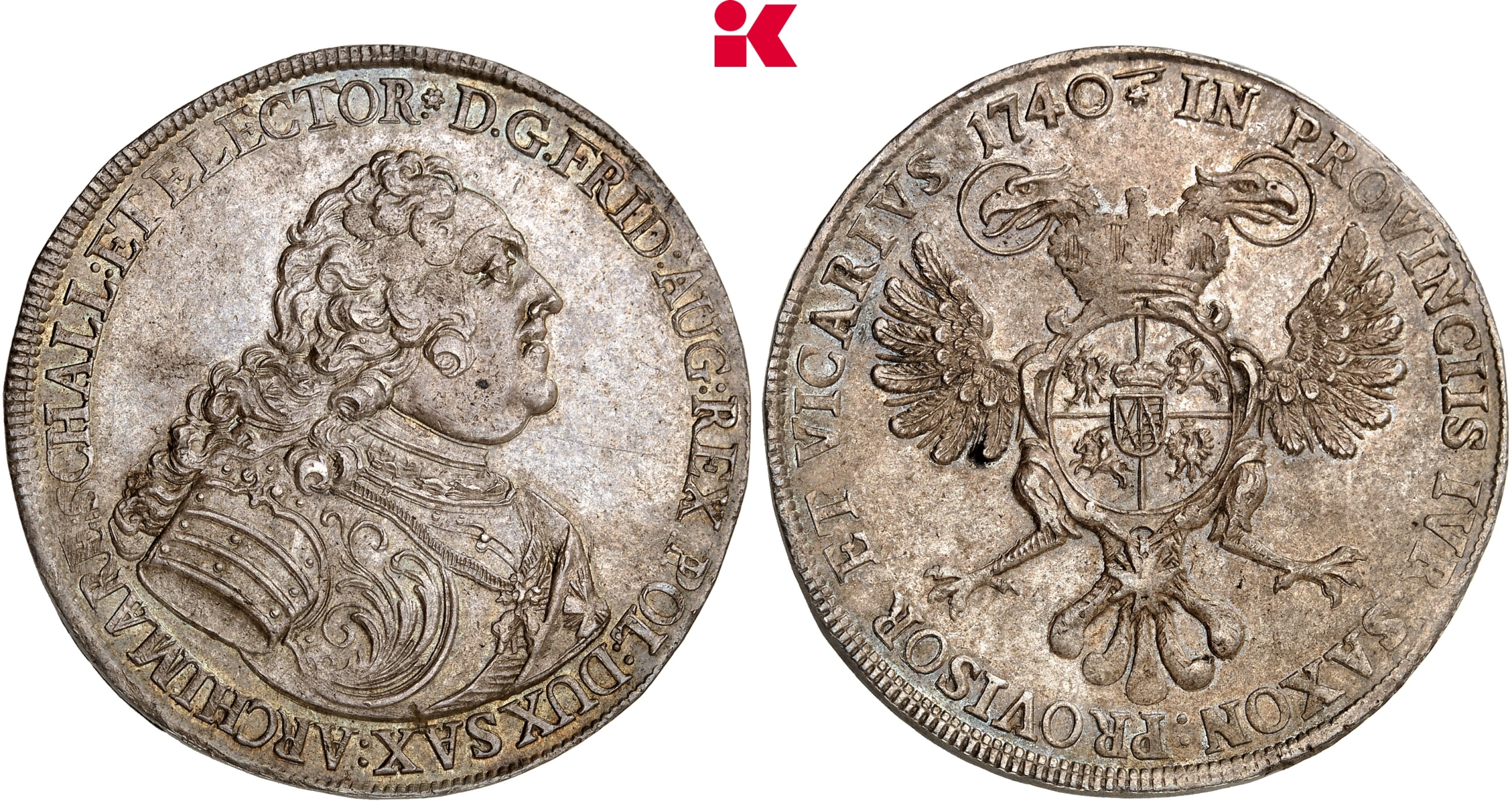
Reichstaler 1740, Dresden.
Selten, besonders in dieser Erhaltung.
Sehr attraktives Exemplar.
Vorzüglich.
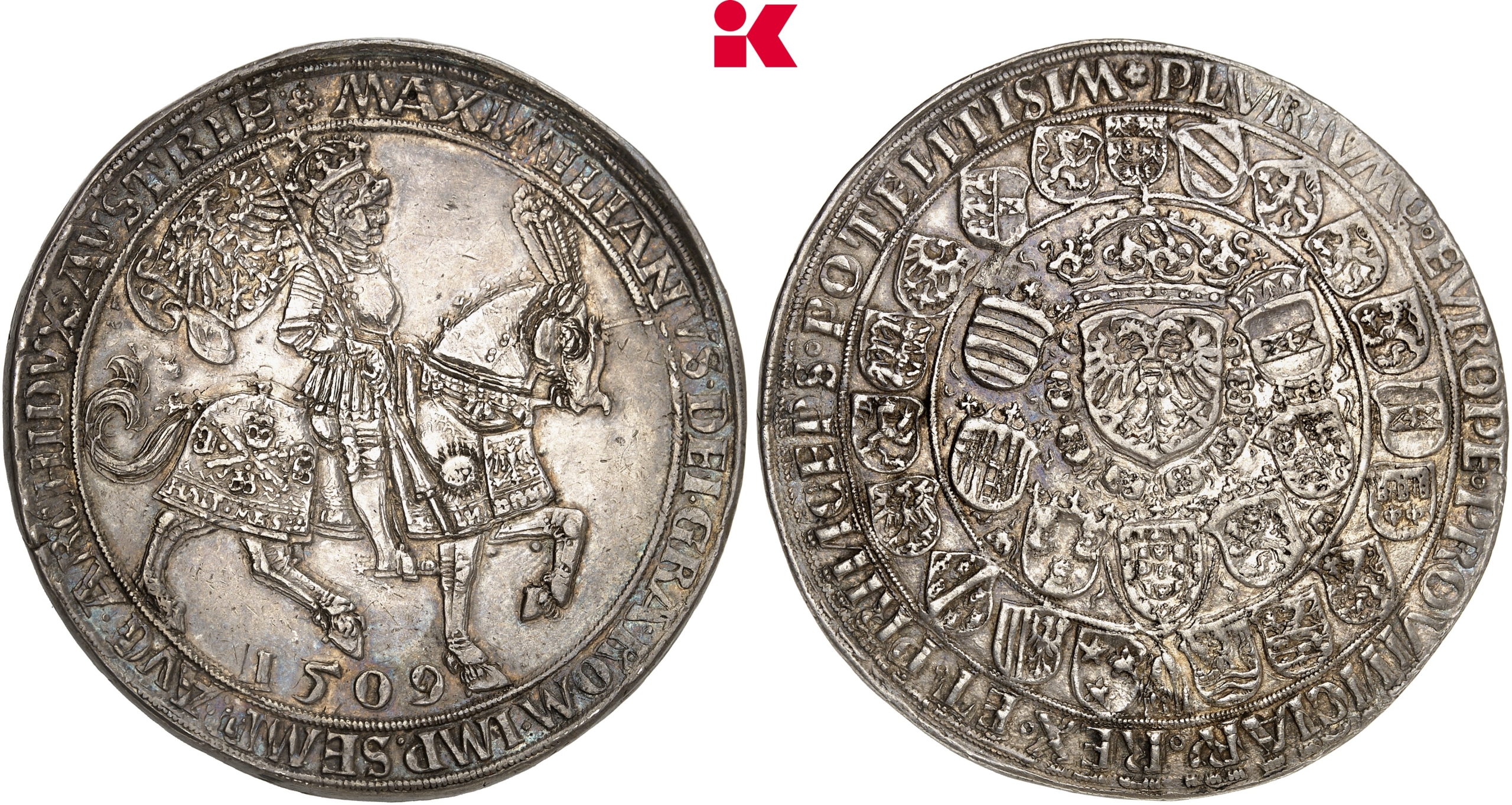
Doppelter Schauguldiner 1509, Hall.
Sehr selten, besonders in dieser Erhaltung.
Vorzüglich.
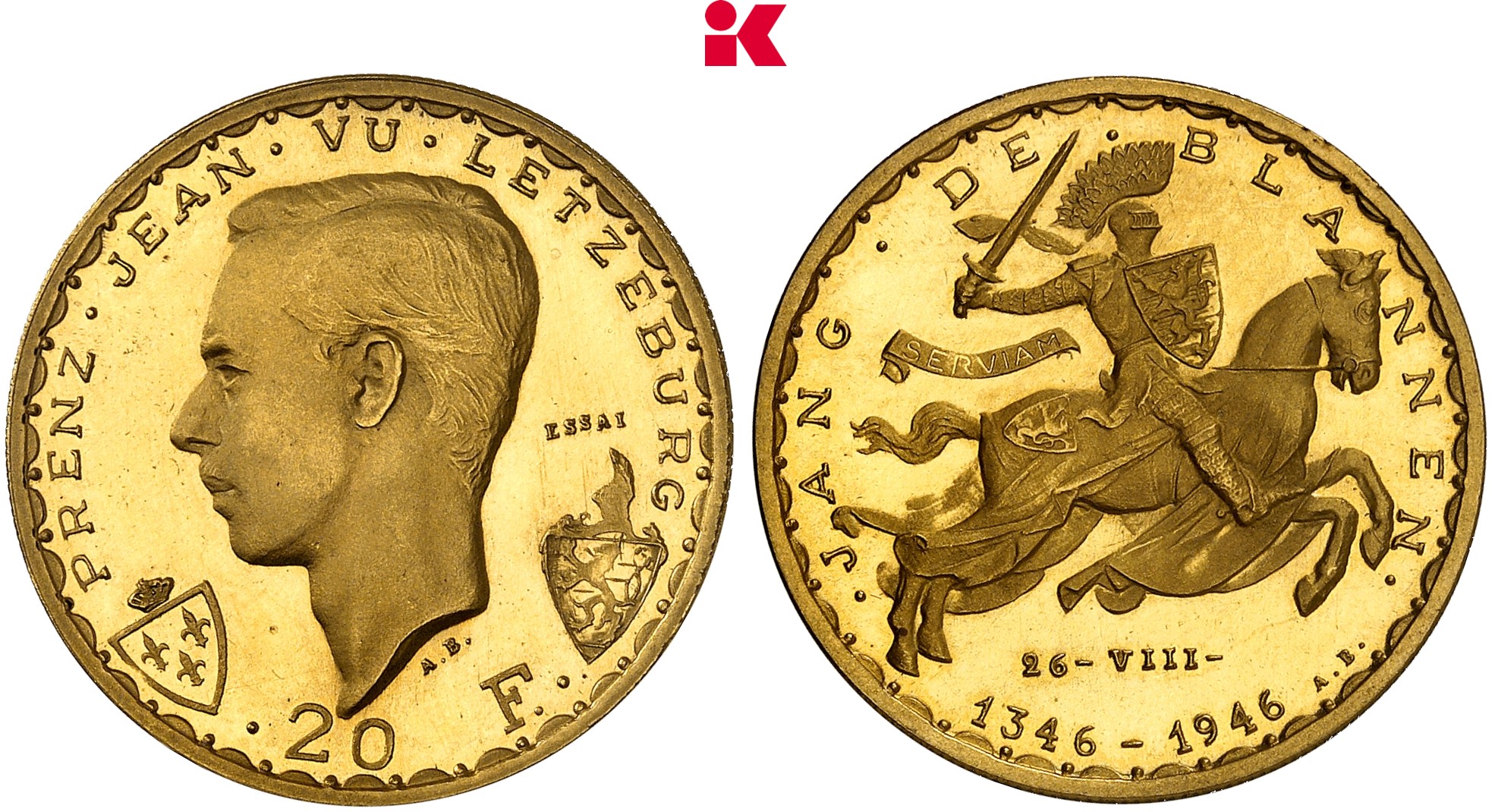
20 Francs 1946, Brüssel.
Nur 25 Exemplare geprägt.
Polierte Platte. Probe in Gold.
NGC PF 63 Ultra Cameo (Top Pop).
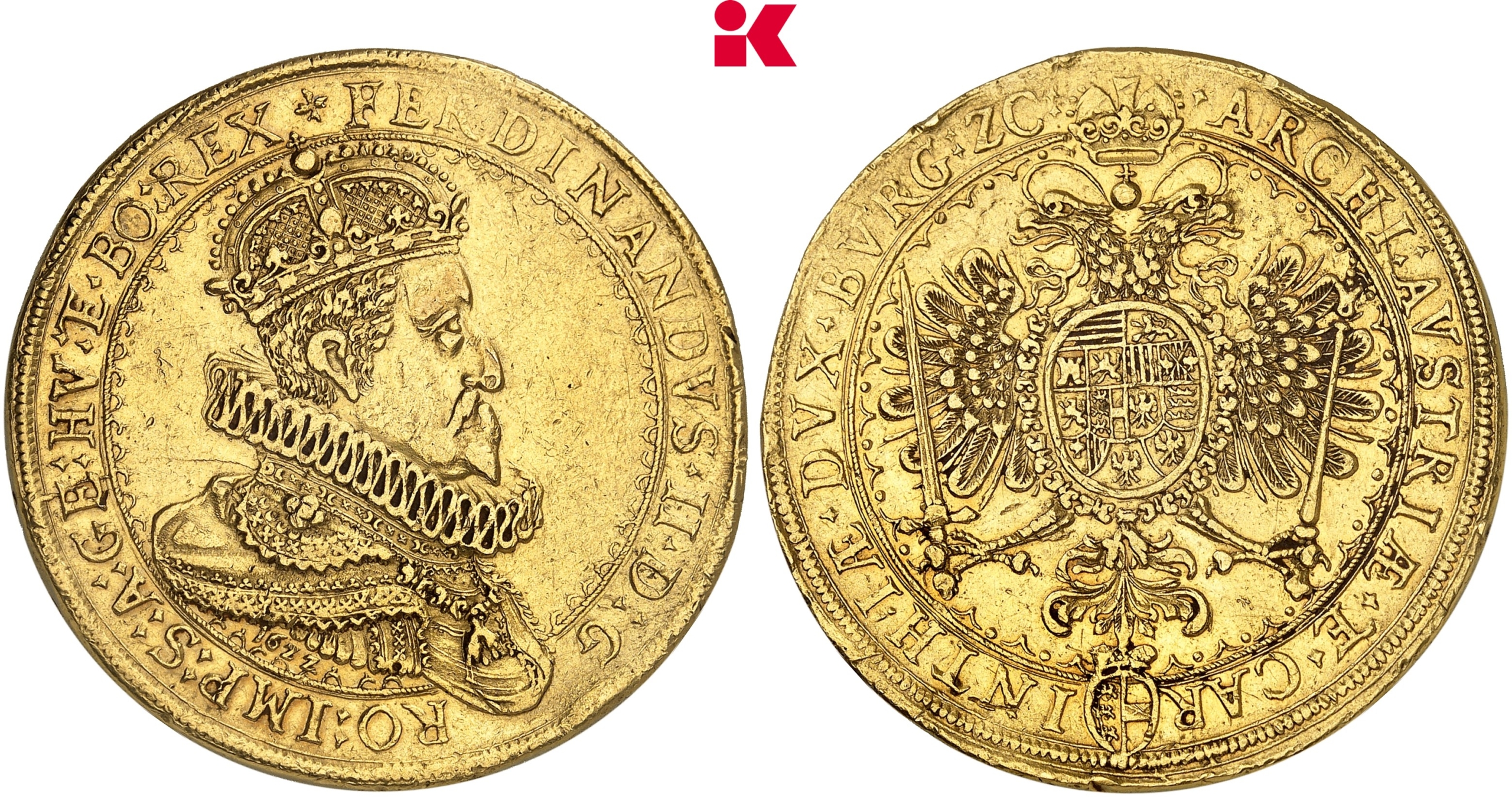
20 Dukaten 1622, Klagenfurt.
Von allergrößter Seltenheit und
großer numismatischer Bedeutung.
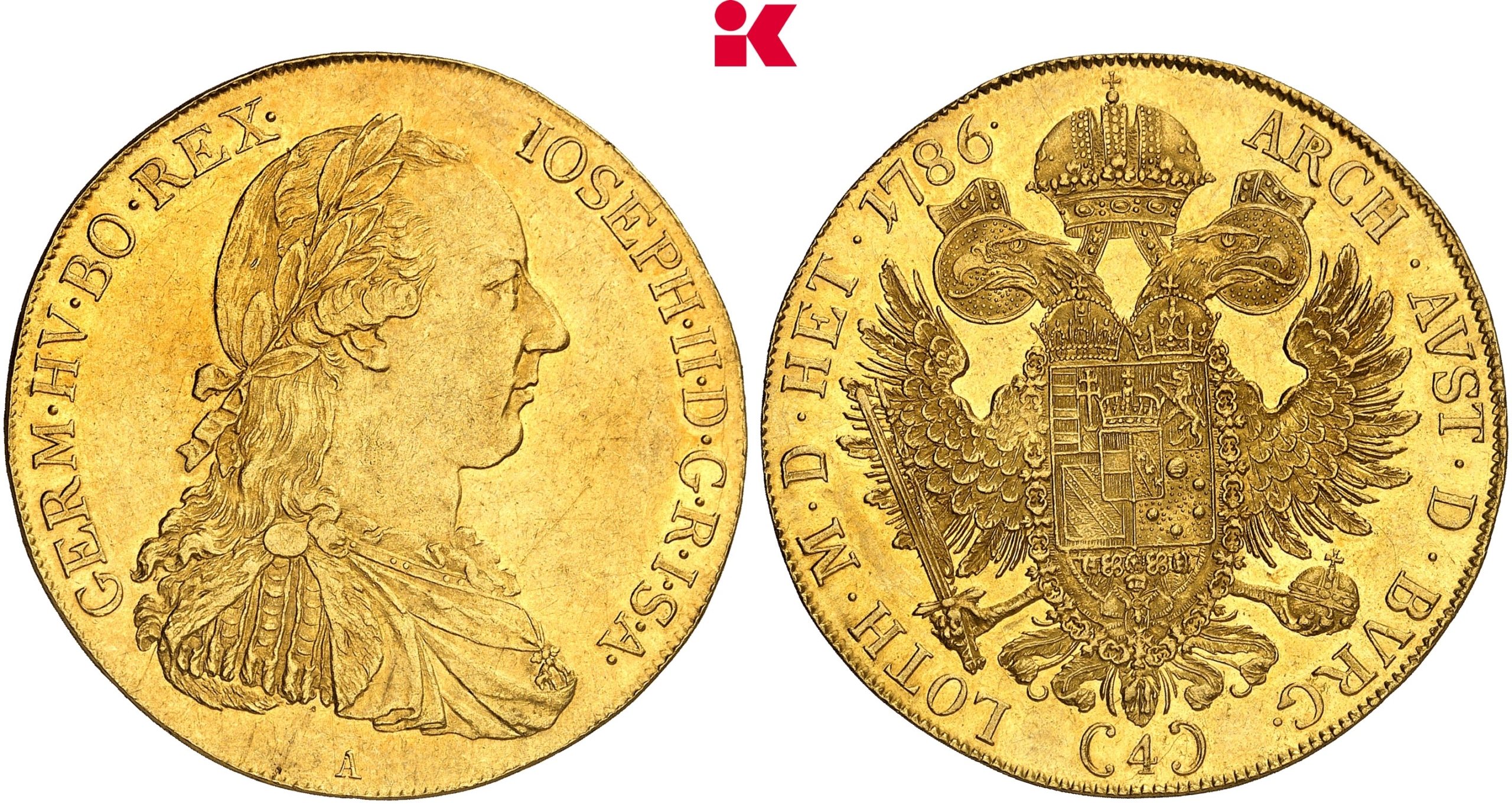
4 Dukaten 1786 A, Wien.
Von großer Seltenheit.
Feine Goldtönung, vorzüglich.
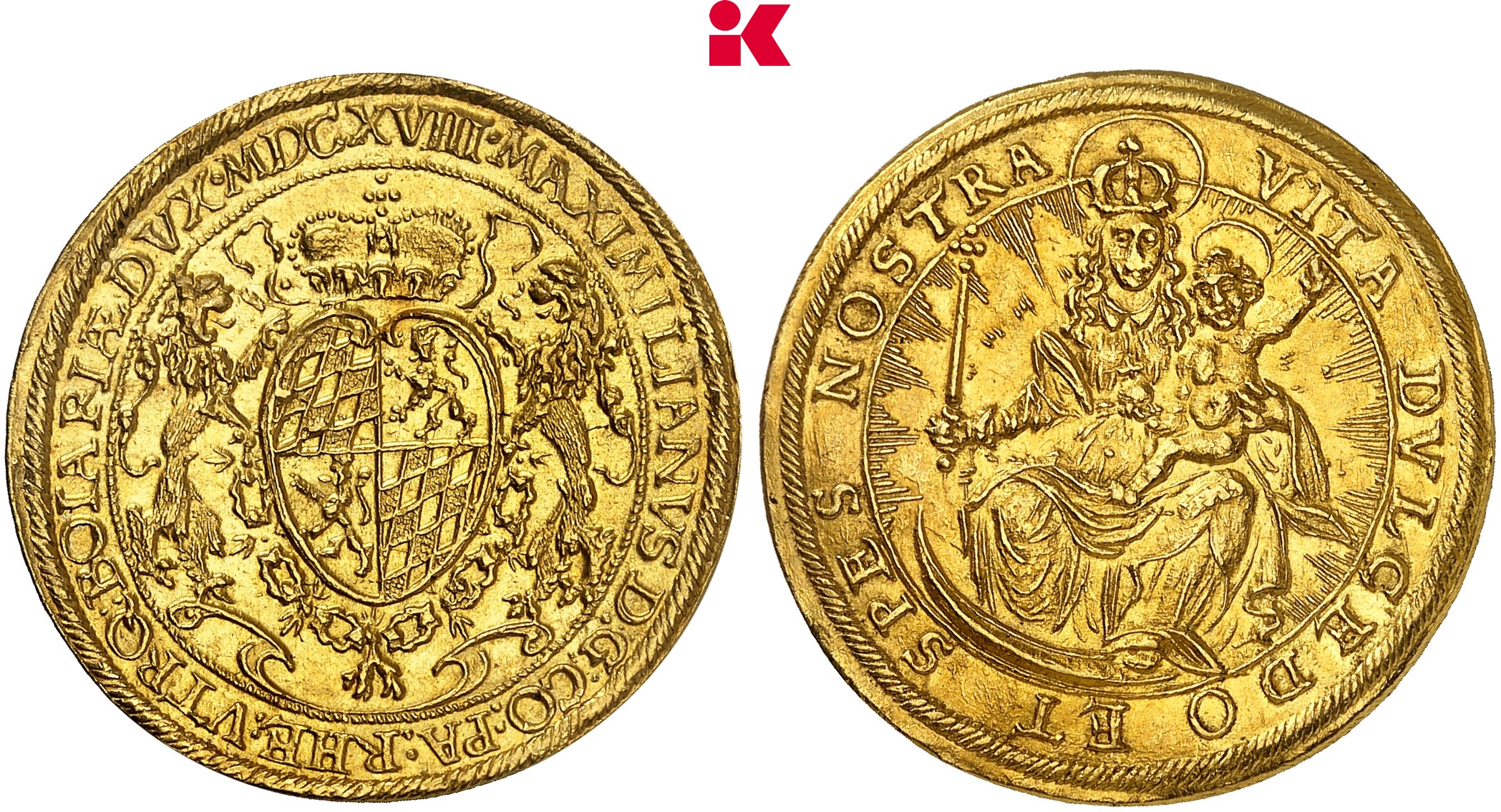
2 Dukaten 1618 München.
Attraktives Exemplar mit feiner Goldtönung.
Vorzüglich.
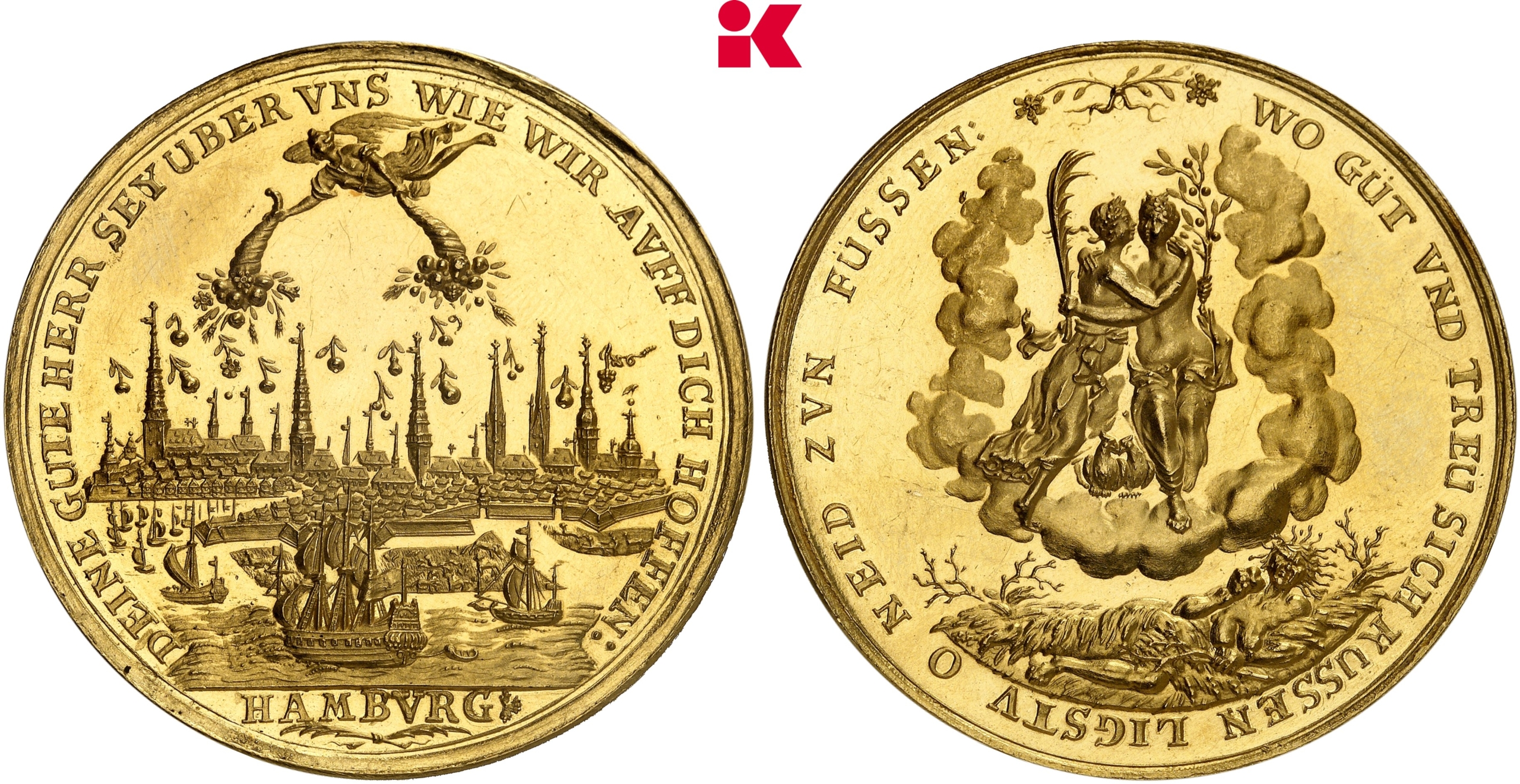
Privatportugalöser zu 10 Dukaten o. J. (1679).
Sehr selten. Prachtexemplar von polierten Stempeln.
Vorzüglich-Stempelglanz.
NGC MS 61 PL.
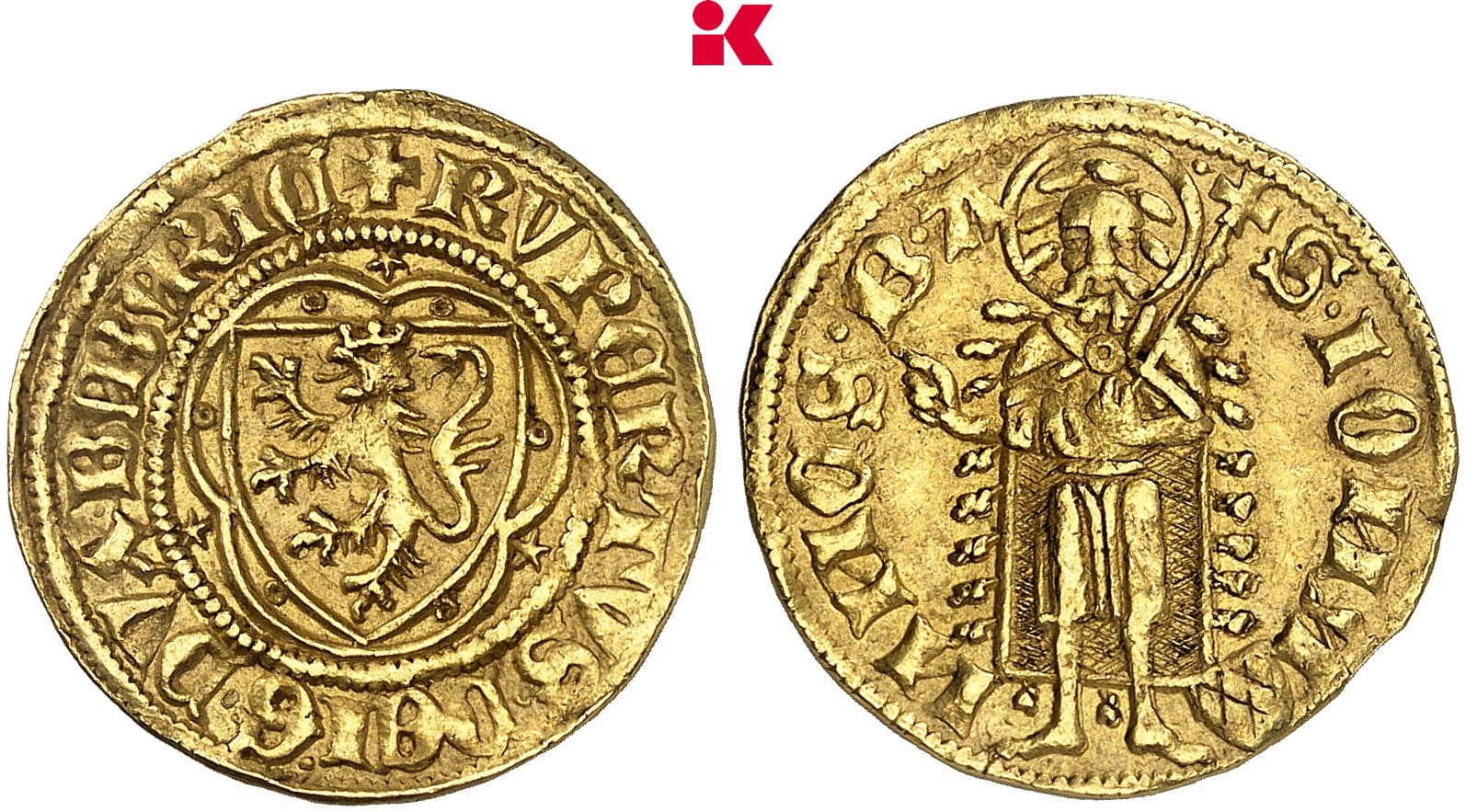
Goldgulden o. J. (1395-1397), Amberg.
Von allergrößter Seltenheit.
2. bekanntes Exemplar.
Sehr schön-vorzüglich/sehr schön.
New Issues From Croatia: Halubje Bell Ringers to Chase Away the Winter
They are an eerie people, the Halubajski zvončari – the Halubje bell ringers, who parade through the snow-covered landscape wearing animal masks, sheepskins and heavy bells. With lascivious movements of the pelvis, they ring the bell tied around their waist to scare away the evil spirits of winter and bring the fertility of spring to fields, pastures and herds. Similar customs exist in many of Europe’s inaccessible mountain regions. Be it Perchten, Tschäggättä or Clausen – they are all rooted in ancient rites that mark the transition from barren to fertile times. Magical rituals are performed to ensure that the snow will melt and make way for fresh green. But while these customs have degenerated into a mere tourist attraction in many countries, the Halubje bell ringers and the inhabitants of the villages they visit usually keep to themselves. UNESCO has recognised the Halubje bell ringers by declaring their living tradition an intangible cultural heritage.
Content
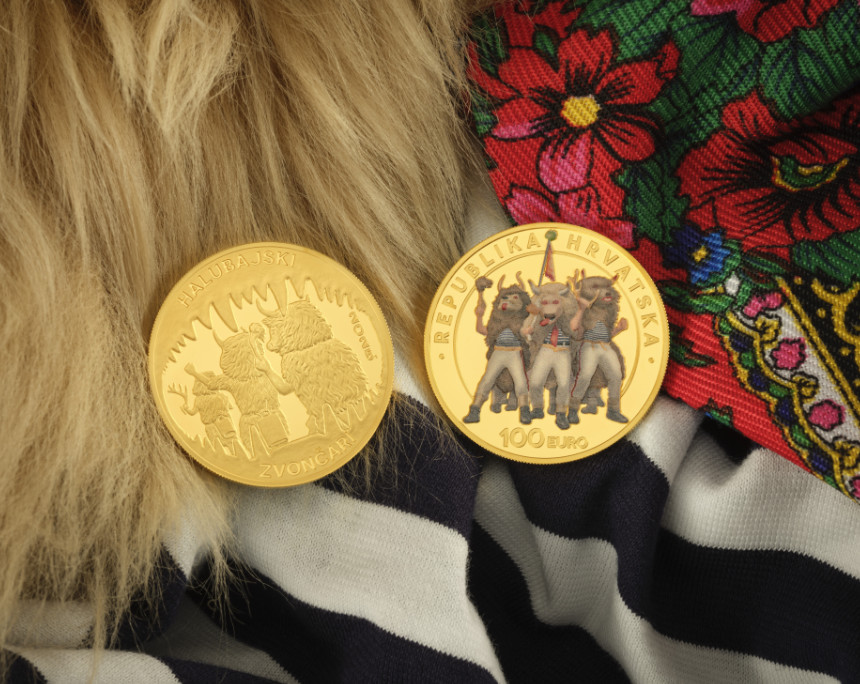
Impression of the Halubajski Zvončari gold coin.
From the Feast of St. Anthony to Shrove Tuesday
The traditional performance of the zvončari begins on 17 January. On the evening of St. Anthony’s Day, they blow their horns to announce the start of the carnival. By Shrove Tuesday, they will have covered many dozens of kilometres on lonely paths with their bells, which weigh about six kilos, as they move from village to village. Wherever they go, the zvončari are treated to plenty of presnac (a cake baked during the carnival season), kobasica (a local sausage), and schnaps, of course. In return, they put on an impressive performance, ending with a big bell circle. During this spectacle, the zvončari come closer and closer as they ring their bells together. Their performances end on Shrove Tuesday with the traditional burning of the “Pust” in Viškovo. The Pust is a straw puppet dressed in jacket, hat and flowery necktie. As a kind of scapegoat, the Pust takes on all the evils of the past year when it goes up in flames. Once it is reduced to ashes, the new year can begin without the burdens of the old.
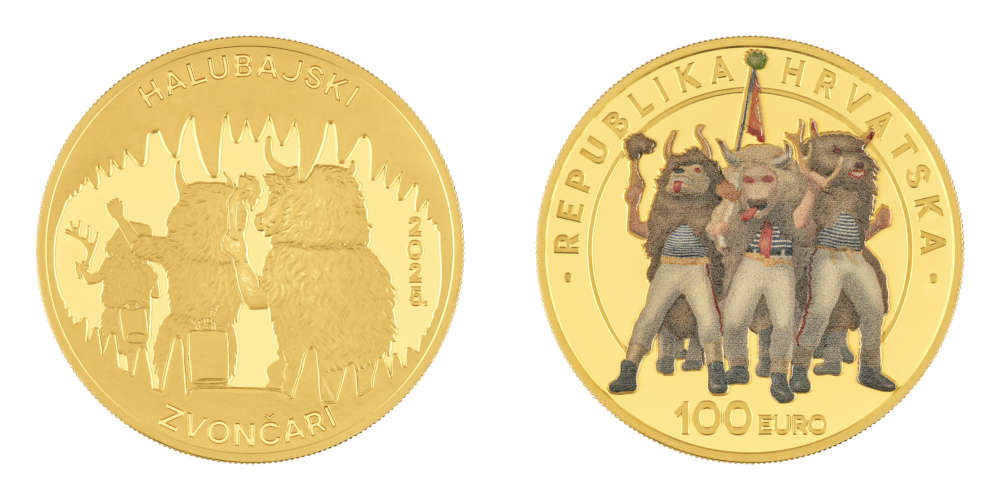
1-oz Halubajski Zvončari gold coin with colour application and a face value of 100 euros.
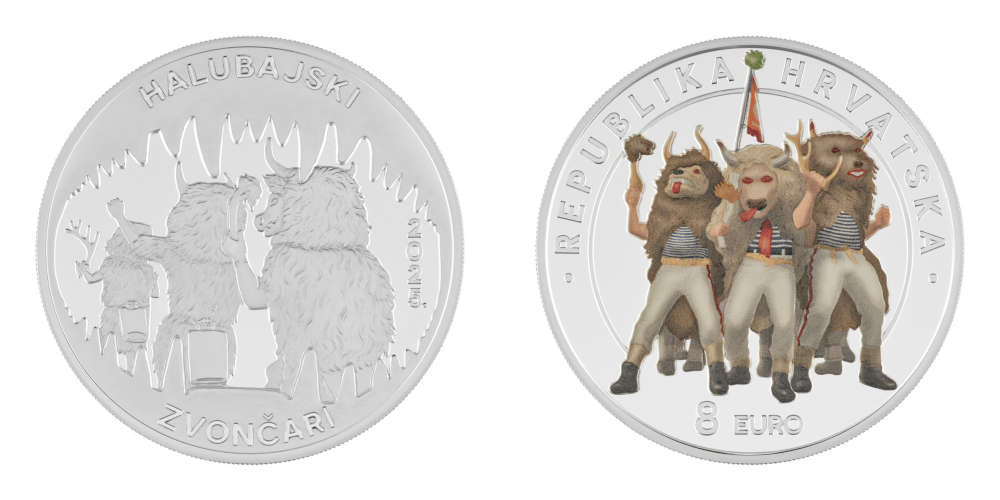
5-oz Halubajski Zvončari silver coin with colour application and a face value of 8 euros.
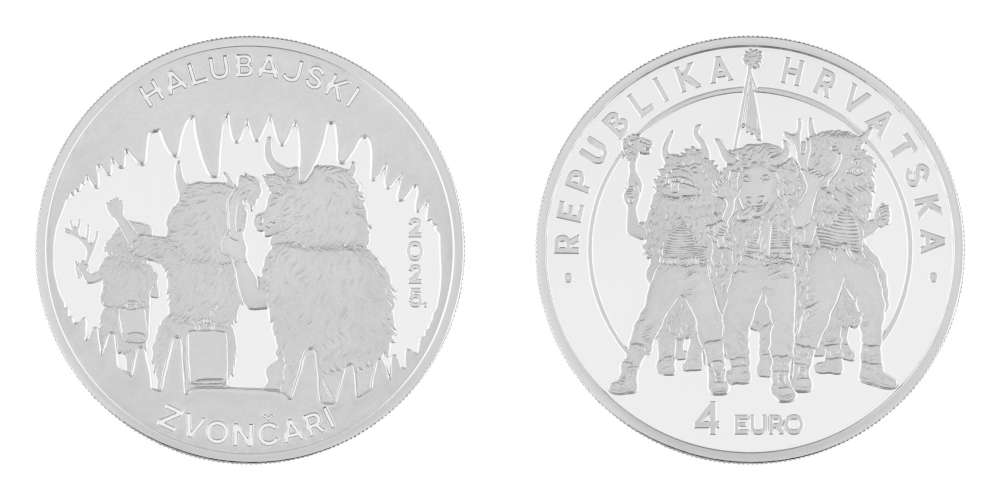
1-oz Halubajski Zvončari silver coin with face value of 4 euros.
The Design
The design of the commemorative coins in honour of the zvončari was created by the internationally renowned designer Chiara Principe and was devised in cooperation with the Zvončari Association. The obverse depicts the zvončari procession from the perspective of one of its members. Through the mouth of the mask, we can see those walking in front in their traditional costumes, waving a knotted stick or another weapon in their left hand. The circumscription reads HALUBAJSKI ZVONČARI 2025. The reverse shows the bell circle of the zvončari gathered around their flag. The circumscription reads REPUBLIKA – HRVATSKA with the respective face value. The gold version and the 8-euro silver version depict the reverse design in colour.
|
100 euros |
2025 |
Halubje Bell Ringer |
31.103 g – 1 ounce |
32 mm |
Gold .9999 |
BU |
200 |
colour application |
|
8 euros |
2025 |
Halubje Bell Ringer |
155.518 g – 5 ounces |
60 mm |
Silver .9999 |
BU |
500 |
colour application |
|
4 euros |
2025 |
Halubje Bell Ringer |
31.103 g – 1 ounce |
38.61 mm |
Silver .9999 |
BU |
2000 |
Issue Date and Price
As of 18 February 2025, the coins can be purchased directly from the shop of the Croatian Mint. Their price is adjusted on a daily basis, depending on the current gold price. Added to this is the VAT of the country the buyer has the coin shipped to.
