







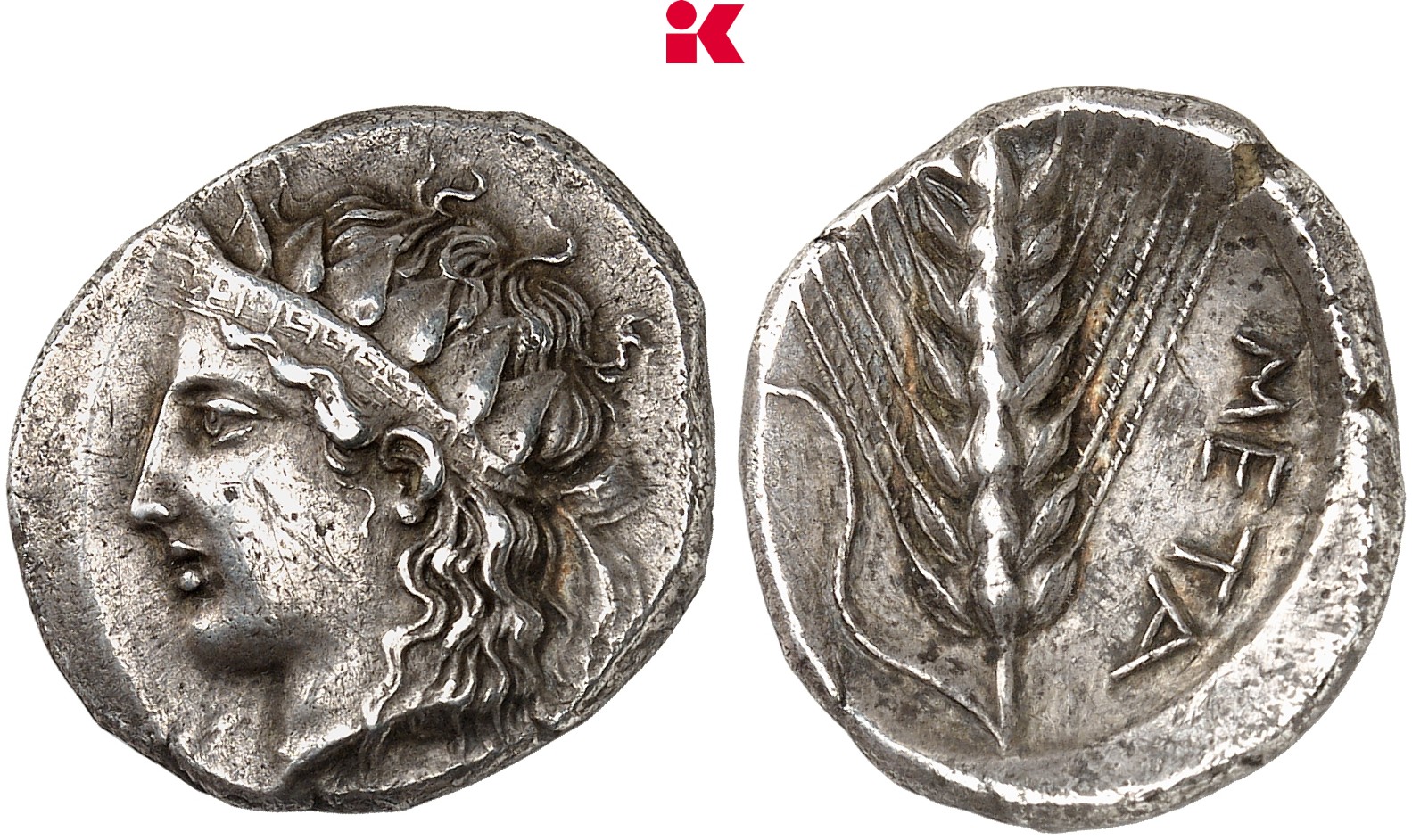
Didrachm, 400/340 BC. Attractive piece.
Very rare, particularly in this condition.
Dionysus head of the finest style.
Ex Hirsch VIII, München 1903, no. 792.
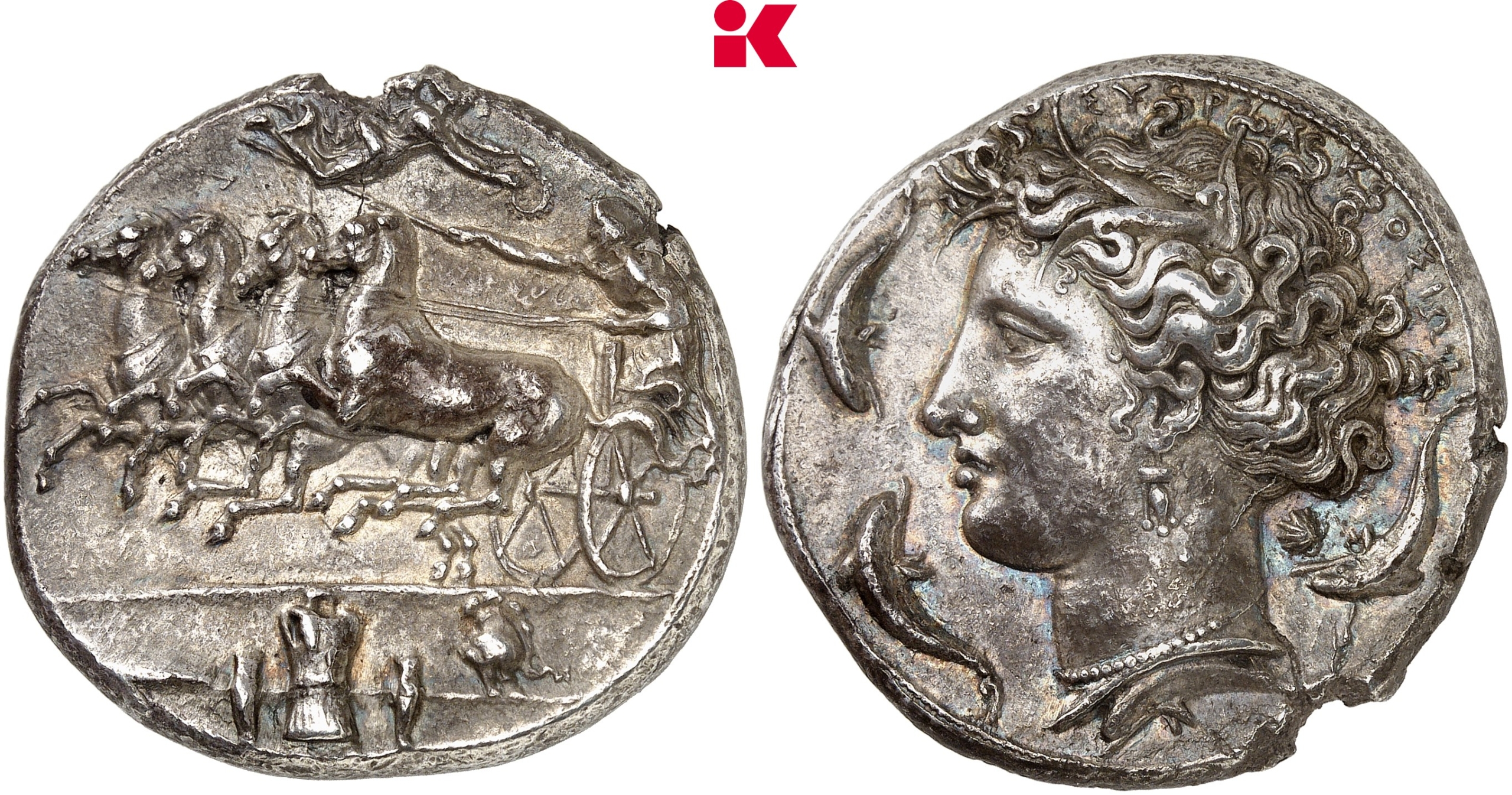
Decadrachm around 400/390 BC, unsigned.
Splendid patina, extremely fine.
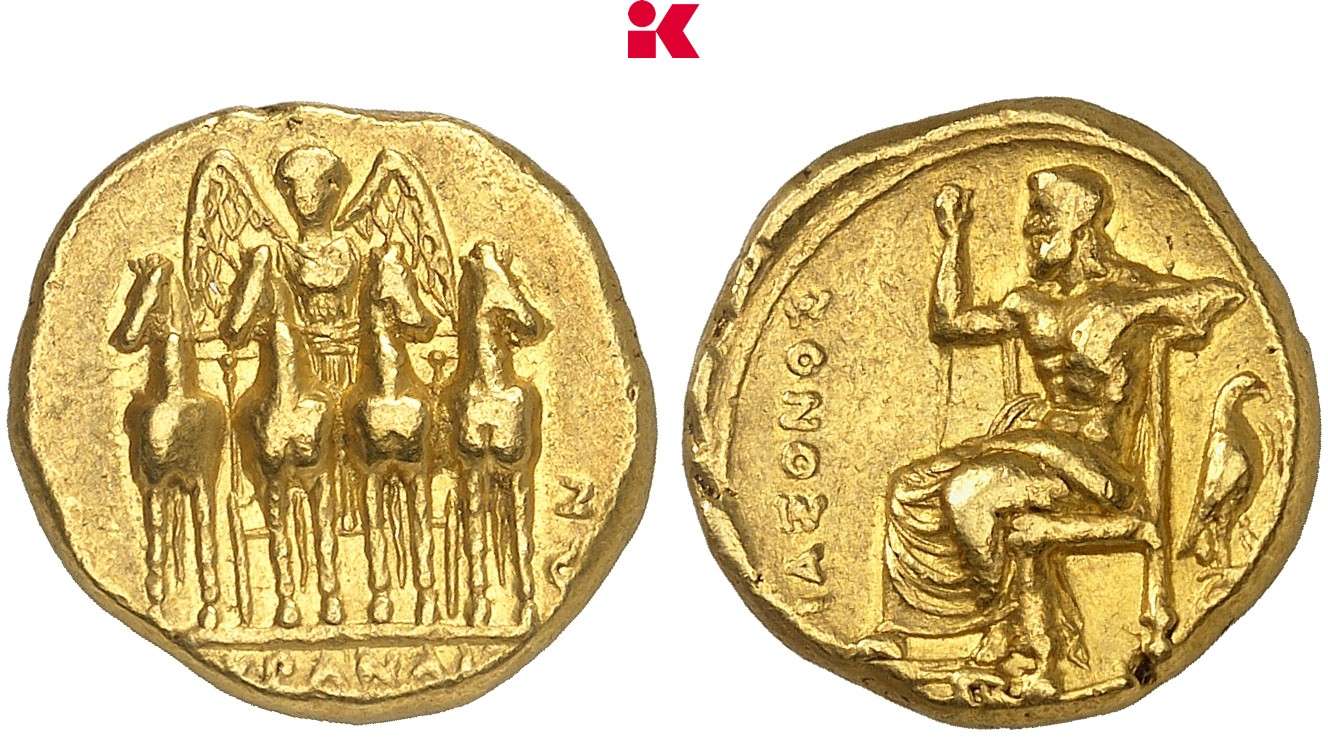
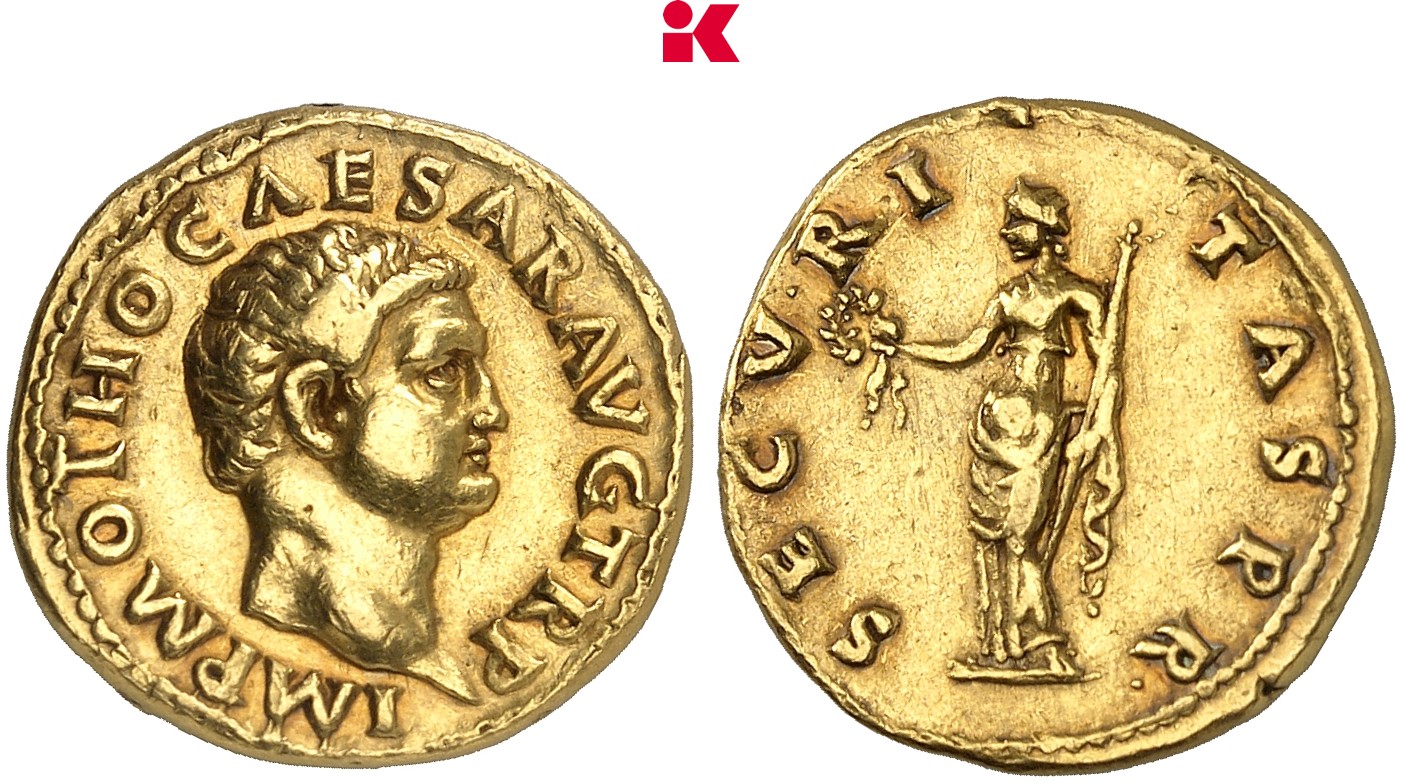
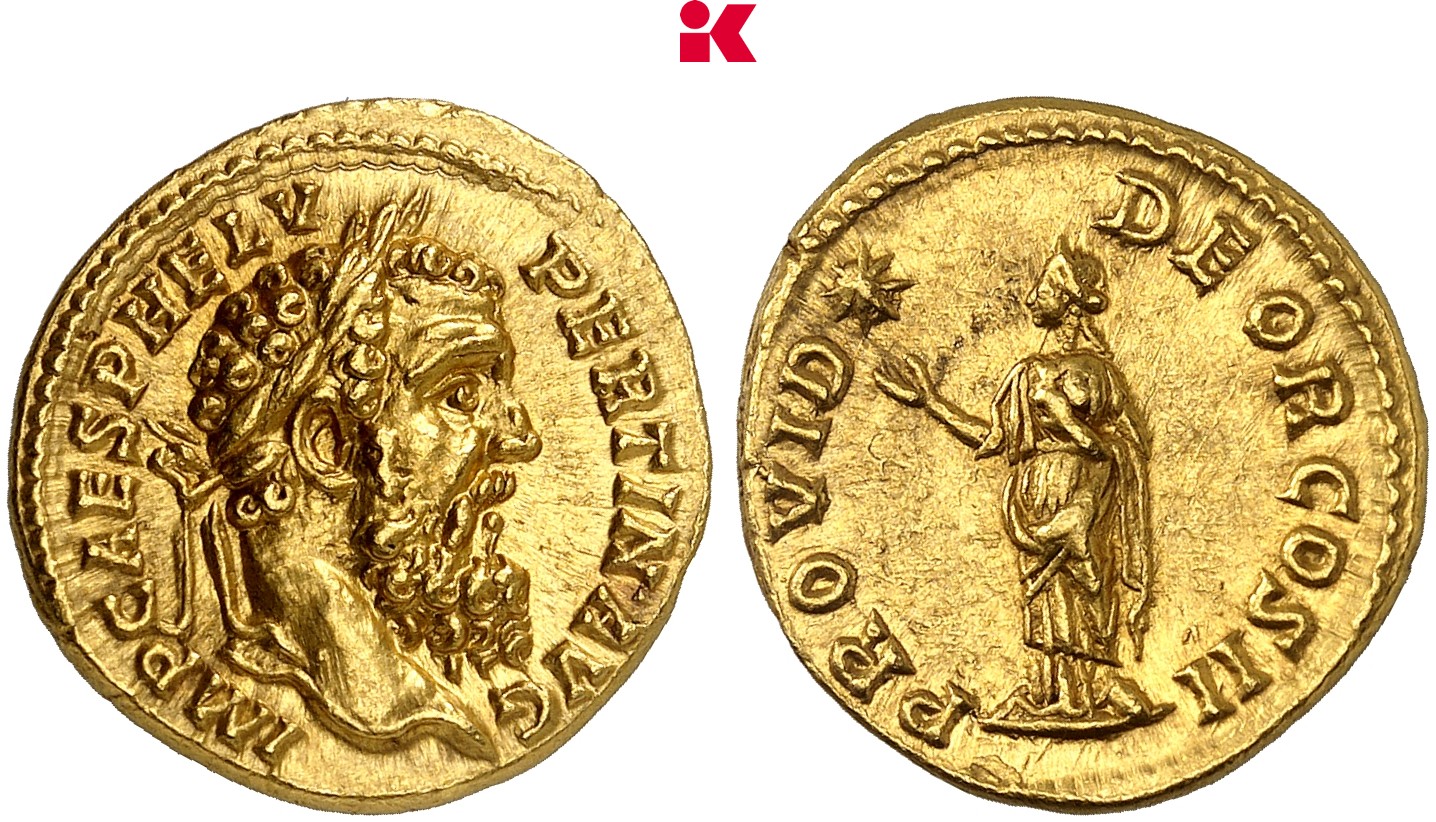
Aureus, Rome.
Very rare.
Attractive piece.
Ex Huntington (Inventar-no. ANS 1001.1.30032).
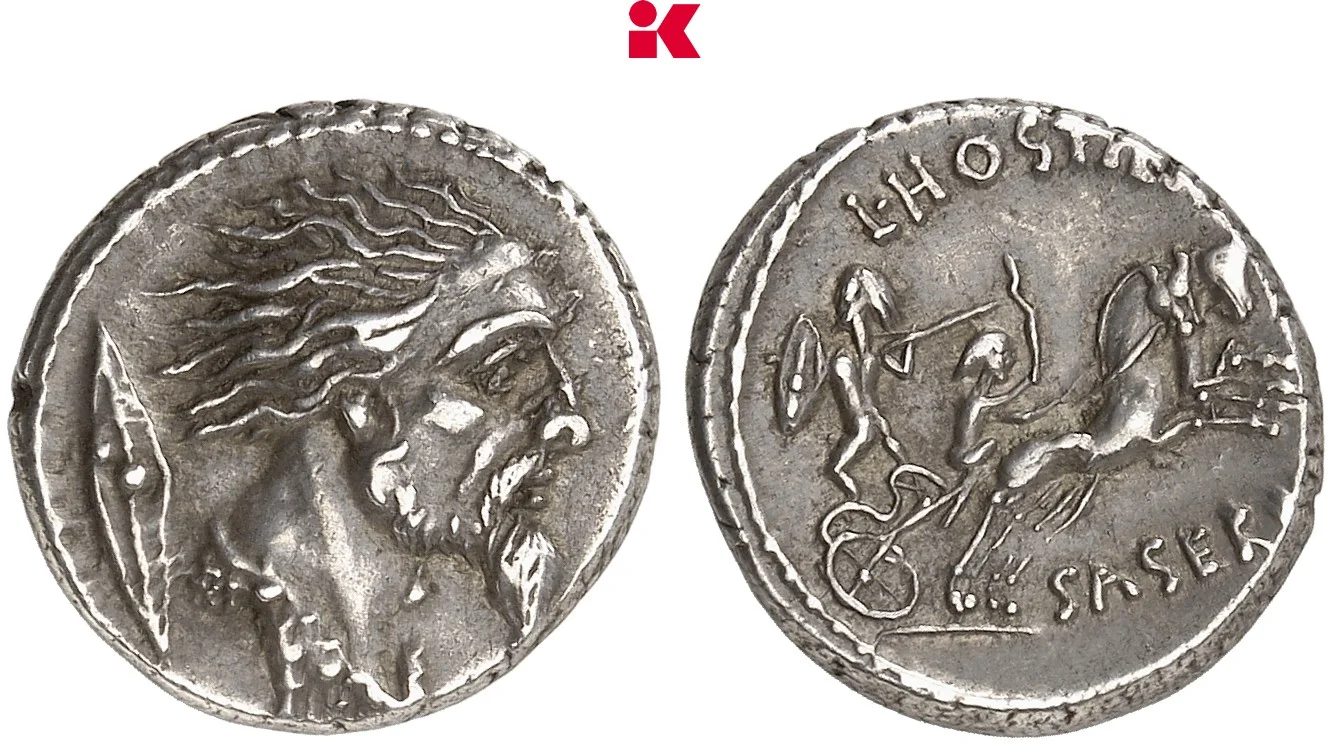
Denarius, 48 B.C., Rome.
L. Hostilius Saserna.
Very rare.
Attractive toning, extremely fine.
Ex Sternberg VI, Zürich 1976, no. 758.
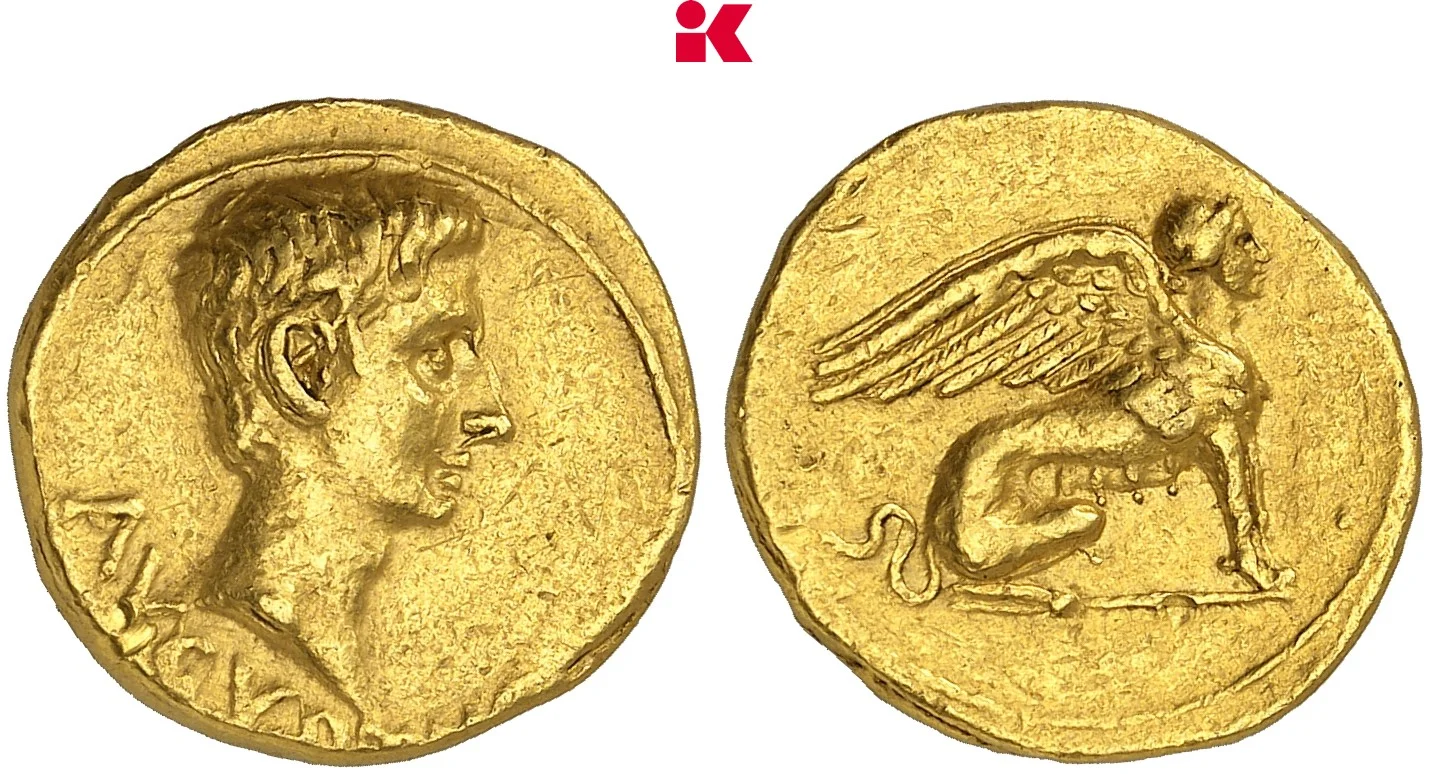
Augustus, 30 BCE–14 CE.
Aureus, 19/18 BCE, Ephesus (Ionia).
Very rare.
Min. Very fine.
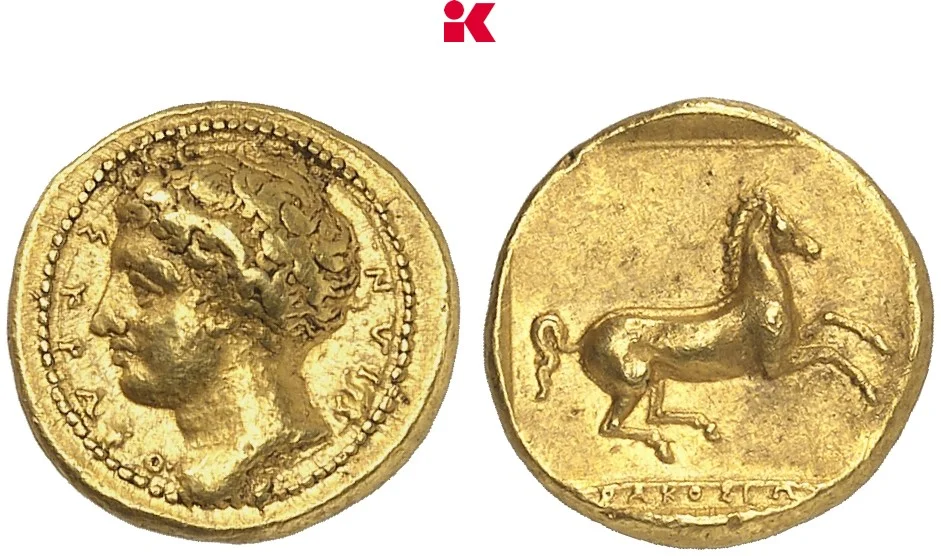
50 litren, 405/400 B.C.
Struck with a slightly rusty obverse die,
very fine-extremely fine/extremely fine.
Celtic Coin Hoard Melted Down into Lumps
The unanswered questions about the theft of a Celtic gold treasure in Manching, Germany, might soon be solved. On 22 November 2022, 483 gold coins with a total weight of about 3.7 kilograms were stolen from the kelten römer museum in Manching, Bavaria. The coins belong to what is considered the largest Celtic gold hoard of the 20th century. Now the police have announced success in apprehending suspected criminals.
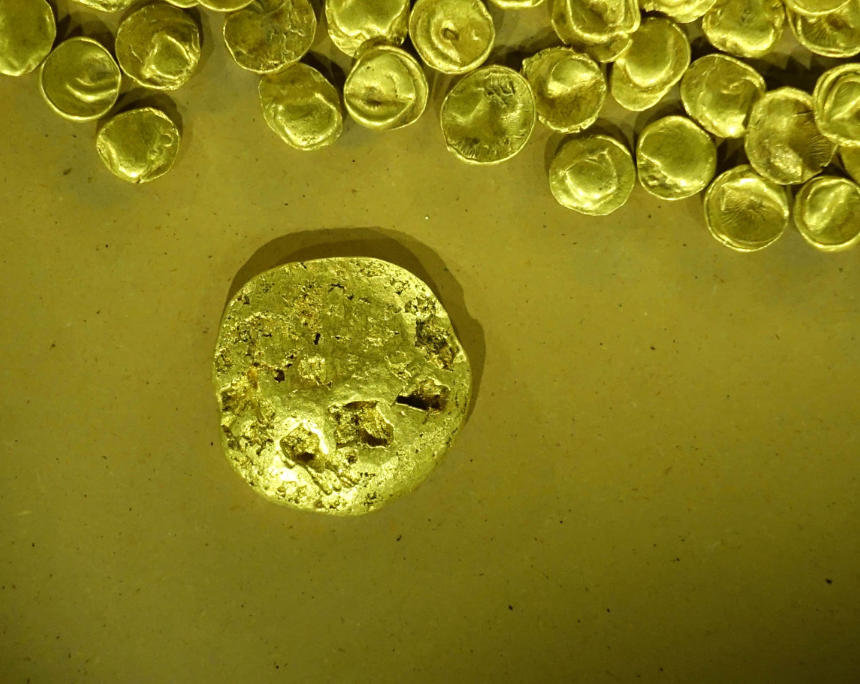
A part of the Manching coin hoard. In the lower part of the picture, the so-called Goldgusskuchen (“gold cast pie”) with a weight of 217 grams. Photo: UK.
On 19 July 2023, German media outlets reported that four suspects were arrested in the area of Schwerin (Mecklenburg-Vorpommern), quoting the Bavarian Criminal Investigation Department (LKA) and the dpa German Press Agency. The evidence is said to be “overwhelming”. Newspapers even reported that a part of the coin hoard might have been recovered.
The official statement of the LKA that was published after the press conference on 20 July 2023 says: “When he was arrested, the 43-year-old was in possession of a plastic bag with 18 gold lumps in it. An initial micro x-ray fluorescence analysis carried out by the forensic institute of the Bavarian LKA revealed a mixture of gold, silver and copper that corresponds to the composition of the gold hoard. Therefore, it must be assumed that these lumps were produced by melting down the Manching gold hoard. The pieces are currently being analysed in cooperation with the Archaeological State Collection.” The Oppidum special commission continues to investigate.
We will keep you posted!
