






Archive: People and Markets
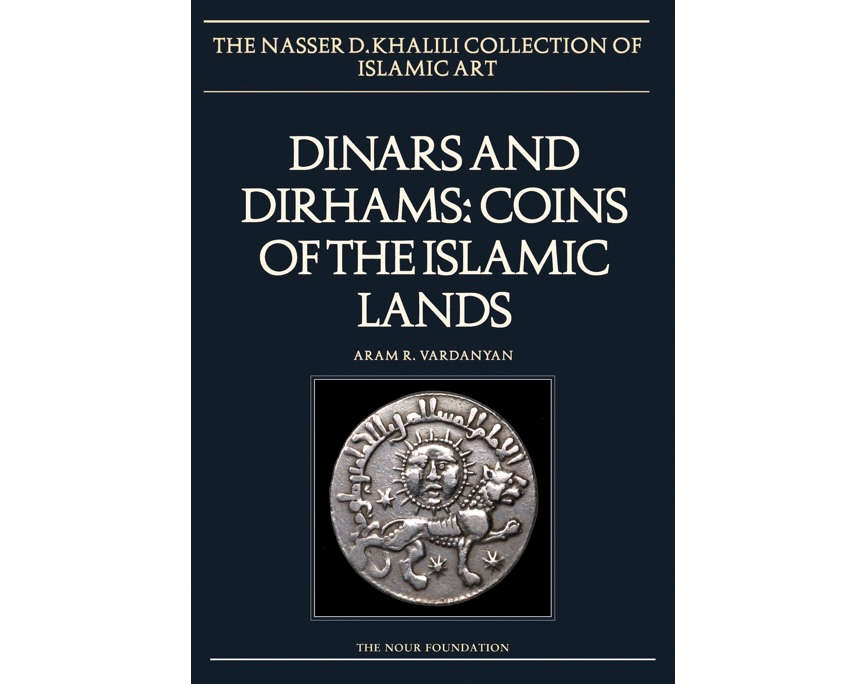
Coins of the Islamic Lands From the Nasser D. Khalili Collection
The Khalili Collection of Islamic Art is one of the most comprehensive of its kind, and its Islamic coinage is among the finest in private hands. A catalog featuring highlights from the early period of Islamic Coinage has now been published, including many rare and unpublished specimens.
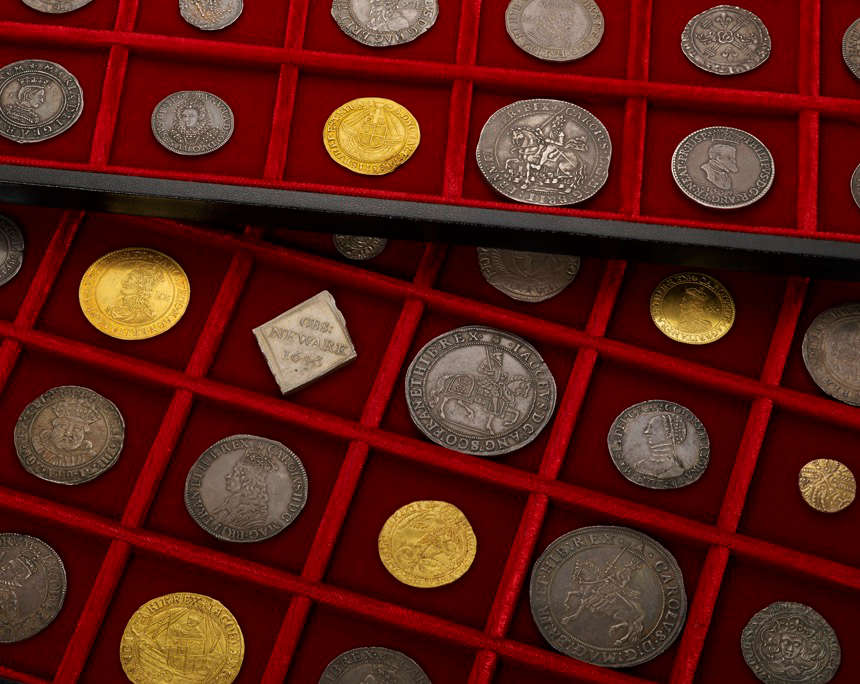
Geoffrey’s Cope’s Exceptional Collection Comes to Auction
Numismatica Ars Classica, Classical Numismatic Group and Numismatica Genevensis have joined forces to present the exceptional collection of Geoffrey Cope. It will come under the hammer in May and October 2024.
Archive: Coins, Medals and more
 https://new.coinsweekly.com/wp-content/uploads/2024/02/2024KW06HA_00.jpg
684
860
Ursula Kampmann
https://new.coinsweekly.com/wp-content/uploads/2023/01/logo-coinsweekly_590x204.png
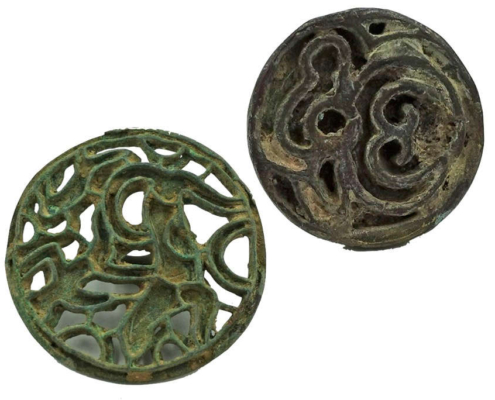
Ursula Kampmann2024-02-08 10:49:082024-02-08 13:52:53The St. Croix Collection of Baktrian Seals
https://new.coinsweekly.com/wp-content/uploads/2024/02/2024KW06HA_00.jpg
684
860
Ursula Kampmann
https://new.coinsweekly.com/wp-content/uploads/2023/01/logo-coinsweekly_590x204.png
Ursula Kampmann2024-02-08 10:49:082024-02-08 13:52:53The St. Croix Collection of Baktrian Seals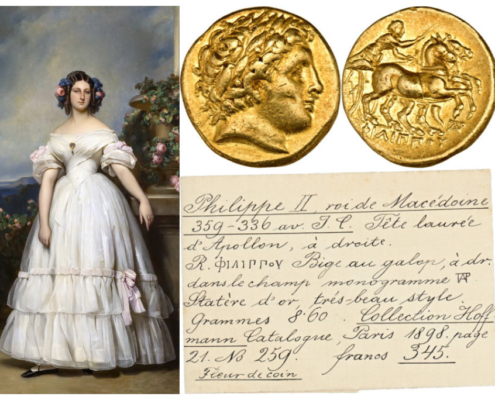 https://new.coinsweekly.com/wp-content/uploads/2024/10/2024KW43HA_00.jpg
684
860
Lucie Loechel
https://new.coinsweekly.com/wp-content/uploads/2023/01/logo-coinsweekly_590x204.png
Lucie Loechel2024-10-24 10:15:002024-10-24 13:59:31Clémentine d’Orléans: Extraordinary Woman and Coin Collector
https://new.coinsweekly.com/wp-content/uploads/2024/10/2024KW43HA_00.jpg
684
860
Lucie Loechel
https://new.coinsweekly.com/wp-content/uploads/2023/01/logo-coinsweekly_590x204.png
Lucie Loechel2024-10-24 10:15:002024-10-24 13:59:31Clémentine d’Orléans: Extraordinary Woman and Coin Collector
Swissmint Celebrates 200 Years “Swiss Shooting Sports Federation”
In June, Swissmint has issued a new collector coin, “Swiss Shooting Sports Federation”. This is the start of the numismatic celebration that mark the 200th anniversary of the organization which will go on until 2024.
Thomas J. Uram to Become ANA’s 63rd President
Thomas J. Uram was elected the 63rd President of the American Numismatic Association. He will be sworn in at Pittsburgh World’s Fair of Money. View the results for the new Board of Governors.