







Archive: People and Markets
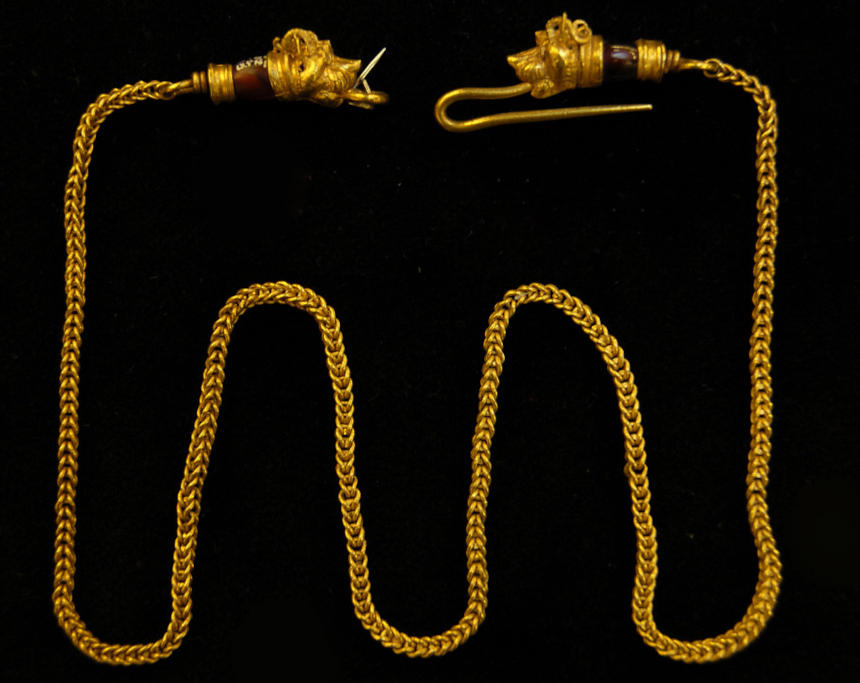
Can the British Museum Recover Their Lost Items?
Around 2,000 un-inventoried objects from the Greek-Roman collection of the British Museum were stolen. The museum recently announced the deployment of a task force and recovery program, but will these measures be enough to see the return of the lost objects?
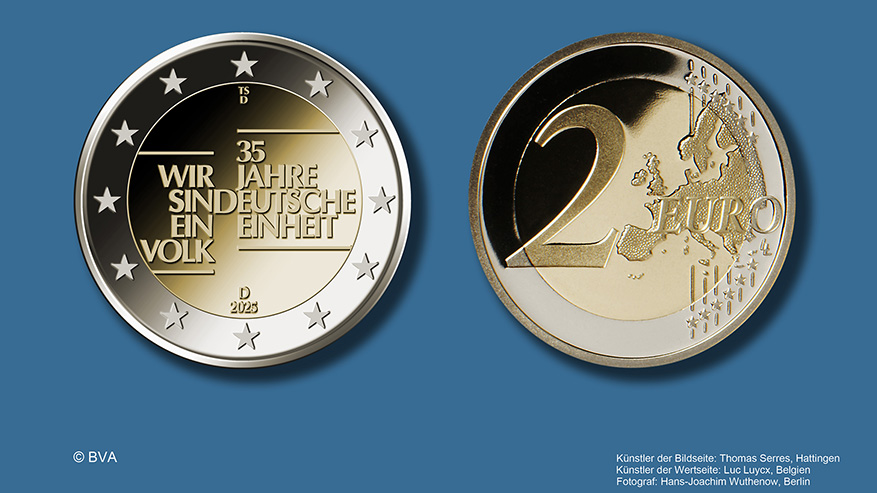
Two-Euro Ticker: New 2-Euro Coins in September 2024
The Federal Republic is once again stirring up the collector world with two surprising announcements. Additionally, San Marino, Slovakia, and Latvia are delighting collectors with new designs.
Archive: Coins, Medals and more
 https://new.coinsweekly.com/wp-content/uploads/2024/07/2024KW30HA_00.jpg
684
860
Sebastian Wieschowski
https://new.coinsweekly.com/wp-content/uploads/2023/01/logo-coinsweekly_590x204.png
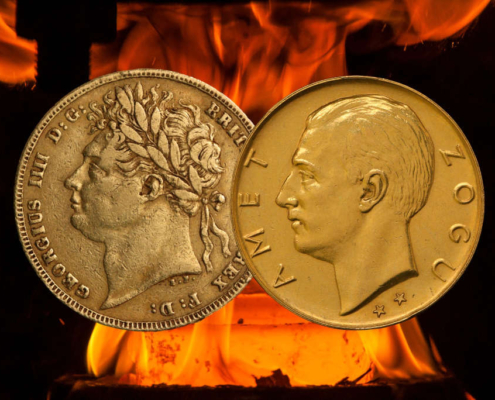
Sebastian Wieschowski2024-07-25 09:00:162024-07-25 09:26:11Gold at Record Highs: Melt Down or Preserve Historic Gold Coins?
https://new.coinsweekly.com/wp-content/uploads/2024/07/2024KW30HA_00.jpg
684
860
Sebastian Wieschowski
https://new.coinsweekly.com/wp-content/uploads/2023/01/logo-coinsweekly_590x204.png
Sebastian Wieschowski2024-07-25 09:00:162024-07-25 09:26:11Gold at Record Highs: Melt Down or Preserve Historic Gold Coins?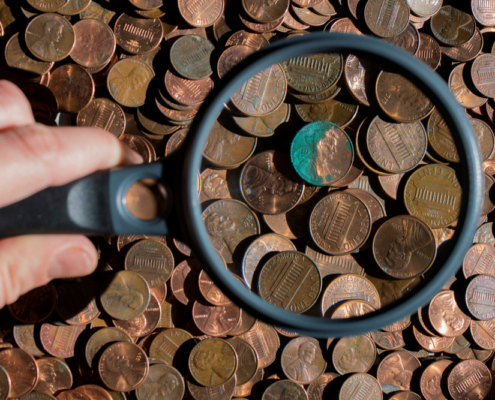 https://new.coinsweekly.com/wp-content/uploads/2023/06/00_shutterstock_774584251.jpg
667
1000
Bruno
https://new.coinsweekly.com/wp-content/uploads/2023/01/logo-coinsweekly_590x204.png
Bruno2022-06-13 13:25:492023-06-27 11:27:36Cleaning, Patina, Verdigris etc.: Which Errors Affect the Price of a Coin? – Part 2
https://new.coinsweekly.com/wp-content/uploads/2023/06/00_shutterstock_774584251.jpg
667
1000
Bruno
https://new.coinsweekly.com/wp-content/uploads/2023/01/logo-coinsweekly_590x204.png
Bruno2022-06-13 13:25:492023-06-27 11:27:36Cleaning, Patina, Verdigris etc.: Which Errors Affect the Price of a Coin? – Part 2
Medaljer Konstnärer – Medaillen und ihre Künstler – Medals and Their Artists
Roberto Delzanno presents his publication on five important Swedish medalists. The book of over 400 pages features texts in Swedish, German and English, as it aims to introduce Swedish medal art to the broader international collector community.
The Difference Between Stamps and Coins: Not as Trivial as You’d Think!
There are times when uninformed people buy anything as long as the object in question might retain its value. Disillusionment strikes when the market situation changes. The realisation that there isn’t a market for every collectible ruined many a collecting field in the past. Ursula Kampmann urges caution.