






Archive: People and Markets
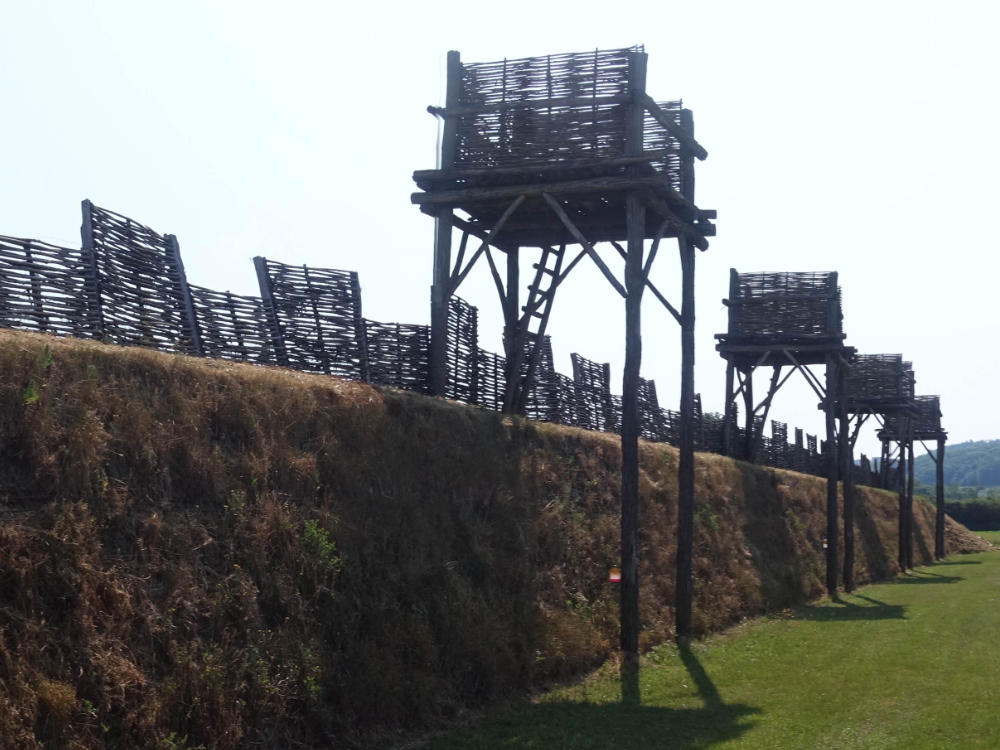
A Visit to Alesia
Alesia is part of France’s national heritage; it is where Vercingetorix lost the decisive battle against Caesar. Time and again, French politicians have been inspired by this defeat. It fuelled their will to resist and motivated France to cooperate with victorious powers. This also affected the place itself, which Ursula Kampmann visited.
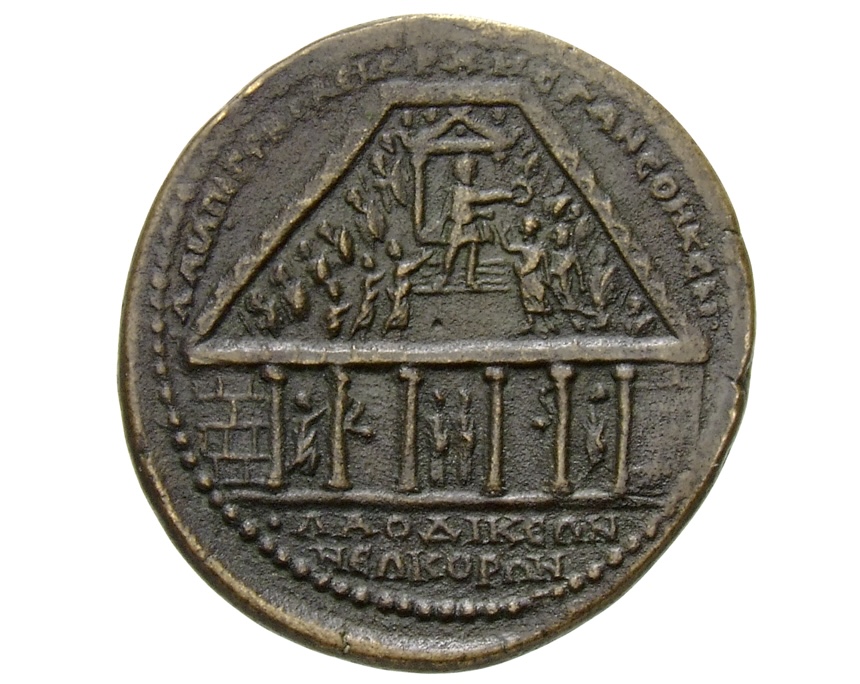
RPC Volumes V.2 and V.3 Now Available Online
The Roman Provincial Coinage project now published RPC volume V.2 and V.3 online. They cover all Roman provincial coinage issues from Pertinax to the death of Macrinus (AD 193-218) in all the Eastern provinces of the Roman Empire. This includes 11,000 type descriptions and over 45,000 coins from 317 cities!
Archive: Coins, Medals and more
 https://new.coinsweekly.com/wp-content/uploads/2025/01/2025KW05HA01_00.jpg
684
860
Lucie Loechel
https://new.coinsweekly.com/wp-content/uploads/2023/01/logo-coinsweekly_590x204.png
Lucie Loechel2025-01-29 10:30:092025-01-30 07:13:21Record! South African Rarity Leaves All Previous Top Prices Far Behind
https://new.coinsweekly.com/wp-content/uploads/2025/01/2025KW05HA01_00.jpg
684
860
Lucie Loechel
https://new.coinsweekly.com/wp-content/uploads/2023/01/logo-coinsweekly_590x204.png
Lucie Loechel2025-01-29 10:30:092025-01-30 07:13:21Record! South African Rarity Leaves All Previous Top Prices Far Behind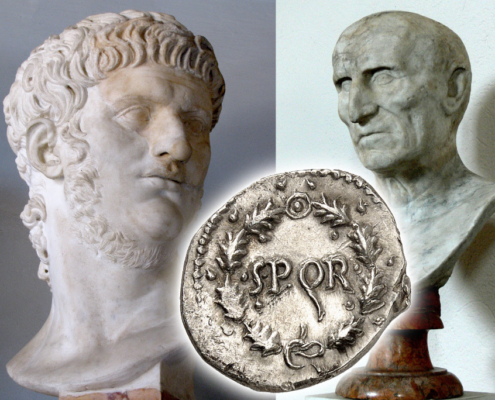 https://new.coinsweekly.com/wp-content/uploads/2024/11/2024KW45HA1_00.jpg
684
860
Bruno
https://new.coinsweekly.com/wp-content/uploads/2023/01/logo-coinsweekly_590x204.png
Bruno2024-11-07 08:49:152024-11-08 14:14:32The Roman Civil War of 68/9: The Prelude to the Year of the Four Emperors
https://new.coinsweekly.com/wp-content/uploads/2024/11/2024KW45HA1_00.jpg
684
860
Bruno
https://new.coinsweekly.com/wp-content/uploads/2023/01/logo-coinsweekly_590x204.png
Bruno2024-11-07 08:49:152024-11-08 14:14:32The Roman Civil War of 68/9: The Prelude to the Year of the Four Emperors
Will the International Coin Market Be Affected by the New US Tariff Policy?
America’s tariff regime is dominating the headlines. Yesterday morning (CET), when Ursula Kampmann wrote this article, many countries were under the threat of high punitive tariffs. As of yesterday evening (CET), this is no longer the case. But it is still interesting to consider what would happen in the coin market if punitive tariffs were imposed.
Counterfeiters of Hundreds of Thousands of Euro Coins Arrested
A large-scale counterfeiting workshop has been raided in Spain. The culprits put half a million fake 2-euro coins in circulation throughout Europe. Read on to find out how the perpetrators evaded the police for years and how you can identify the counterfeits.