











Archive: People and Markets
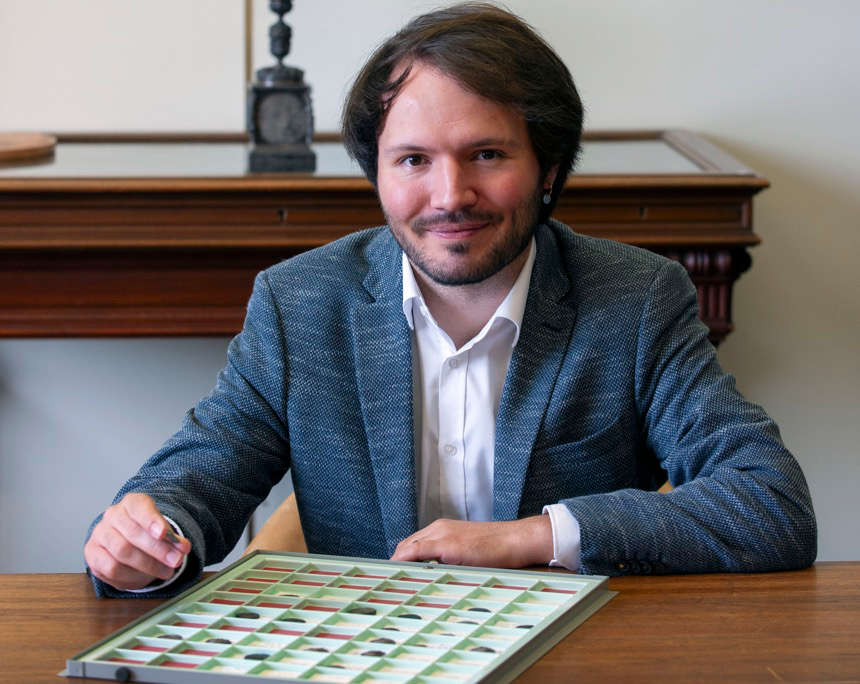
Nick Vaneerdewegh is the New Conservator of the Brussels Coin Cabinet
As of 19 August 2024, Nick Vaneerdewegh has been appointed as the new conservator of the Brussels Coin Cabinet, which houses one of the finest public numismatic collections in the world.
Numisstaxx: The Launch of a New Innovative Platform
The new platform Numisstaxx aims to allow its users to easily digitalize and share coins and create certificates of authenticity in a forgery-proof environment.
Archive: Coins, Medals and more
 https://new.coinsweekly.com/wp-content/uploads/2023/06/00ab.jpg
486
1000
Bruno
https://new.coinsweekly.com/wp-content/uploads/2023/01/logo-coinsweekly_590x204.png
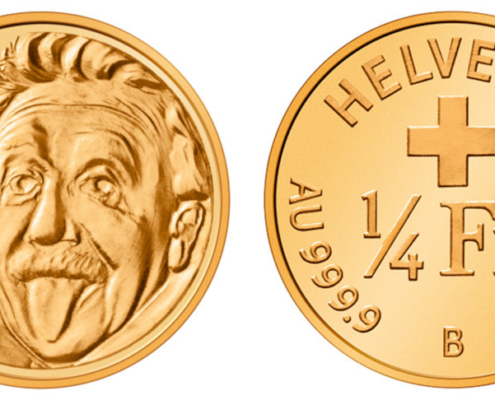
Bruno2022-06-13 13:27:592023-06-29 11:34:06Swissmint, a Mint of Records
https://new.coinsweekly.com/wp-content/uploads/2023/06/00ab.jpg
486
1000
Bruno
https://new.coinsweekly.com/wp-content/uploads/2023/01/logo-coinsweekly_590x204.png
Bruno2022-06-13 13:27:592023-06-29 11:34:06Swissmint, a Mint of Records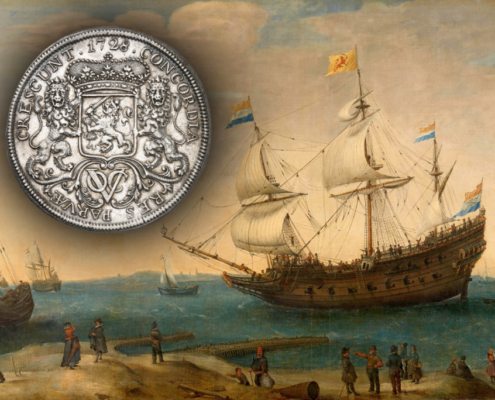 https://new.coinsweekly.com/wp-content/uploads/2025/02/2025KW09HA01_00.jpg
684
860
Lucie Loechel
https://new.coinsweekly.com/wp-content/uploads/2023/01/logo-coinsweekly_590x204.png
Lucie Loechel2025-02-27 10:27:202025-02-27 12:01:04VOC: The Other Side of the Dutch Golden Age
https://new.coinsweekly.com/wp-content/uploads/2025/02/2025KW09HA01_00.jpg
684
860
Lucie Loechel
https://new.coinsweekly.com/wp-content/uploads/2023/01/logo-coinsweekly_590x204.png
Lucie Loechel2025-02-27 10:27:202025-02-27 12:01:04VOC: The Other Side of the Dutch Golden Age
Greysheet Launches Red Book Podcast Series
Greysheet launched The Red Book Podcast, a new online series hosted by John Feigenbaum and Jeff Garrett. The podcast delves into the rich history and fascinating stories surrounding the legendary A Guide Book of United States Coins, affectionately known as the “Red Book”.
Spring Sberatel Fair 2024
The spring edition of the Sberatel collector fair will take place on March 22 and 23 – the perfect opportunity to combine your hobby with a trip to beautiful Prague!