











Archive: People and Markets
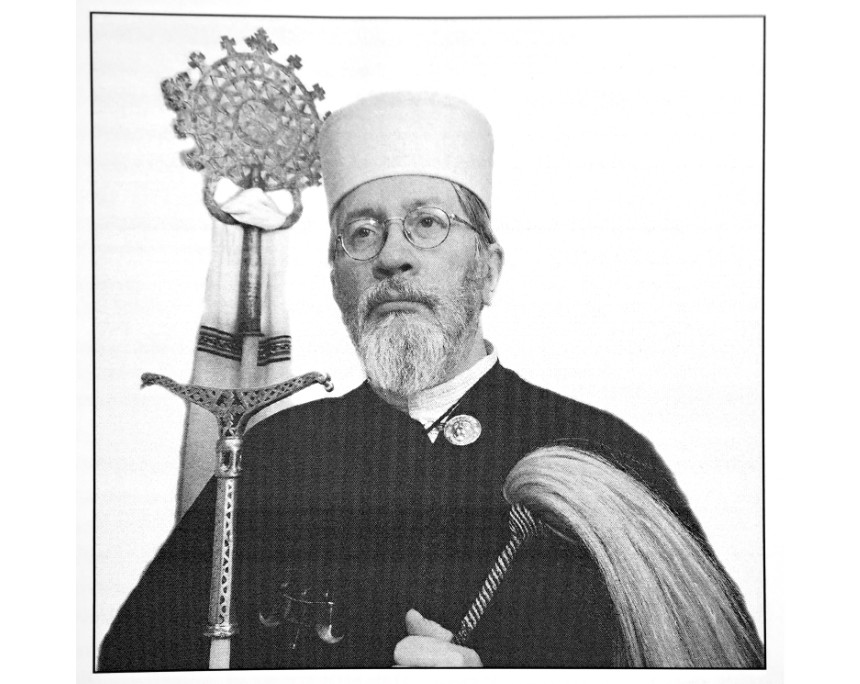
Celebrating Wolfgang Hahn’s 80th Birthday
There are numismatists who are an integral part of the numismatic world. One of them is Wolfgang Hahn, who shaped the fate of the Department of Numismatics and Monetary History in Vienna from 1990 to 2010. On 12 March 2025, he celebrated his 80th birthday.
COTY Awards Have an In-Person Ceremony Again
For many years the Coin of the Year Awards have been given in a ceremony during the World Money Fair in Berlin. In 2023, the program will conduct again an in-person awards ceremony after a three-year hiatus due to the pandemic – but in another place.
Archive: Coins, Medals and more
 https://new.coinsweekly.com/wp-content/uploads/2024/11/2024KW48HA_00.jpg
684
860
Lucie Loechel
https://new.coinsweekly.com/wp-content/uploads/2023/01/logo-coinsweekly_590x204.png
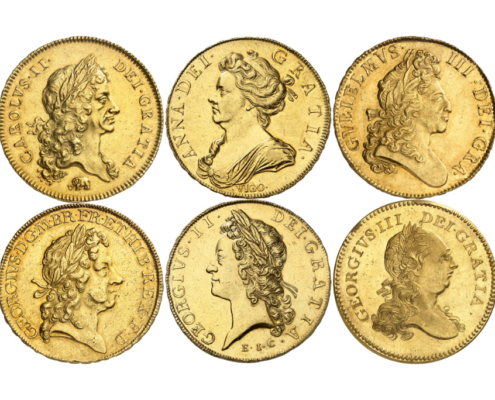
Lucie Loechel2024-11-28 11:11:542024-11-28 11:42:25Royal Gold: England’s Five Guineas and the English Gold Currency
https://new.coinsweekly.com/wp-content/uploads/2024/11/2024KW48HA_00.jpg
684
860
Lucie Loechel
https://new.coinsweekly.com/wp-content/uploads/2023/01/logo-coinsweekly_590x204.png
Lucie Loechel2024-11-28 11:11:542024-11-28 11:42:25Royal Gold: England’s Five Guineas and the English Gold Currency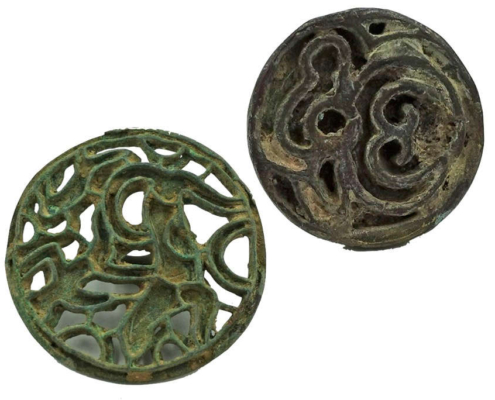 https://new.coinsweekly.com/wp-content/uploads/2024/02/2024KW06HA_00.jpg
684
860
Ursula Kampmann
https://new.coinsweekly.com/wp-content/uploads/2023/01/logo-coinsweekly_590x204.png
Ursula Kampmann2024-02-08 10:49:082024-02-08 13:52:53The St. Croix Collection of Baktrian Seals
https://new.coinsweekly.com/wp-content/uploads/2024/02/2024KW06HA_00.jpg
684
860
Ursula Kampmann
https://new.coinsweekly.com/wp-content/uploads/2023/01/logo-coinsweekly_590x204.png
Ursula Kampmann2024-02-08 10:49:082024-02-08 13:52:53The St. Croix Collection of Baktrian Seals
Royal Mint Unveil New Charles III Reverse Designs for Circulation Coinage
Coat of arms give way to flora and fauna: the Royal Mint have unveiled the new reverse designs for the circulation coinage of the United Kingdom. Learn more about the new designs here.
Theft at the Stockholm Royal Coin Cabinet
An audit at the Royal Coin Cabinet in Stockholm showed that a transferred 2.6 million euros worth of objects are missing. Now a former employee has to answer for theft.