






Archive: People and Markets
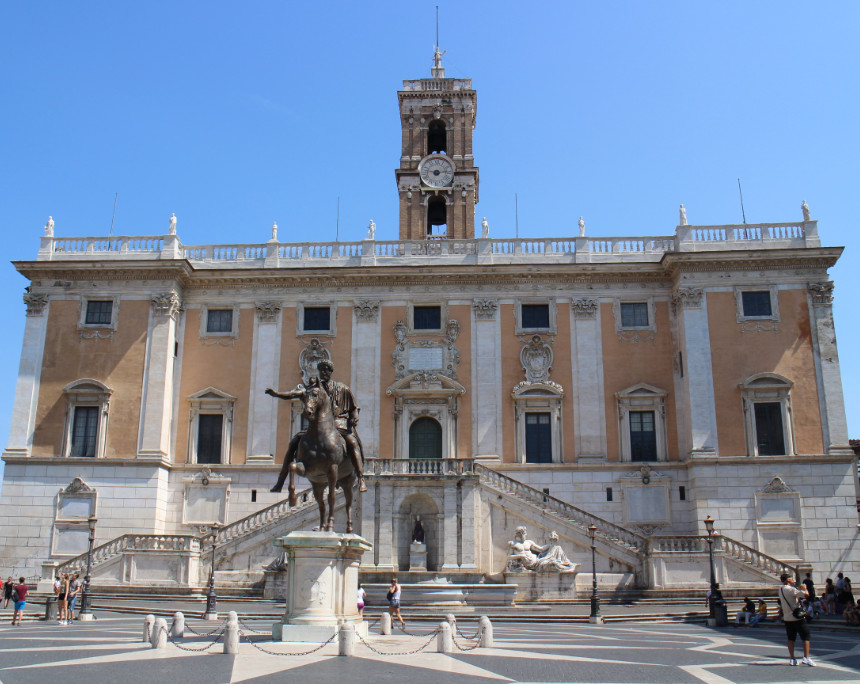
Legal Head of Italian Culture Ministry: “Fiendishly Extensive” Proofs Bar Imports
A significant statement on the importation of numismatic goods was issued in June 2023 by the legal department of the Italian Ministry of Culture. Read an analysis by Valentina Tarquini for Cultural Property News here.
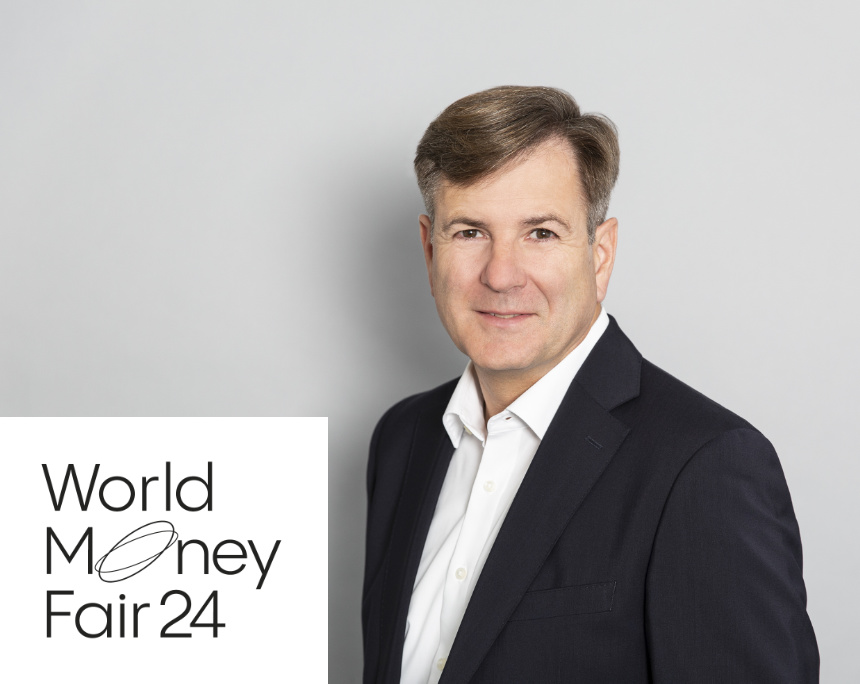
Interview: News From the World Money Fair
In 2024, a new generation takes over the leadership of the World Money Fair. Having hosted 17 successful events, Barbara Balz has handed over the reins to Goetz-Ulf Jungmichel. We talked to him to find out about the future course of the World Money Fair.
Archive: Coins, Medals and more
 https://new.coinsweekly.com/wp-content/uploads/2024/09/2024KW39HA_00.jpg
684
860
Sebastian Wieschowski
https://new.coinsweekly.com/wp-content/uploads/2023/01/logo-coinsweekly_590x204.png
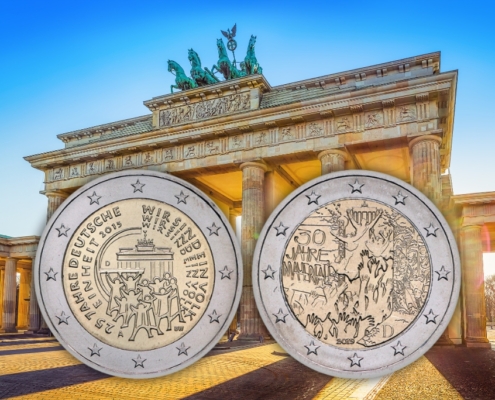
Sebastian Wieschowski2024-09-26 06:00:552024-09-26 09:25:24Unity Coin Sows Discord: More Than Just a Matter of Taste?
https://new.coinsweekly.com/wp-content/uploads/2024/09/2024KW39HA_00.jpg
684
860
Sebastian Wieschowski
https://new.coinsweekly.com/wp-content/uploads/2023/01/logo-coinsweekly_590x204.png
Sebastian Wieschowski2024-09-26 06:00:552024-09-26 09:25:24Unity Coin Sows Discord: More Than Just a Matter of Taste? https://new.coinsweekly.com/wp-content/uploads/2024/10/2024KW40HA1_00.jpg
684
860
Bruno
https://new.coinsweekly.com/wp-content/uploads/2023/01/logo-coinsweekly_590x204.png
Bruno2024-10-02 13:27:042024-10-02 15:38:36Frederick III of Denmark and Eben Ezer
https://new.coinsweekly.com/wp-content/uploads/2024/10/2024KW40HA1_00.jpg
684
860
Bruno
https://new.coinsweekly.com/wp-content/uploads/2023/01/logo-coinsweekly_590x204.png
Bruno2024-10-02 13:27:042024-10-02 15:38:36Frederick III of Denmark and Eben Ezer
World’s Fair of Money Convention Medal 2023
The 2023 World’s Fair of Money will have a special Convention Medal. Medallic artist Jamie Franki has designed a medal featuring what makes the conventions’s location Pittsburgh unique in the world.
Verdicts in the Dresden Jewel Heist Case
More than three years after the spectacular burglary at Dresden’s Green Vault, the Dresden Regional Court handed down a verdict on 16 May 2023. The return of part of the loot has paid off for the defendants. But many questions are still open.