






Archive: People and Markets
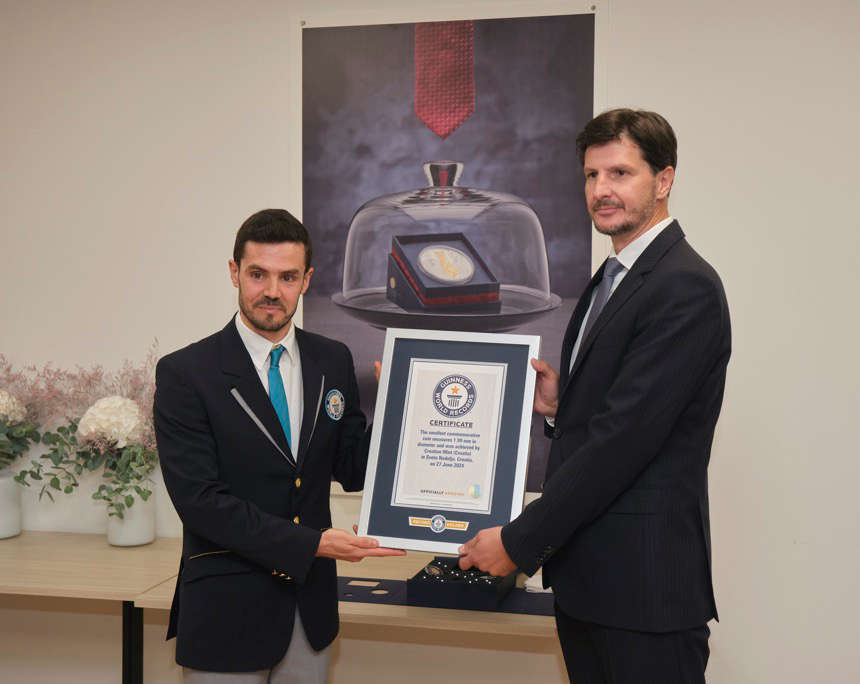
The World’s Smallest Coin
Now it is official: Croatia’s 1-kuna coin dedicated to the town of Hum holds the Guinness World Record as the world’s smallest coin!
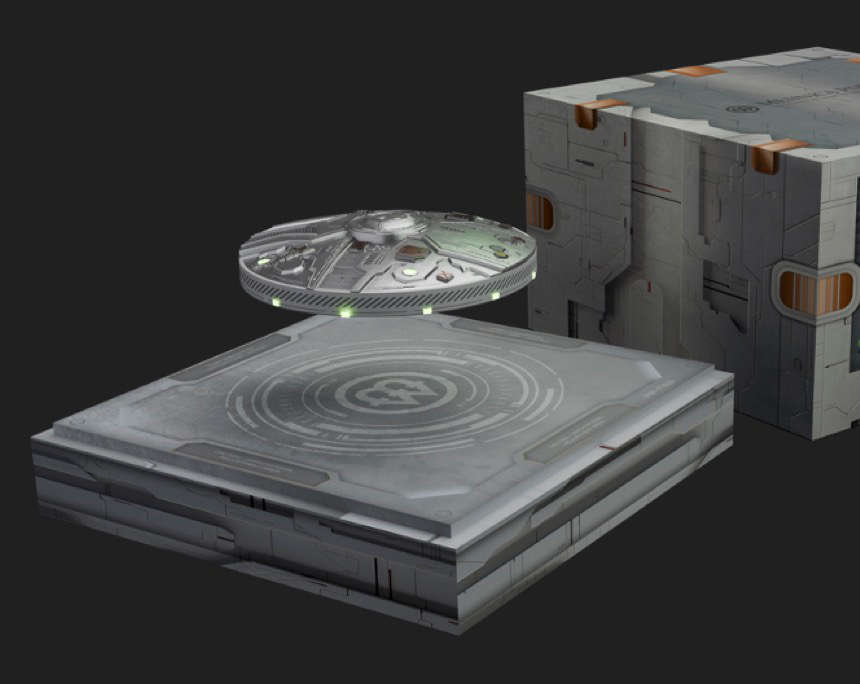
Space Premiere – Mint of Poland Created the World’s First Flying Coin
The Mint of Poland presented the UFO MP-1766 at the World Money Fair 2024, which is said to be the first flying coin in the World. The coin is lifted by an internal motor and, upon interaction with a specially designed base, it levitates due to the magnetic field generated between them.
Archive: Coins, Medals and more
 https://new.coinsweekly.com/wp-content/uploads/2025/05/2025KW22HA01_00.jpg
684
860
Lucie Loechel
https://new.coinsweekly.com/wp-content/uploads/2023/01/logo-coinsweekly_590x204.png
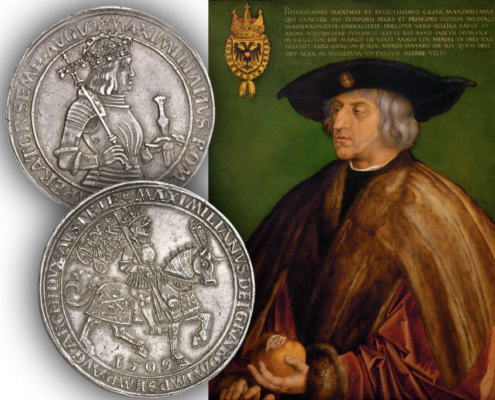
Lucie Loechel2025-05-28 10:29:402025-05-28 10:29:40Maximilian: The Last Knight and / or a Bankrupt
https://new.coinsweekly.com/wp-content/uploads/2025/05/2025KW22HA01_00.jpg
684
860
Lucie Loechel
https://new.coinsweekly.com/wp-content/uploads/2023/01/logo-coinsweekly_590x204.png
Lucie Loechel2025-05-28 10:29:402025-05-28 10:29:40Maximilian: The Last Knight and / or a Bankrupt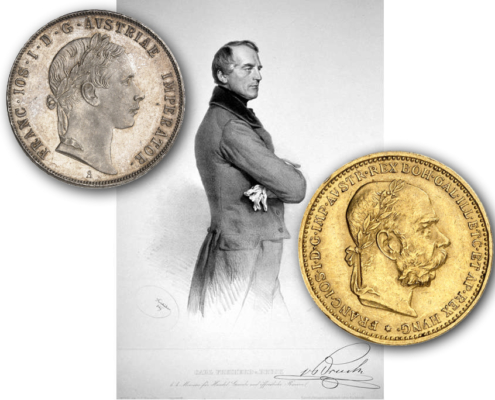 https://new.coinsweekly.com/wp-content/uploads/2024/03/2024KW12bHA_00.jpg
684
860
Ursula Kampmann
https://new.coinsweekly.com/wp-content/uploads/2023/01/logo-coinsweekly_590x204.png
Ursula Kampmann2024-03-21 08:00:102024-03-21 08:09:54A War Fought with Unusual Weapons: How Prussia Used Finance and Politics to Force the Habsburg Hereditary Lands Out of the German Confederation
https://new.coinsweekly.com/wp-content/uploads/2024/03/2024KW12bHA_00.jpg
684
860
Ursula Kampmann
https://new.coinsweekly.com/wp-content/uploads/2023/01/logo-coinsweekly_590x204.png
Ursula Kampmann2024-03-21 08:00:102024-03-21 08:09:54A War Fought with Unusual Weapons: How Prussia Used Finance and Politics to Force the Habsburg Hereditary Lands Out of the German Confederation
Verdicts in the Dresden Jewel Heist Case
More than three years after the spectacular burglary at Dresden’s Green Vault, the Dresden Regional Court handed down a verdict on 16 May 2023. The return of part of the loot has paid off for the defendants. But many questions are still open.
Are Things Becoming Too Colourful? France and Portugal Issue 2-Euro Colour Coins
After six years, two Eurozone countries make use of the opportunity to design commemorative 2-euro coins with a special effect. Until now, official 2-euro coins with colour have been an absolute exception – for they are not at all liked to be seen in Brussels.