











Archive: People and Markets
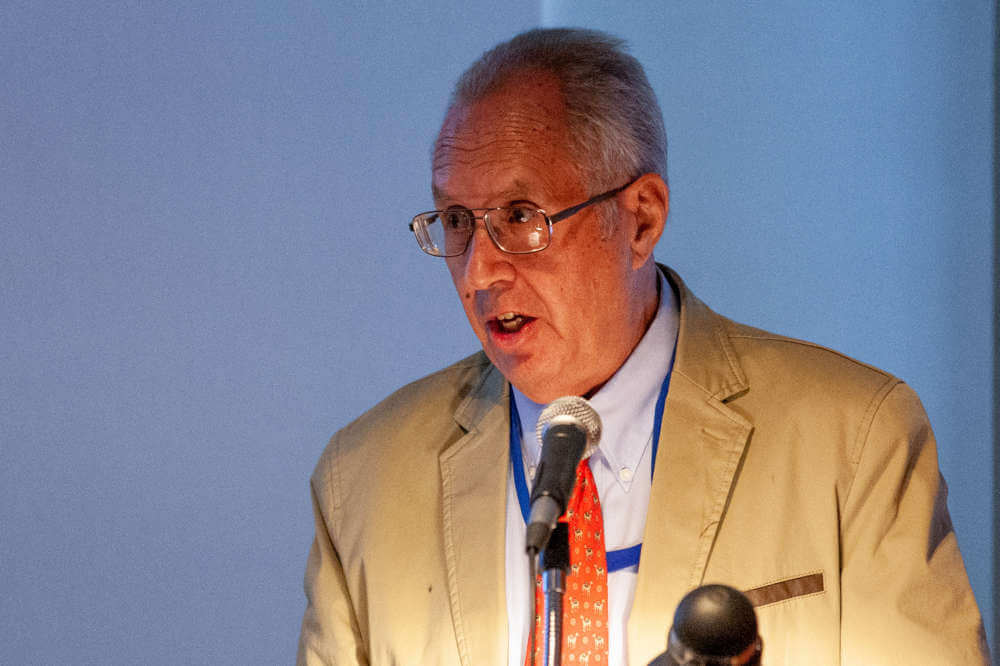
Jere L. Bacharach (1938-2023)
Jere L. Bacharach, expert on Islamic numismatics, died in April 2023. The ANS remembers its long-time member of the Board of Trustees, and an invaluable scholar of the numismatic community and Middle Eastern studies.
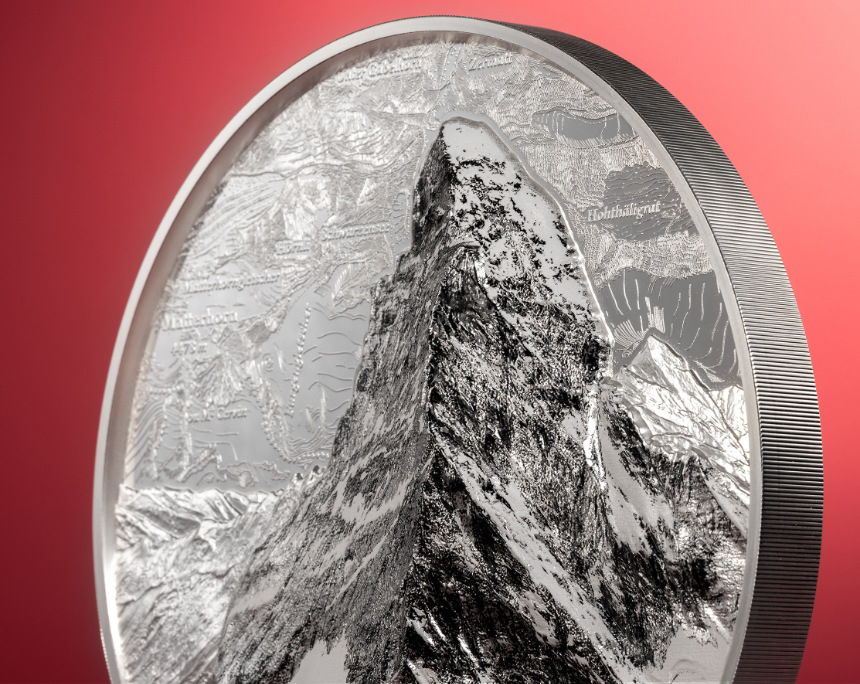
CIT’s Matterhorn – 2 Kilo Edition
If you have ever stood in front of the Matterhorn, you will never forget the sight. CIT created a striking tribute to the iconic mountain, reproduced to scale with an incredible relief of 14 mm.
Archive: Coins, Medals and more
 https://new.coinsweekly.com/wp-content/uploads/2024/02/2024KW06HA_00.jpg
684
860
Ursula Kampmann
https://new.coinsweekly.com/wp-content/uploads/2023/01/logo-coinsweekly_590x204.png
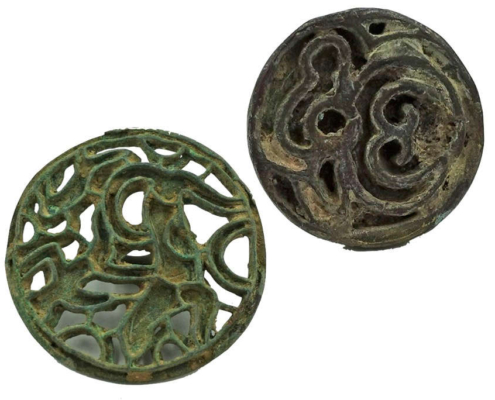
Ursula Kampmann2024-02-08 10:49:082024-02-08 13:52:53The St. Croix Collection of Baktrian Seals
https://new.coinsweekly.com/wp-content/uploads/2024/02/2024KW06HA_00.jpg
684
860
Ursula Kampmann
https://new.coinsweekly.com/wp-content/uploads/2023/01/logo-coinsweekly_590x204.png
Ursula Kampmann2024-02-08 10:49:082024-02-08 13:52:53The St. Croix Collection of Baktrian Seals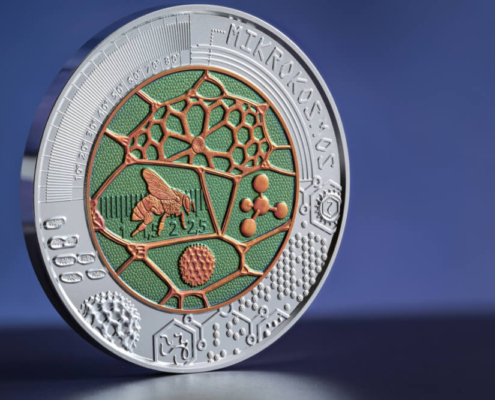 https://new.coinsweekly.com/wp-content/uploads/2023/06/00_shutterstock_1926678794-Kopie.jpg
667
1000
Bruno
https://new.coinsweekly.com/wp-content/uploads/2023/01/logo-coinsweekly_590x204.png
Bruno2022-06-13 11:36:162023-07-03 12:01:36Coloured Metal from Austria: Niobium Coins
https://new.coinsweekly.com/wp-content/uploads/2023/06/00_shutterstock_1926678794-Kopie.jpg
667
1000
Bruno
https://new.coinsweekly.com/wp-content/uploads/2023/01/logo-coinsweekly_590x204.png
Bruno2022-06-13 11:36:162023-07-03 12:01:36Coloured Metal from Austria: Niobium Coins
Coins and Mints in Avignon Between Provence and Papacy
The French Society for Numismatic and Archaeological Studies (SÉNA) published the proceedings of their 2017 colloquium. The volume presents various works and studies on the coinage in and around Avignon.
Royal Canadian Mint Unveils New Effigy of Charles III
The Royal Canadian Mint have unveiled the new effigy which will be seen on Canadian circulation, collector and bullion coinage. The new likeness was revealed on the 75th birthday of His Majesty. Michael Alexander takes a closer look.