






Archive: People and Markets
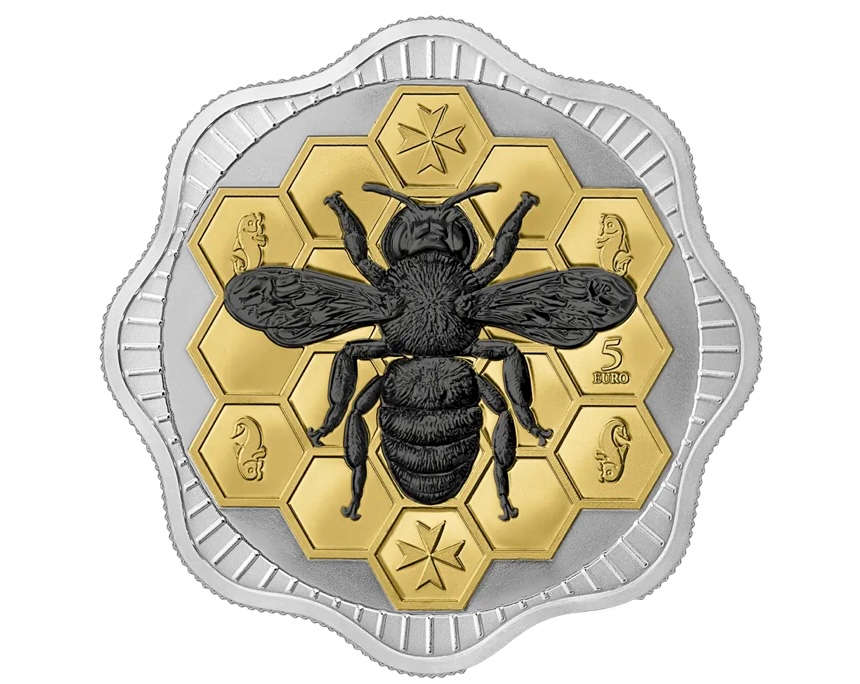
Ruthenium on Euro Commemorative Coins: Mints Turn to Innovative Finishes – with the Blessing of Central Banks
Coins with exotic precious metal coatings have long been viewed with skepticism, but Malta has now set a new trend with a galvanised commemorative coin. Other eurozone countries are also embracing innovative finishing techniques to capture contemporary tastes.
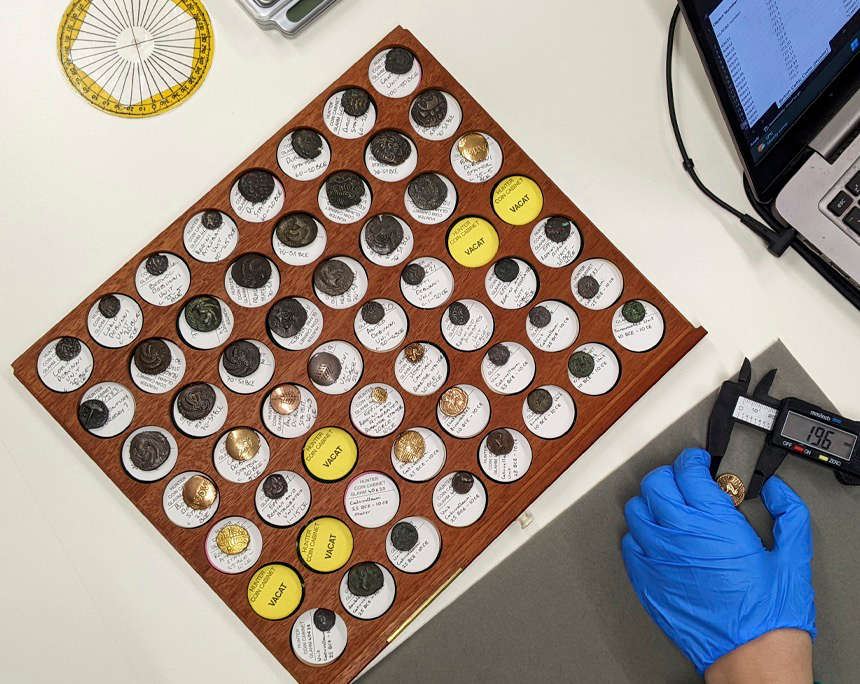
Collection of British Celtic Coins Accessible Online
A collection of Celtic British coins in the possession of The Hunterian Museum in Glasgow is now digitally catalogued and accessible worldwide, thanks to student volunteers from the University of Glasgow.
Archive: Coins, Medals and more
 https://new.coinsweekly.com/wp-content/uploads/2024/11/2024KW47HA1_00.jpg
684
860
Lucie Loechel
https://new.coinsweekly.com/wp-content/uploads/2023/01/logo-coinsweekly_590x204.png
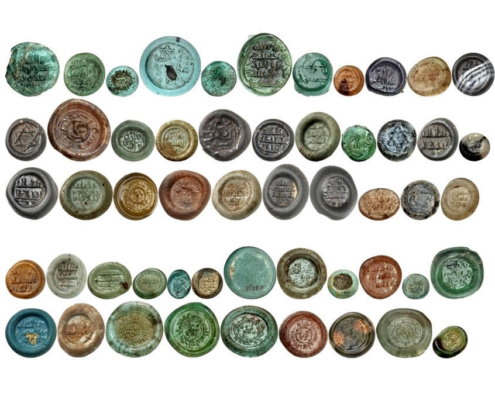
Lucie Loechel2024-11-21 10:15:332024-11-21 10:15:50Important Collection of Islamic Glass Weights at Numismatica Genevensis SA
https://new.coinsweekly.com/wp-content/uploads/2024/11/2024KW47HA1_00.jpg
684
860
Lucie Loechel
https://new.coinsweekly.com/wp-content/uploads/2023/01/logo-coinsweekly_590x204.png
Lucie Loechel2024-11-21 10:15:332024-11-21 10:15:50Important Collection of Islamic Glass Weights at Numismatica Genevensis SA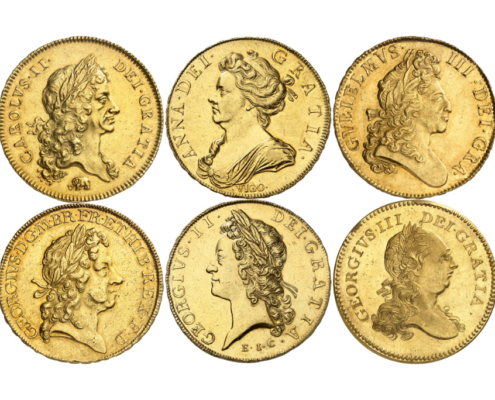 https://new.coinsweekly.com/wp-content/uploads/2024/11/2024KW48HA_00.jpg
684
860
Lucie Loechel
https://new.coinsweekly.com/wp-content/uploads/2023/01/logo-coinsweekly_590x204.png
Lucie Loechel2024-11-28 11:11:542024-11-28 11:42:25Royal Gold: England’s Five Guineas and the English Gold Currency
https://new.coinsweekly.com/wp-content/uploads/2024/11/2024KW48HA_00.jpg
684
860
Lucie Loechel
https://new.coinsweekly.com/wp-content/uploads/2023/01/logo-coinsweekly_590x204.png
Lucie Loechel2024-11-28 11:11:542024-11-28 11:42:25Royal Gold: England’s Five Guineas and the English Gold Currency
CIT’s Historical Monuments – Taj Mahal
The Taj Mahal is considered the most beautiful testimony to Islamic architecture in India and a symbol of love in stone. CIT chose this wonderful building as the subject of the 2025 issue in the Historical Monuments series.
CIT’s Iron Maiden – Piece of Mind
Again CIT pays tribute to the British heavy metal band Iron Maiden. In 2023, CIT’s coin is dedicated to the band’s fourth studio album “Piece of Mind”.