











Archive: People and Markets
Dive Into Numismatics with the Money & Medals Network’s Coin Talks
The Money & Medals Network, funded by The Royal Numismatic Society and the British Numismatic Society, offers regular online lectures on various numismatic topics, from basics to advanced. Join live or watch past presentations, like the recent one on Identifying Ancient Greek Coins, online.
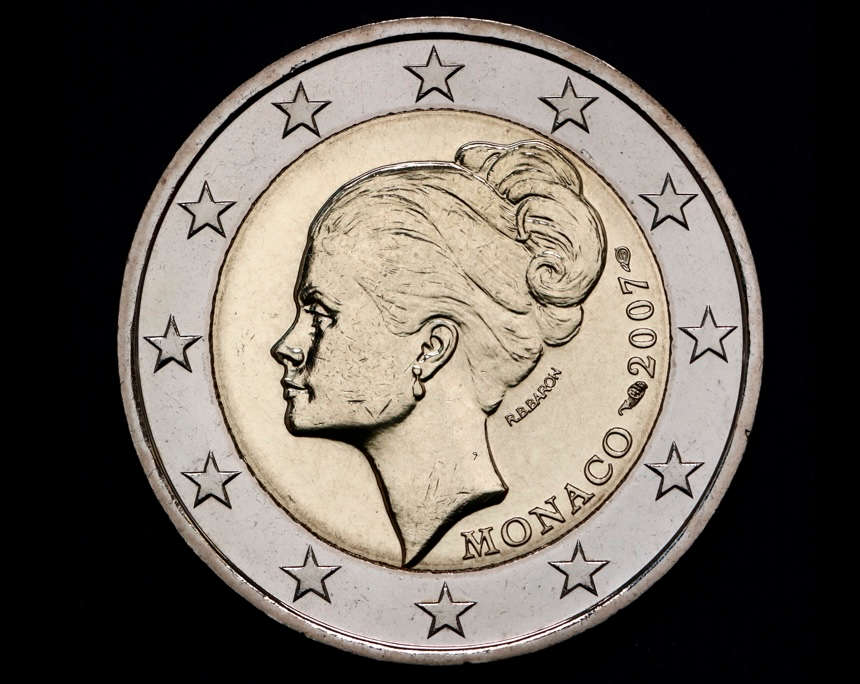
Price Decline for Monaco Euro Coins – Is the Hype Over?
For many years, Euro coins from Monaco were regarded as true treasures among collectors. The exclusive mintings from the small principality were highly sought after, with prices seemingly heading in only one direction: steeply upwards. But now that trend appears to have come to an end—why?
Archive: Coins, Medals and more
 https://new.coinsweekly.com/wp-content/uploads/2024/10/2024KW40HA2_00.jpg
684
860
Bruno
https://new.coinsweekly.com/wp-content/uploads/2023/01/logo-coinsweekly_590x204.png
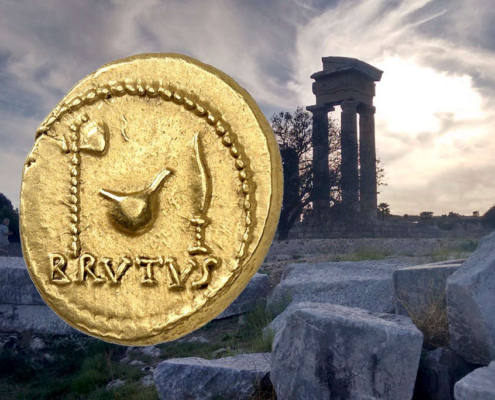
Bruno2024-10-02 13:24:392024-10-15 09:16:49Gold from Rhodes for the Battle for Rome
https://new.coinsweekly.com/wp-content/uploads/2024/10/2024KW40HA2_00.jpg
684
860
Bruno
https://new.coinsweekly.com/wp-content/uploads/2023/01/logo-coinsweekly_590x204.png
Bruno2024-10-02 13:24:392024-10-15 09:16:49Gold from Rhodes for the Battle for Rome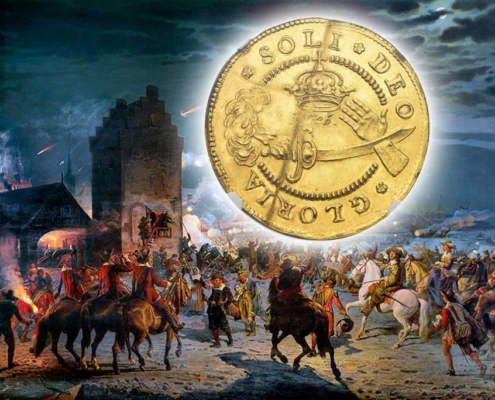 https://new.coinsweekly.com/wp-content/uploads/2024/10/2024KW40HA1_00.jpg
684
860
Bruno
https://new.coinsweekly.com/wp-content/uploads/2023/01/logo-coinsweekly_590x204.png
Bruno2024-10-02 13:27:042024-10-02 15:38:36Frederick III of Denmark and Eben Ezer
https://new.coinsweekly.com/wp-content/uploads/2024/10/2024KW40HA1_00.jpg
684
860
Bruno
https://new.coinsweekly.com/wp-content/uploads/2023/01/logo-coinsweekly_590x204.png
Bruno2024-10-02 13:27:042024-10-02 15:38:36Frederick III of Denmark and Eben Ezer
Sir Frederick Henniker: Notes during a visit to Egypt…
200 years ago, Sir Frederick Henniker embarked on his Grand Tour to the Middle East. His travelogue gives a vivid insight into the beginnings of cultural tourism and the antiquities trade. A specimen is currently being offered by Münzen & Medaillen GmbH.
British Museum Sets Out Plans to Digitize Fully the Collection
After the disappearance of thousands of objects, the British Museum aims to document all of their over 2 million objects within the next five years and make them available online. Mark Jones on why he wants to increase access to the objects now.