






Archive: People and Markets

Stack’s Bowers Moves Into New Hong Kong Office
Stack’s Bowers Galleries has relocated their Hong Kong headquarters. The new space is larger with a state-of-the-art auction facility. Opening will take place on October 11.
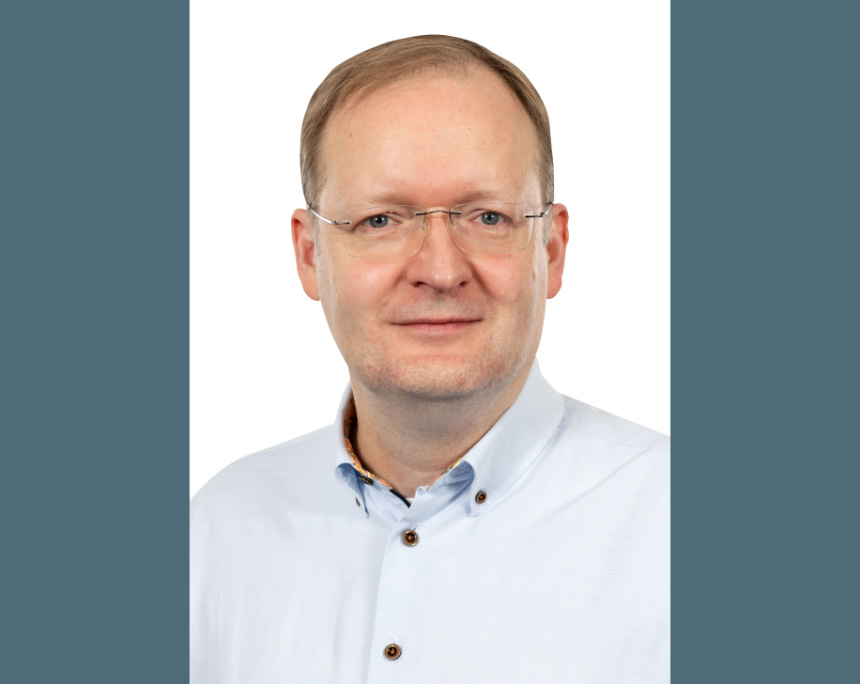
A New Member to Join the SINCONA Team: Michael Otto
The SINCONA team is excited to welcome a new member. As of 1 January 2025, Michael Otto is working at the SINCONA Group’s headquarters in Zurich. He is looking forward to taking over the position as Head of Numismatics.
Archive: Coins, Medals and more
 https://new.coinsweekly.com/wp-content/uploads/2024/01/2024KW05HA_00.jpg
684
860
Ursula Kampmann
https://new.coinsweekly.com/wp-content/uploads/2023/01/logo-coinsweekly_590x204.png
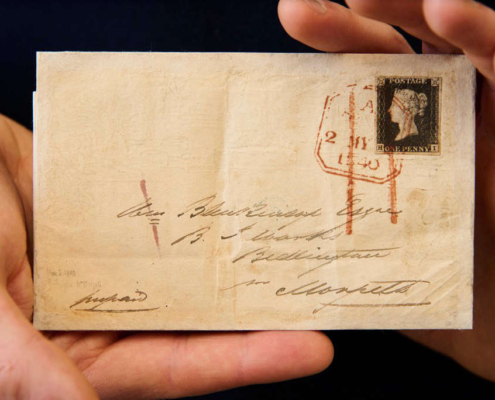
Ursula Kampmann2024-01-31 13:34:492024-01-31 13:34:49The First Piece of Mail Sent Using a Stamp to Be Offered at Sotheby’s
https://new.coinsweekly.com/wp-content/uploads/2024/01/2024KW05HA_00.jpg
684
860
Ursula Kampmann
https://new.coinsweekly.com/wp-content/uploads/2023/01/logo-coinsweekly_590x204.png
Ursula Kampmann2024-01-31 13:34:492024-01-31 13:34:49The First Piece of Mail Sent Using a Stamp to Be Offered at Sotheby’s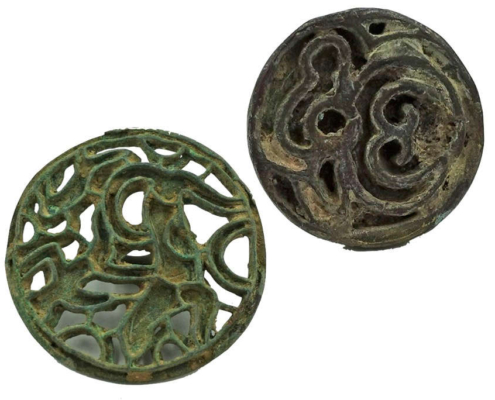 https://new.coinsweekly.com/wp-content/uploads/2024/02/2024KW06HA_00.jpg
684
860
Ursula Kampmann
https://new.coinsweekly.com/wp-content/uploads/2023/01/logo-coinsweekly_590x204.png
Ursula Kampmann2024-02-08 10:49:082024-02-08 13:52:53The St. Croix Collection of Baktrian Seals
https://new.coinsweekly.com/wp-content/uploads/2024/02/2024KW06HA_00.jpg
684
860
Ursula Kampmann
https://new.coinsweekly.com/wp-content/uploads/2023/01/logo-coinsweekly_590x204.png
Ursula Kampmann2024-02-08 10:49:082024-02-08 13:52:53The St. Croix Collection of Baktrian Seals
Pop-Up Expo at the Royal Library of Belgium: The Past in Metal
The Department of Coins & Medals at the Royal Library of Belgium (KBR) invites you on a journey through Belgium’s history via coins – from the ancient Eburones to emergency money from the Eighty Years’ War and objects used as currency in colonial Congo.
National Museum of Denmark Acquires Seven Coins of the Bruun Collection
The National Museum of Denmark used its right of first refusal to buy extremely rare coins from Lars Emil Bruun’s collection before they are to be sold at auction. Here you can see the seven extraordinary pieces!