






Archive: People and Markets
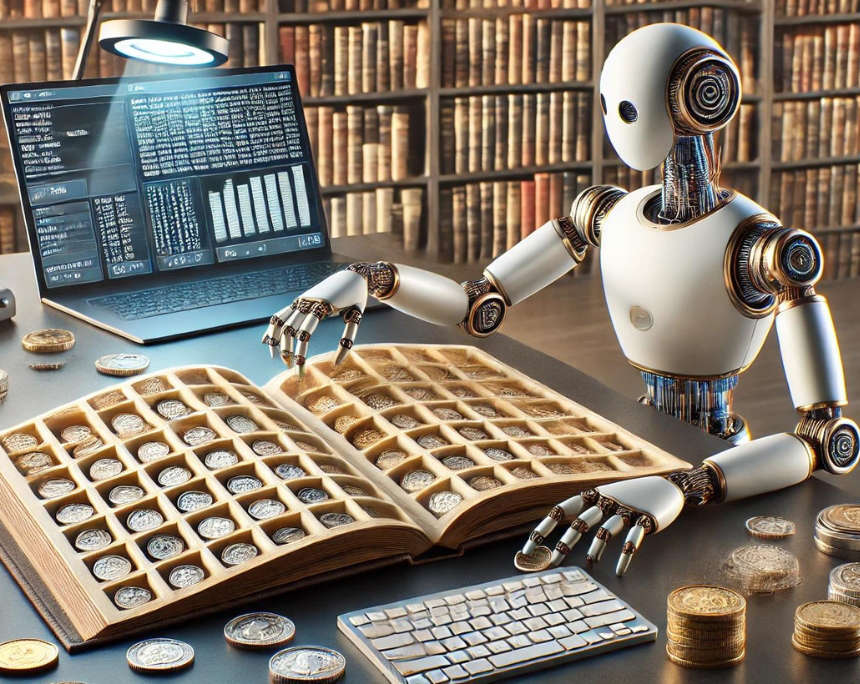
How AI Is Transforming Numismatics
Can entire numismatic reference books be written by artificial intelligence? Are ChatGPT and similar technologies becoming competitors for news portals, specialist publishers, and PR agencies? What can AI truly achieve? We put it to the test.
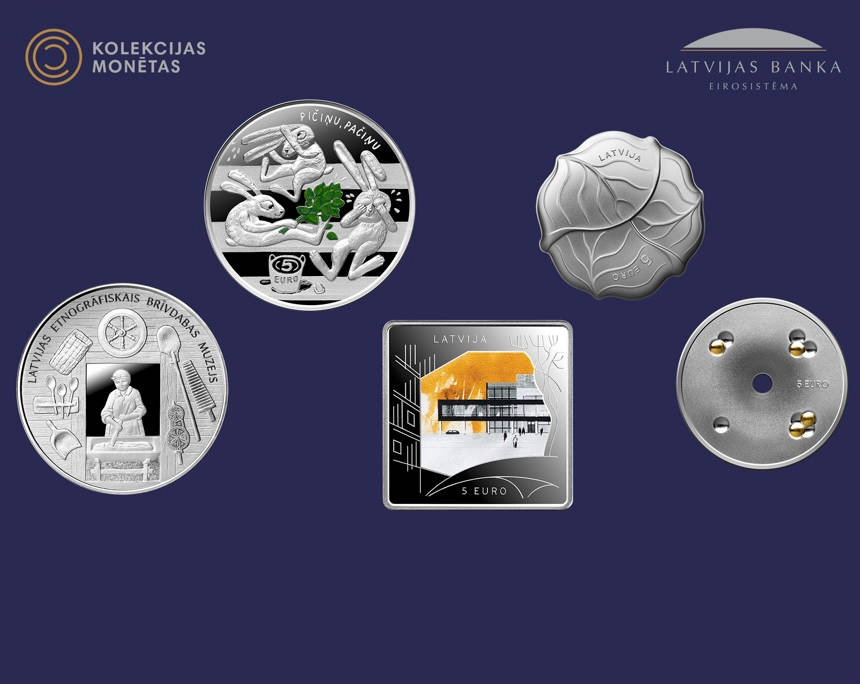
Voting for the Best Latvian Collector Coin of 2024 is Open
From 24 March to 6 April 2025, Latvijas Banka, in cooperation with the news portal Delfi, organises the traditional public vote “Latvia’s Coin of the Year 2024”. This vote will, for the 21st time, determine the public’s favourite collector coin issued during the previous year.
Archive: Coins, Medals and more
 https://new.coinsweekly.com/wp-content/uploads/2024/09/2024KW37HA_00.jpg
684
860
Ursula Kampmann
https://new.coinsweekly.com/wp-content/uploads/2023/01/logo-coinsweekly_590x204.png
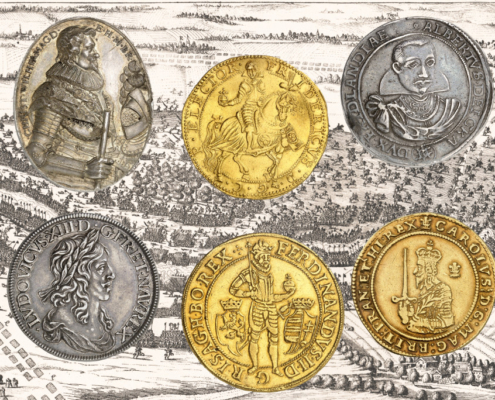
Ursula Kampmann2024-09-12 10:23:452024-09-12 10:23:45The Protagonists of the Thirty Years’ War: A Slightly Different Preview of Künker’s Auction 410
https://new.coinsweekly.com/wp-content/uploads/2024/09/2024KW37HA_00.jpg
684
860
Ursula Kampmann
https://new.coinsweekly.com/wp-content/uploads/2023/01/logo-coinsweekly_590x204.png
Ursula Kampmann2024-09-12 10:23:452024-09-12 10:23:45The Protagonists of the Thirty Years’ War: A Slightly Different Preview of Künker’s Auction 410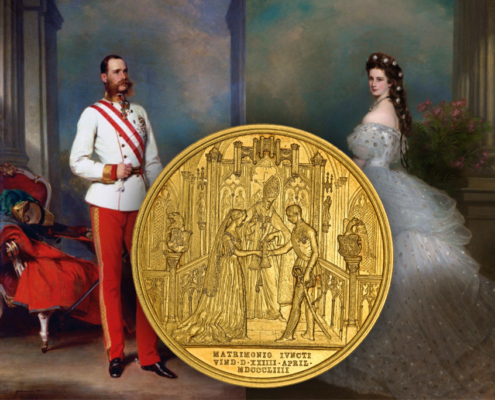 https://new.coinsweekly.com/wp-content/uploads/2024/10/2024KW41HA2_00.jpg
684
860
Bruno
https://new.coinsweekly.com/wp-content/uploads/2023/01/logo-coinsweekly_590x204.png
Bruno2024-10-10 12:00:002024-10-10 13:51:28Sisi and Franz: Commemorating the Dream Wedding that Was Actually a Nightmare
https://new.coinsweekly.com/wp-content/uploads/2024/10/2024KW41HA2_00.jpg
684
860
Bruno
https://new.coinsweekly.com/wp-content/uploads/2023/01/logo-coinsweekly_590x204.png
Bruno2024-10-10 12:00:002024-10-10 13:51:28Sisi and Franz: Commemorating the Dream Wedding that Was Actually a Nightmare
Royal Canadian Mint Unveils New Effigy of Charles III
The Royal Canadian Mint have unveiled the new effigy which will be seen on Canadian circulation, collector and bullion coinage. The new likeness was revealed on the 75th birthday of His Majesty. Michael Alexander takes a closer look.
Poetic Machines: Swissmint Honors Jean Tinguely
Steel, wheels, movement, order and chaos – Swiss artist Jean Tinguely was fascinated by the poetry of machines, which he captured in his kinetic machine sculptures. To mark what would have been his 100th birthday, Swissmint is honoring the exceptional artist with a silver coin.