






Archive: People and Markets
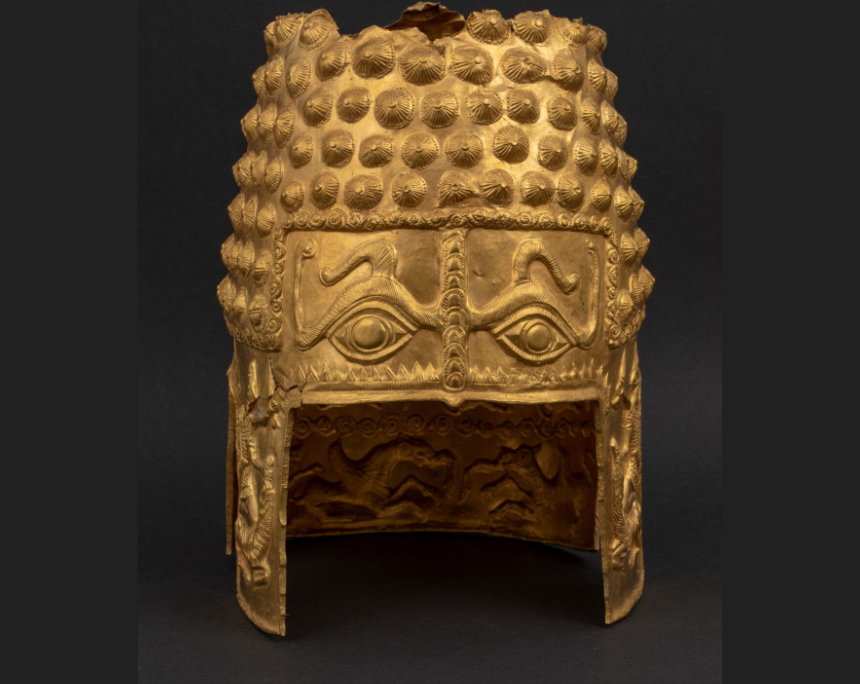
Famous Dacian Helmet Stolen – Thieves Blasted Their Way Into the Museum
On the night of 24 to 25 January, a museum in Assen, Netherlands, was targeted by thieves. They stole four important Dacian gold objects from a temporary exhibition – including the famous Coțofenești helmet. Do we have to worry about it being melted down as well?
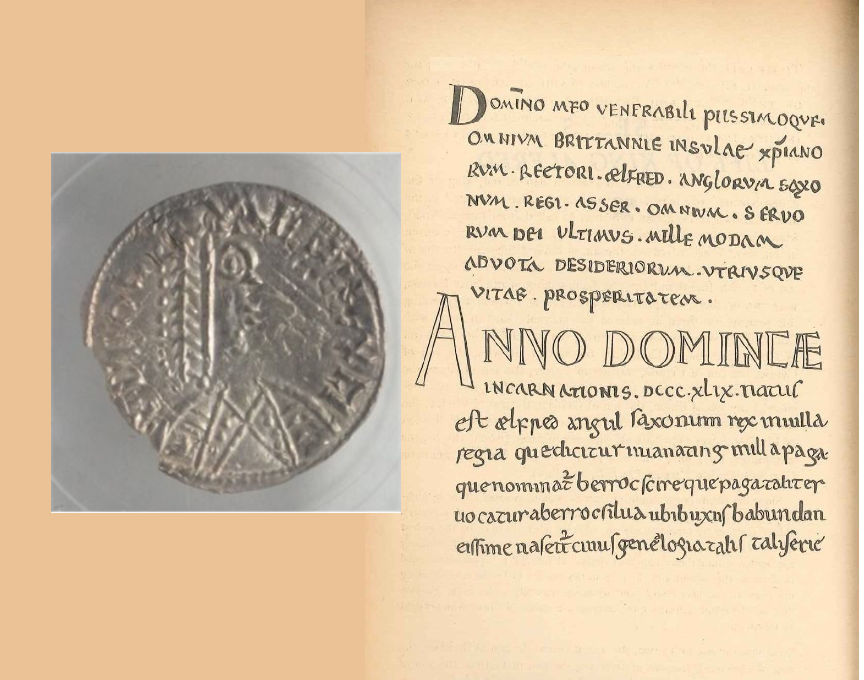
How Two Fraudsters Almost Changed England’s History
Two English metal detectorists attempted to sell off some illegally excavated coins. In a police operation straight out of a movie, the pair were caught and have now been sentenced. The seized coins present England’s King Alfred the Great in a totally different light.
Archive: Coins, Medals and more
 https://new.coinsweekly.com/wp-content/uploads/2025/06/00IMG_0657.jpg
684
860
Ursula Kampmann
https://new.coinsweekly.com/wp-content/uploads/2023/01/logo-coinsweekly_590x204.png
Ursula Kampmann2025-06-12 09:24:042025-06-12 09:38:54In Search of the Big Five
https://new.coinsweekly.com/wp-content/uploads/2025/06/00IMG_0657.jpg
684
860
Ursula Kampmann
https://new.coinsweekly.com/wp-content/uploads/2023/01/logo-coinsweekly_590x204.png
Ursula Kampmann2025-06-12 09:24:042025-06-12 09:38:54In Search of the Big Five https://new.coinsweekly.com/wp-content/uploads/2024/07/2024KW27HA_00.jpg
684
860
Ursula Kampmann
https://new.coinsweekly.com/wp-content/uploads/2023/01/logo-coinsweekly_590x204.png
Ursula Kampmann2024-07-04 10:28:022024-07-04 15:03:20Highlights from the Bruun Collection
https://new.coinsweekly.com/wp-content/uploads/2024/07/2024KW27HA_00.jpg
684
860
Ursula Kampmann
https://new.coinsweekly.com/wp-content/uploads/2023/01/logo-coinsweekly_590x204.png
Ursula Kampmann2024-07-04 10:28:022024-07-04 15:03:20Highlights from the Bruun Collection
Euro Counterfeits: Fraudsters Increasingly Target Commemorative Coins
The number of counterfeit euro coins surged dramatically in 2023, with €2 coins—particularly commemorative issues—being the primary targets. Counterfeiters are employing increasingly sophisticated techniques, while investigators are analysing new varieties to track down illegal minting operations.
Join the First International Numismatic Alliance Conference!
The first edition of the International Numismatic Alliance Conference (INAC) will be held on May 26th. This free and open for everyone online event wants to offer a new unique opportunity for everyone to delve into the fascinating world of numismatics.