






Archive: People and Markets
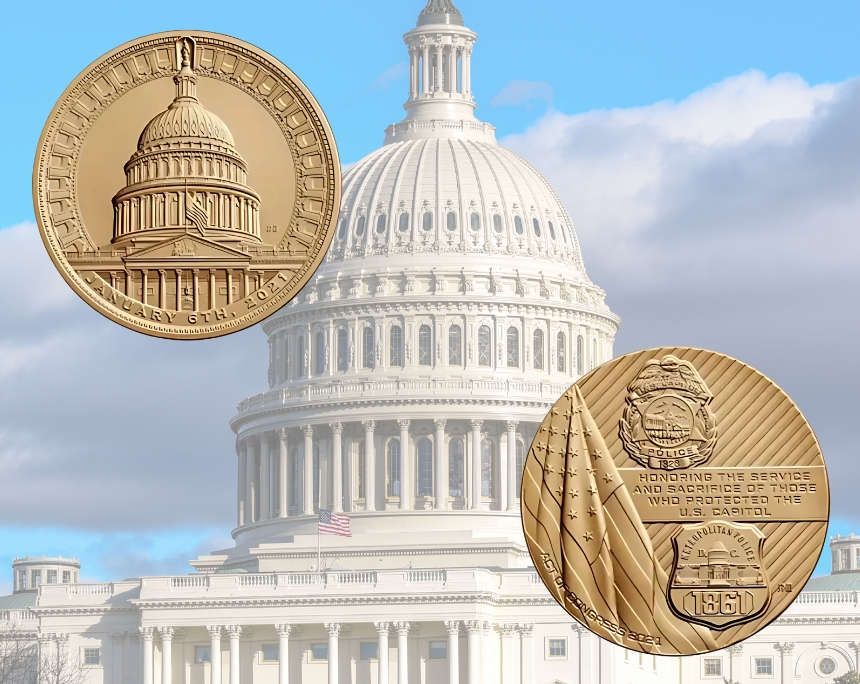
Trump’s Influence? United States Mint Removes Commemorative Medal from Store
The United States Mint has removed a commemorative medal honouring the police officers who defended the Capitol during the attack on 6 January 2021 from its website, sparking criticism.
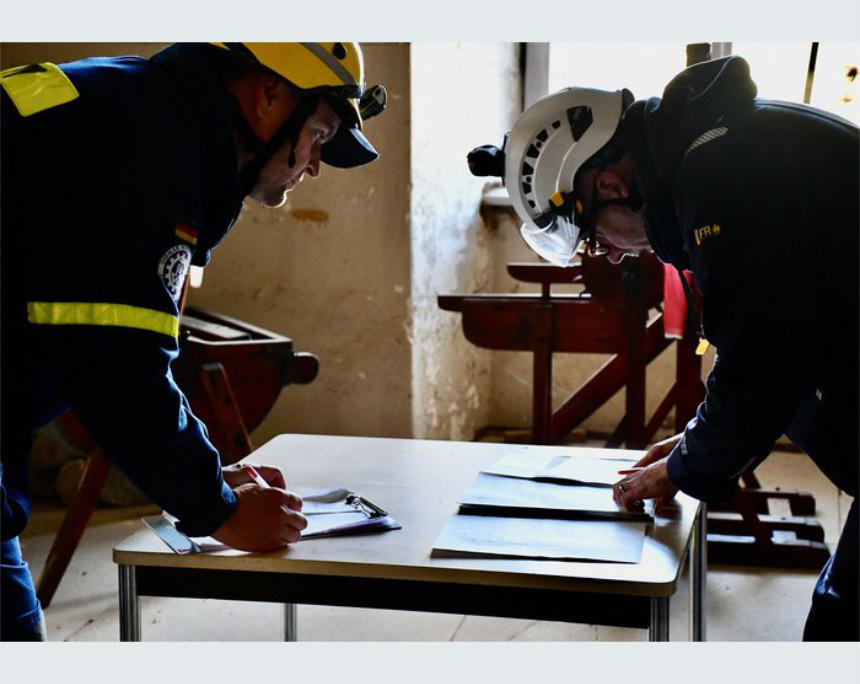
Training Exercise for Cultural Heritage Response Unit
The German Archaeological Institute (DAI), in cooperation with the German Federal Agency for Technical Relief (THW), is building an emergency response unit to provide rapid assistance in the event of disasters around the world. In a fictious earthquake scenario, experts were recently trained in how to protect and preserve cultural heritage.
Archive: Coins, Medals and more
 https://new.coinsweekly.com/wp-content/uploads/2024/11/2024KW46HA1_00.jpg
684
860
Lucie Loechel
https://new.coinsweekly.com/wp-content/uploads/2023/01/logo-coinsweekly_590x204.png
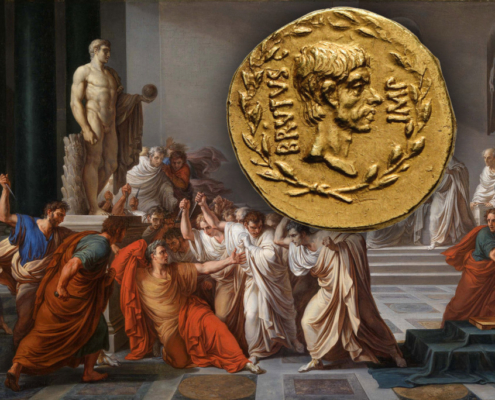
Lucie Loechel2024-11-14 10:03:272024-11-14 10:11:12The Eve of the Battle of Philippi: An Aureus Featuring the Portrait of Brutus
https://new.coinsweekly.com/wp-content/uploads/2024/11/2024KW46HA1_00.jpg
684
860
Lucie Loechel
https://new.coinsweekly.com/wp-content/uploads/2023/01/logo-coinsweekly_590x204.png
Lucie Loechel2024-11-14 10:03:272024-11-14 10:11:12The Eve of the Battle of Philippi: An Aureus Featuring the Portrait of Brutus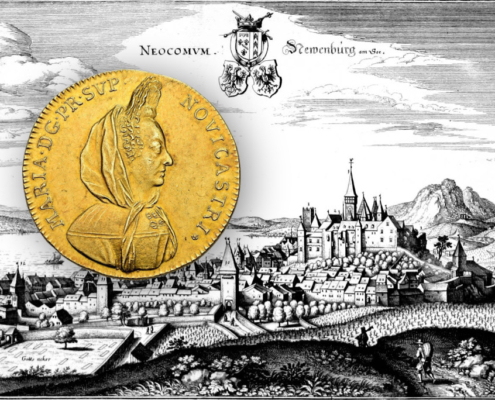 https://new.coinsweekly.com/wp-content/uploads/2024/10/2024KW41HA1_00.jpg
684
860
Lucie Loechel
https://new.coinsweekly.com/wp-content/uploads/2023/01/logo-coinsweekly_590x204.png
Lucie Loechel2024-10-10 13:41:242024-10-10 13:46:34Why Neuchâtel Is Not Part of France Today
https://new.coinsweekly.com/wp-content/uploads/2024/10/2024KW41HA1_00.jpg
684
860
Lucie Loechel
https://new.coinsweekly.com/wp-content/uploads/2023/01/logo-coinsweekly_590x204.png
Lucie Loechel2024-10-10 13:41:242024-10-10 13:46:34Why Neuchâtel Is Not Part of France Today
The Difference Between Stamps and Coins: Not as Trivial as You’d Think!
There are times when uninformed people buy anything as long as the object in question might retain its value. Disillusionment strikes when the market situation changes. The realisation that there isn’t a market for every collectible ruined many a collecting field in the past. Ursula Kampmann urges caution.
Oslo Myntgalleri Opening Sister Company in Denmark
The auction house Oslo Myntgalleri will open a sister company in Denmark with Michael Märcher as CEO. He and his team will run a traditional coin shop in Aarhus as well as a large online shop.