






Archive: People and Markets
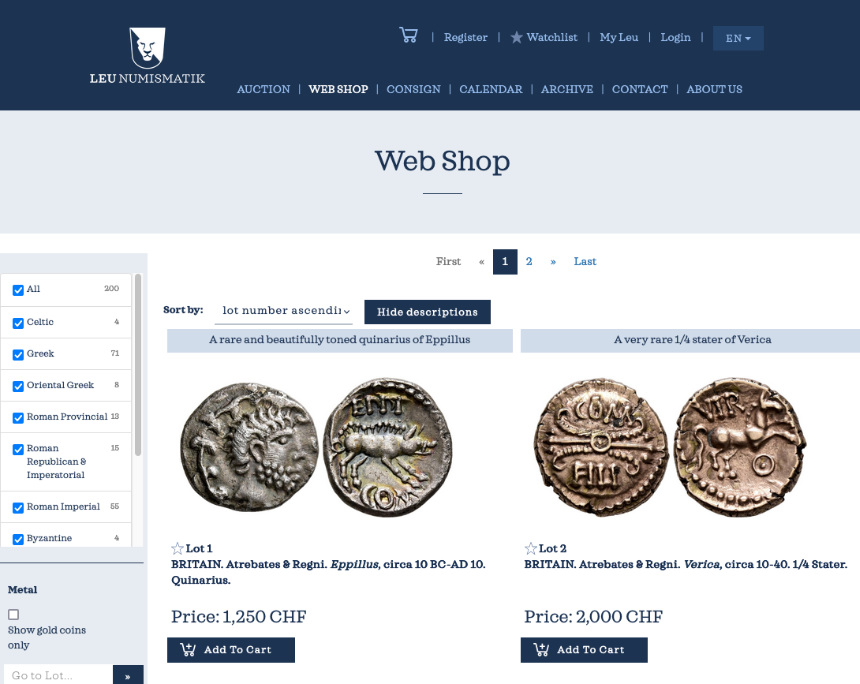
Leu Numismatik Launches Its Own Web Shop
The new Leu Numismatik Web Shop allows you to purchase selected pieces directly at any time. The inaugural selection features 200 exceptional coins spanning antiquity, the Middle Ages, and modern times.
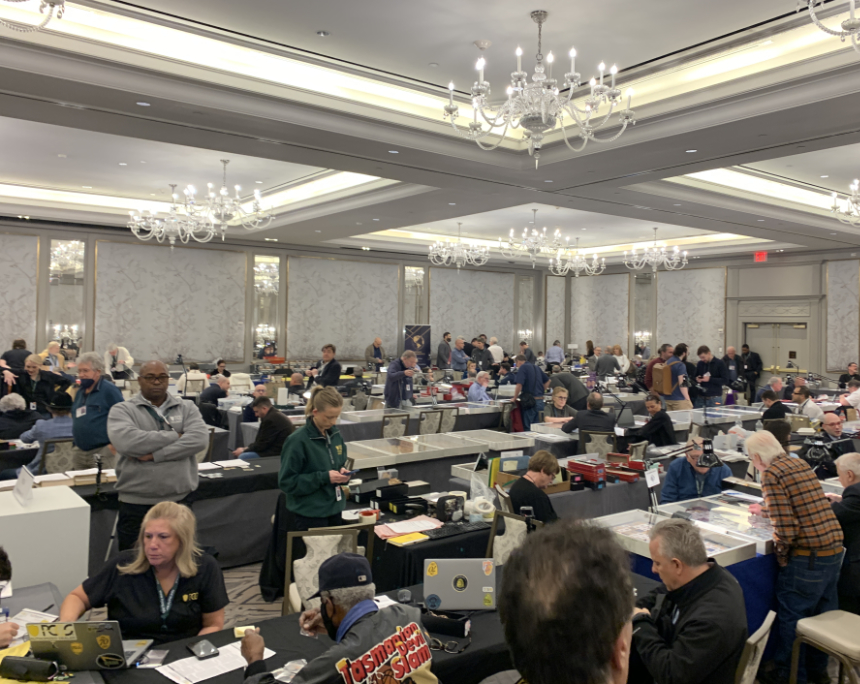
Classical Numismatics Gets Off to a Great Start to 2024 in New York
The 52nd New York International Numismatic Convention was held from 12 to 14 January at the InterContinental New York Barclay Hotel. All the “sold” signs on the dealers’ tables clearly show that classical numismatics is still in high demand.
Archive: Coins, Medals and more
 https://new.coinsweekly.com/wp-content/uploads/2024/06/2024KW26HA_00.jpg
684
860
Ursula Kampmann
https://new.coinsweekly.com/wp-content/uploads/2023/01/logo-coinsweekly_590x204.png
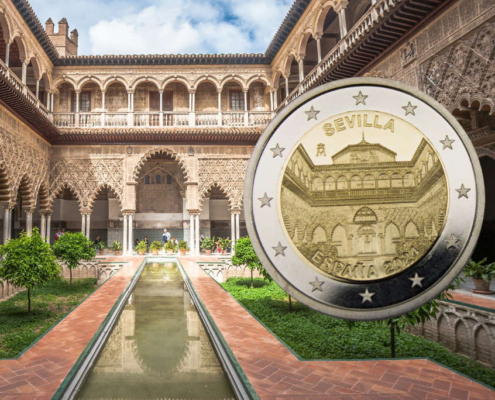
Ursula Kampmann2024-06-27 08:00:492024-06-27 09:39:25The Secret of the Success of State Quarters, UNESCO Coins and Federal State Series
https://new.coinsweekly.com/wp-content/uploads/2024/06/2024KW26HA_00.jpg
684
860
Ursula Kampmann
https://new.coinsweekly.com/wp-content/uploads/2023/01/logo-coinsweekly_590x204.png
Ursula Kampmann2024-06-27 08:00:492024-06-27 09:39:25The Secret of the Success of State Quarters, UNESCO Coins and Federal State Series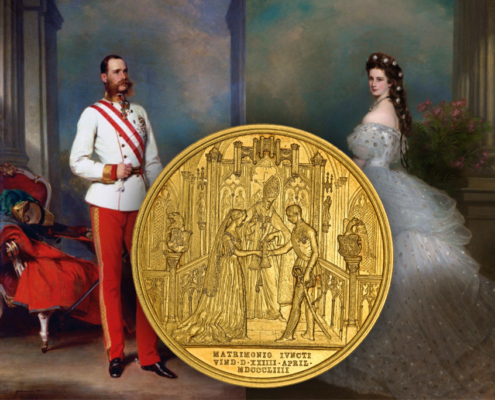 https://new.coinsweekly.com/wp-content/uploads/2024/10/2024KW41HA2_00.jpg
684
860
Bruno
https://new.coinsweekly.com/wp-content/uploads/2023/01/logo-coinsweekly_590x204.png
Bruno2024-10-10 12:00:002024-10-10 13:51:28Sisi and Franz: Commemorating the Dream Wedding that Was Actually a Nightmare
https://new.coinsweekly.com/wp-content/uploads/2024/10/2024KW41HA2_00.jpg
684
860
Bruno
https://new.coinsweekly.com/wp-content/uploads/2023/01/logo-coinsweekly_590x204.png
Bruno2024-10-10 12:00:002024-10-10 13:51:28Sisi and Franz: Commemorating the Dream Wedding that Was Actually a Nightmare
The Zurich International Coin Fair 2023
For many decades, the coin fair in Zurich has been the most important meeting point for the Swiss numismatic scene. In 2023, it was particularly crowded, as Swissmint had planned a special sale that drew many interested people.
Fakes, Counterfeits, Imitations – CoinsWeekly NYINC Special Issue
It is every coin collector’s greatest fear: the precious centerpiece of a collection turns out to be a fake. But what can you do if suspicions arise? Our new CoinsWeekly Special Issue draws attention to different aspects of fakes, counterfeits and imitations.