







Archive: People and Markets
Highly Rare in Circulation: 2-Euro Commemorative Coins from San Marino
San Marino’s circulation coins are rare – even in the small Republic itself. And San Marino also issued just a few 2-euro commemorative coins. A real challenge for collectors. Fortunately, numiscontrol has some tips.
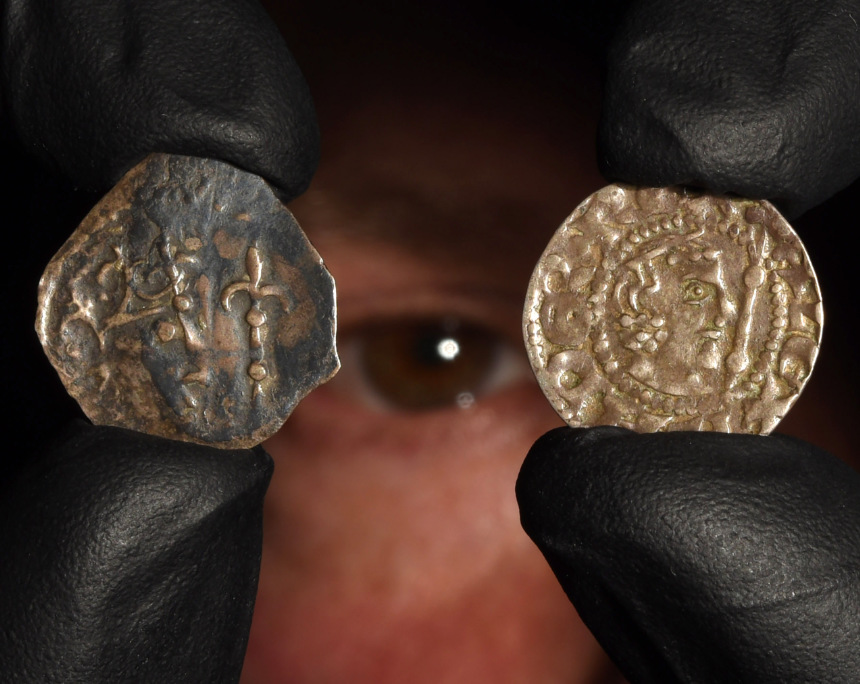
£50,000 Reward for Clues on Stolen Scottish Coin Collection
Until today, the 2007 theft of the Lord Stewartby Collection, one of the finest private collections of Scottish coins, remains unsolved. Crimestoppers and the Hunterian Museum in Glasgow are now offering up to £50,000 for information leading to the conviction of those involved.
Archive: Coins, Medals and more
 https://new.coinsweekly.com/wp-content/uploads/2024/05/2024KW22HA_00.jpg
684
860
Ursula Kampmann
https://new.coinsweekly.com/wp-content/uploads/2023/01/logo-coinsweekly_590x204.png
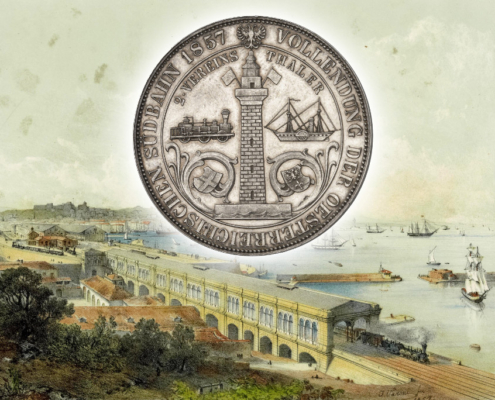
Ursula Kampmann2024-05-29 09:00:582024-05-29 15:18:10A Commemorative Coin Celebrating the Completion of Austria’s Southern Railway
https://new.coinsweekly.com/wp-content/uploads/2024/05/2024KW22HA_00.jpg
684
860
Ursula Kampmann
https://new.coinsweekly.com/wp-content/uploads/2023/01/logo-coinsweekly_590x204.png
Ursula Kampmann2024-05-29 09:00:582024-05-29 15:18:10A Commemorative Coin Celebrating the Completion of Austria’s Southern Railway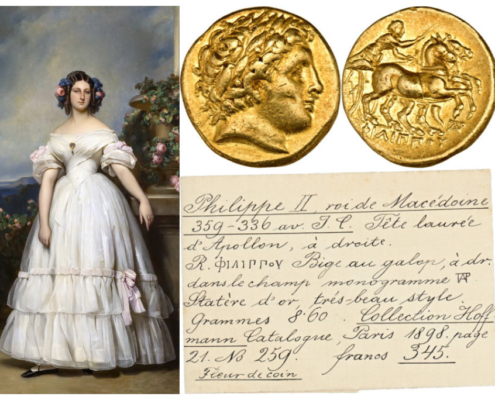 https://new.coinsweekly.com/wp-content/uploads/2024/10/2024KW43HA_00.jpg
684
860
Lucie Loechel
https://new.coinsweekly.com/wp-content/uploads/2023/01/logo-coinsweekly_590x204.png
Lucie Loechel2024-10-24 10:15:002024-10-24 13:59:31Clémentine d’Orléans: Extraordinary Woman and Coin Collector
https://new.coinsweekly.com/wp-content/uploads/2024/10/2024KW43HA_00.jpg
684
860
Lucie Loechel
https://new.coinsweekly.com/wp-content/uploads/2023/01/logo-coinsweekly_590x204.png
Lucie Loechel2024-10-24 10:15:002024-10-24 13:59:31Clémentine d’Orléans: Extraordinary Woman and Coin Collector
Numismatics for the Ears: The Royal Mint Museum Explores Britain’s Seafaring History in New Podcast
The Royal Mint Museum has launched its first-ever podcast series, called “Coins and the Sea.” The podcast is part of a wider project, which includes a temporary exhibition at The Royal Mint Experience.
Are Things Becoming Too Colourful? France and Portugal Issue 2-Euro Colour Coins
After six years, two Eurozone countries make use of the opportunity to design commemorative 2-euro coins with a special effect. Until now, official 2-euro coins with colour have been an absolute exception – for they are not at all liked to be seen in Brussels.