






Archive: People and Markets
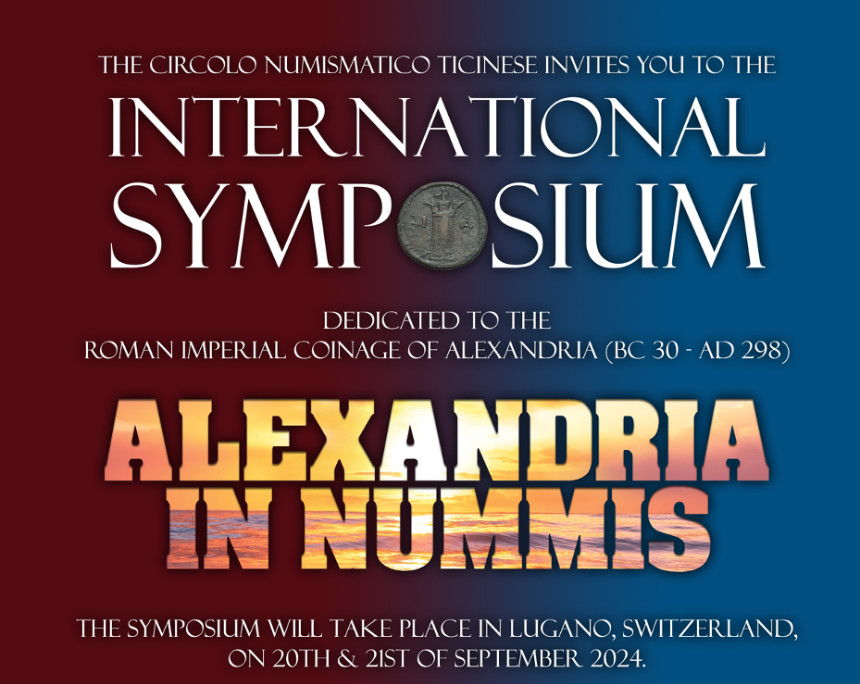
Alexandria in Nummis – International Symposium in Lugano 2024
The Circolo Numismatico Ticinese presents the program to the international symposium “Alexandria in Nummis” dedicated to the Roman Imperial Coinage of Alexandria.
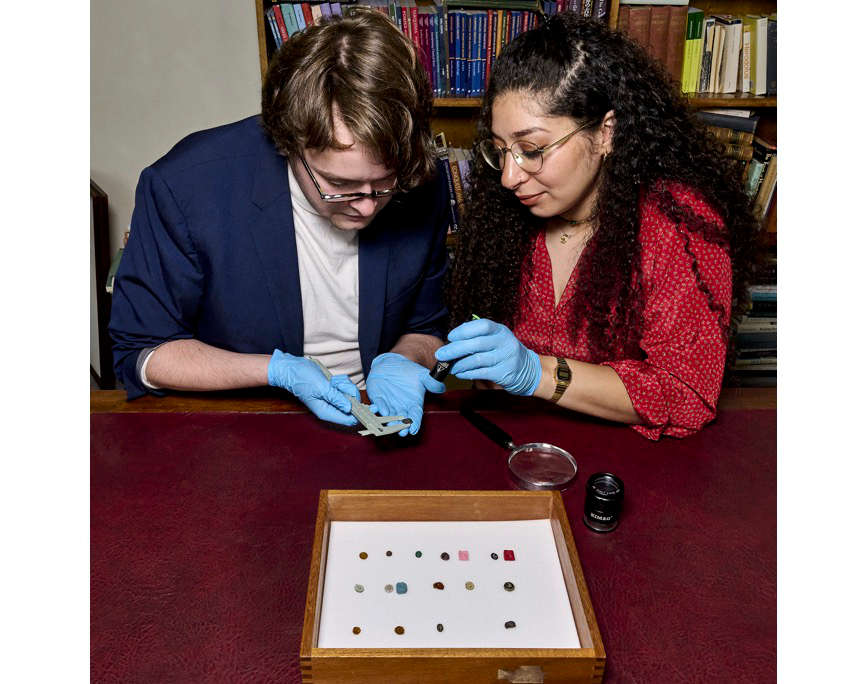
Further Recoveries of British Museum Objects
The British Museum has announced the return of a further 268 missing objects, taking the total number of recovered items to 626. The museum also confirmed that it is currently working on new leads for around 100 additional objects.
Archive: Coins, Medals and more
 https://new.coinsweekly.com/wp-content/uploads/2025/06/2025KW25HA01_00.jpg
684
860
Lucie Loechel
https://new.coinsweekly.com/wp-content/uploads/2023/01/logo-coinsweekly_590x204.png
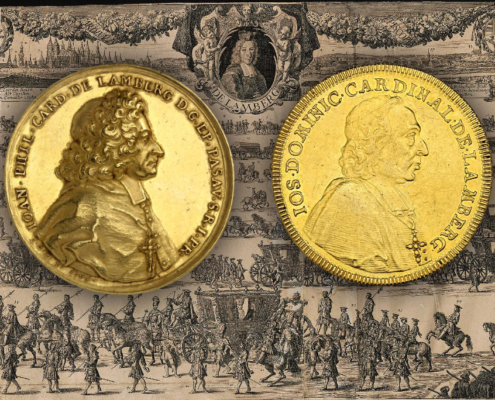
Lucie Loechel2025-06-18 09:13:002025-06-18 09:13:00Münster, Osnabrück, Passau and the Counts of Lamberg
https://new.coinsweekly.com/wp-content/uploads/2025/06/2025KW25HA01_00.jpg
684
860
Lucie Loechel
https://new.coinsweekly.com/wp-content/uploads/2023/01/logo-coinsweekly_590x204.png
Lucie Loechel2025-06-18 09:13:002025-06-18 09:13:00Münster, Osnabrück, Passau and the Counts of Lamberg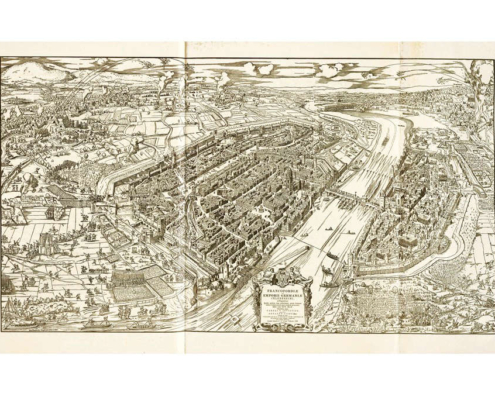 https://new.coinsweekly.com/wp-content/uploads/2023/09/2023KW38HA_00.jpg
684
860
Ursula Kampmann
https://new.coinsweekly.com/wp-content/uploads/2023/01/logo-coinsweekly_590x204.png
Ursula Kampmann2023-09-21 08:00:202023-09-21 14:13:23Two Cityscapes on Coins From Frankfurt am Main and The Artwork That Inspired Them
https://new.coinsweekly.com/wp-content/uploads/2023/09/2023KW38HA_00.jpg
684
860
Ursula Kampmann
https://new.coinsweekly.com/wp-content/uploads/2023/01/logo-coinsweekly_590x204.png
Ursula Kampmann2023-09-21 08:00:202023-09-21 14:13:23Two Cityscapes on Coins From Frankfurt am Main and The Artwork That Inspired Them
German Coins in 2026: Two New Series and a Familiar Face
The Federal Ministry of Finance has published the coin programme for 2026. Collectors can look forward to a total of twelve coin issues covering a wide thematic spectrum.
New Permanent Coin Exhibition at the Ducal Palace of Mantua
The most comprehensive collection of Mantua and Gonzaga coins and medals is now on long-term display at the Ducal Palace of Mantua. The exhibition is curated by numismatist Massimo Rossi.