






Archive: People and Markets
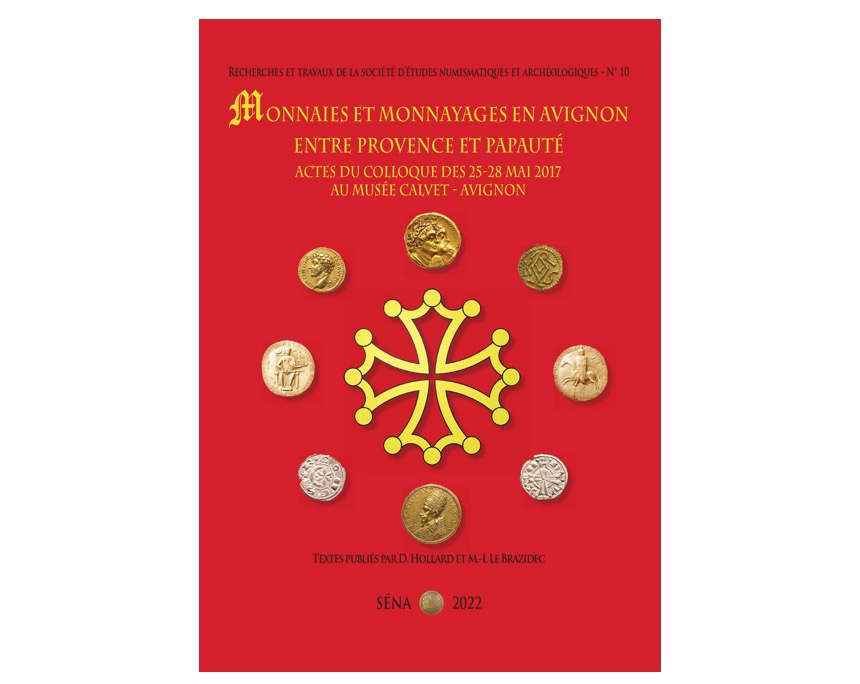
Coins and Mints in Avignon Between Provence and Papacy
The French Society for Numismatic and Archaeological Studies (SÉNA) published the proceedings of their 2017 colloquium. The volume presents various works and studies on the coinage in and around Avignon.
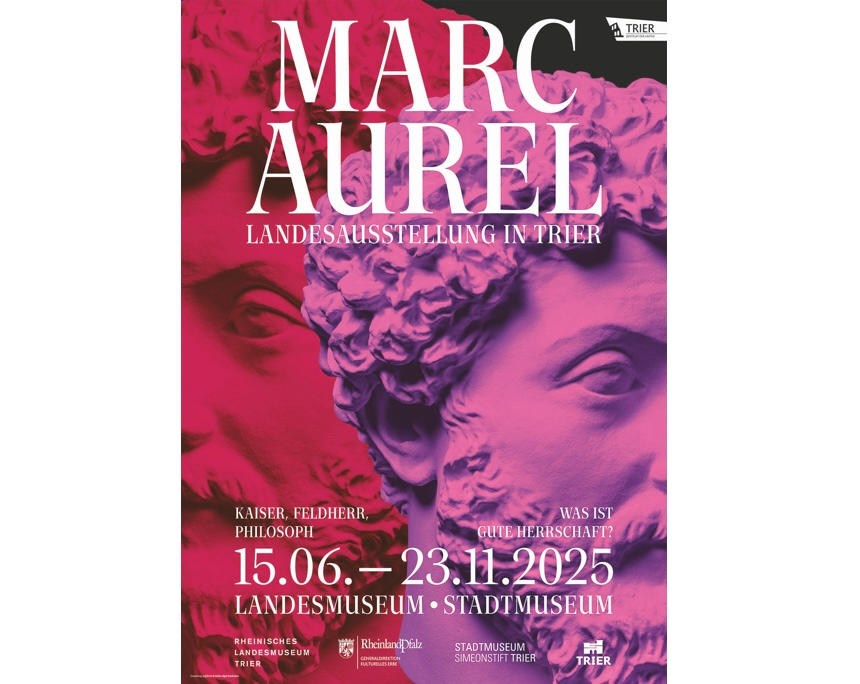
Major State Exhibition at Two Museums in Trier: Marcus Aurelius
The state exhibition on Marcus Aurelius marks the opening of another world-class exhibition on ancient Rome in Trier. Who was the man whose Meditations became world literature? And what actually makes a “good ruler”, a quality which Marcus Aurelius is often said to embody?
Archive: Coins, Medals and more
 https://new.coinsweekly.com/wp-content/uploads/2023/06/2023KW25HA01_00.jpg
750
1000
Ursula Kampmann
https://new.coinsweekly.com/wp-content/uploads/2023/01/logo-coinsweekly_590x204.png
Ursula Kampmann2023-06-21 17:00:302023-06-27 11:18:18A Discovery From Jülich-Berg
https://new.coinsweekly.com/wp-content/uploads/2023/06/2023KW25HA01_00.jpg
750
1000
Ursula Kampmann
https://new.coinsweekly.com/wp-content/uploads/2023/01/logo-coinsweekly_590x204.png
Ursula Kampmann2023-06-21 17:00:302023-06-27 11:18:18A Discovery From Jülich-Berg https://new.coinsweekly.com/wp-content/uploads/2025/02/2025KW06HA_00.jpg
684
860
Lucie Loechel
https://new.coinsweekly.com/wp-content/uploads/2023/01/logo-coinsweekly_590x204.png
Lucie Loechel2025-02-06 07:00:302025-02-06 15:38:12Coins on Coins: When Numismatic Legends Are Reborn
https://new.coinsweekly.com/wp-content/uploads/2025/02/2025KW06HA_00.jpg
684
860
Lucie Loechel
https://new.coinsweekly.com/wp-content/uploads/2023/01/logo-coinsweekly_590x204.png
Lucie Loechel2025-02-06 07:00:302025-02-06 15:38:12Coins on Coins: When Numismatic Legends Are Reborn
Zimbabwe Issues Digital Gold Tokens for Investors
The Reserve Bank of Zimbabwe offers Gold-backed digital tokens for investment. The offer closed on 10 May 2023.
Croatian Rulers – A New Coin Series
Croatia is proud of its long and rich history. The Croatian National Bank, in cooperation with the Croatian Mint, is dedicating a new coin series for collectors to their country’s history, focusing on Croatia’s rulers. The first King of Croatia was King Tomislav, who is depicted on the first coin in this series.