







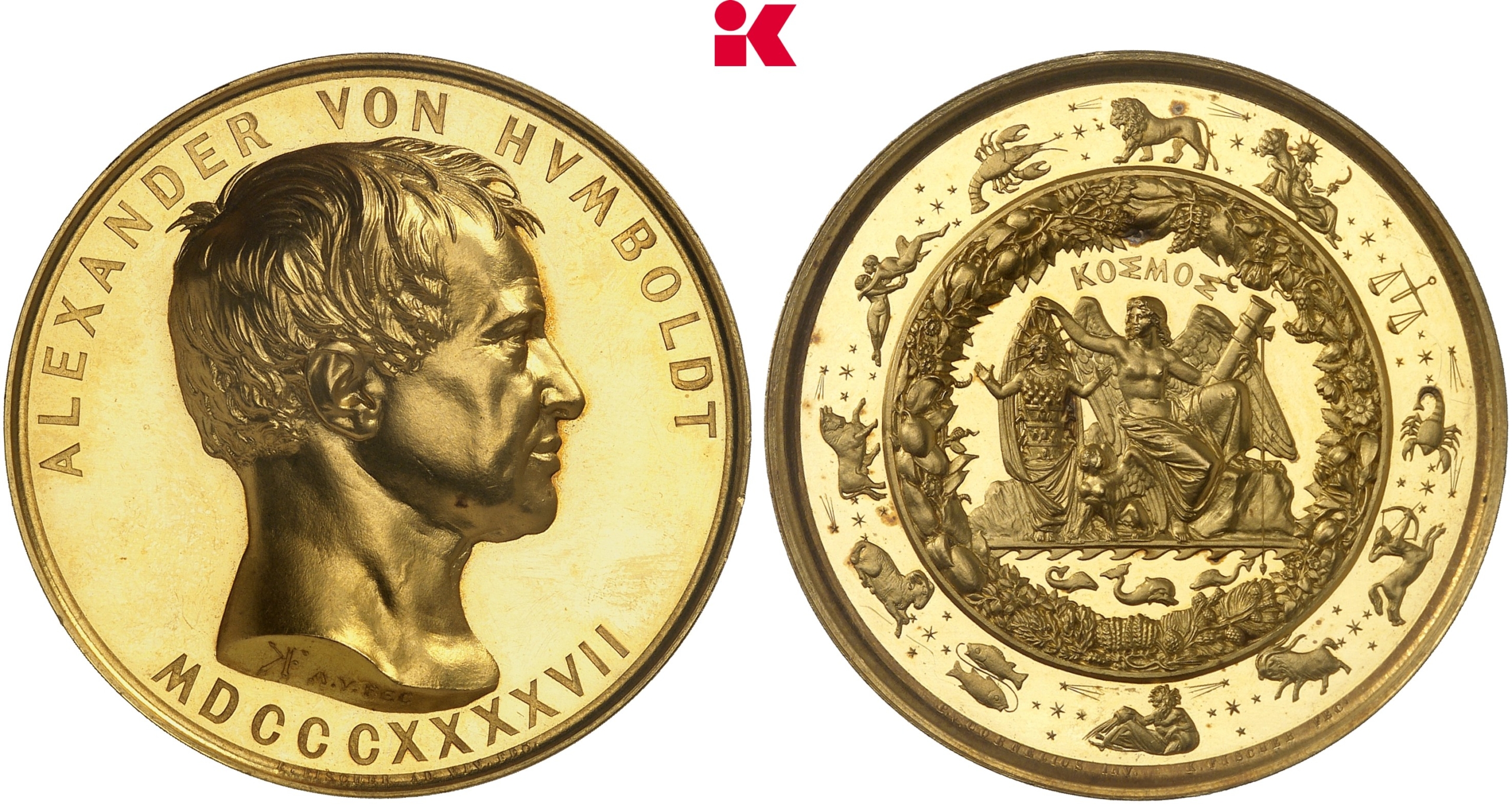
Gold medal in the weight of 50 ducats
commemorating the publication of the second volume
of Alexander von Humboldt’s *Kosmos*.
NGC MS 65 PL.
From the estate of Emperor William I.
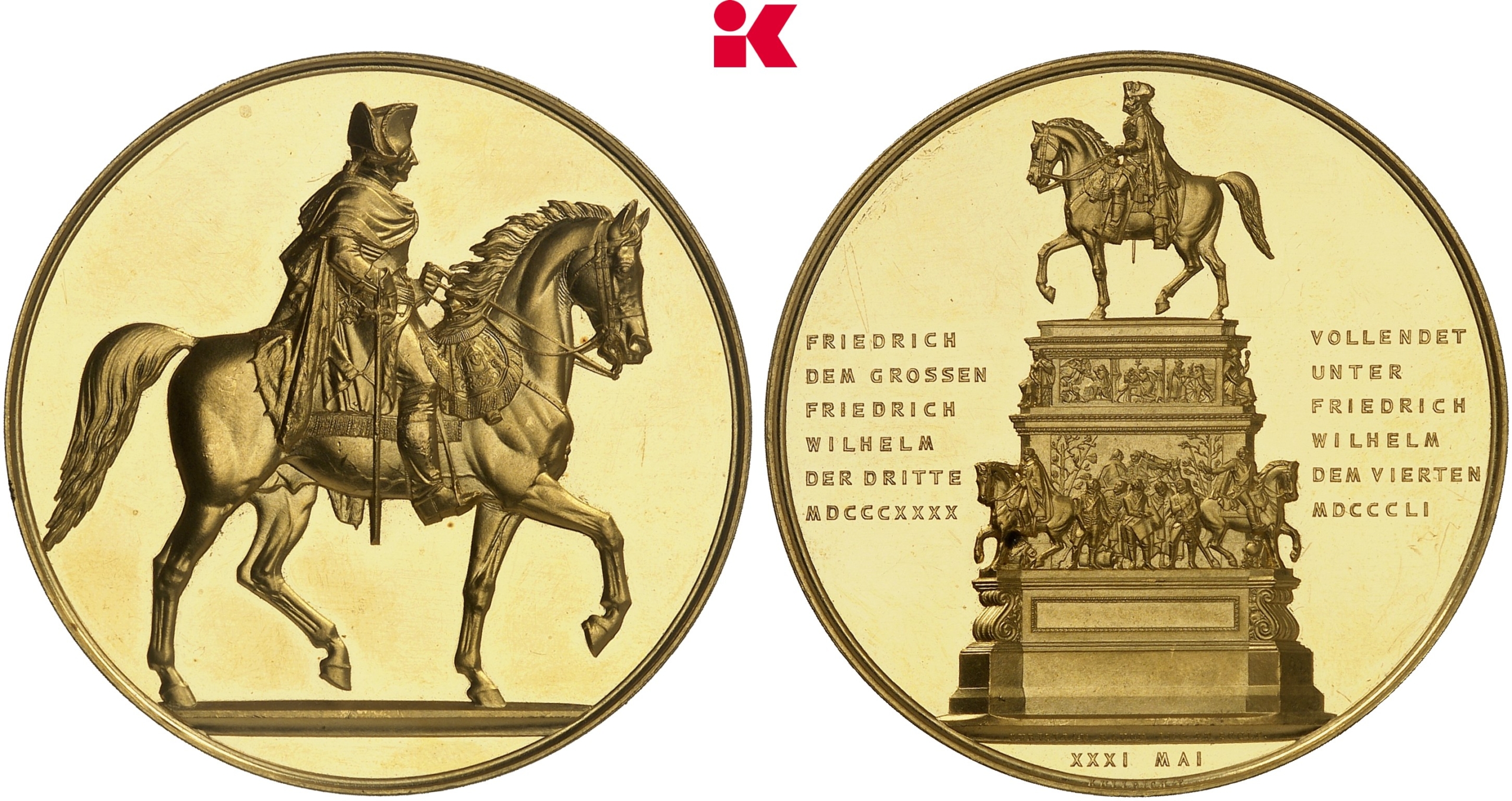
Gold medal in the weight of 50 ducats commemorating
the unveiling of the equestrian statue of
Frederick the Great on Unter den Linden in Berlin in 1851.
NGC MS 63 PL.
From the estate of Emperor William I.
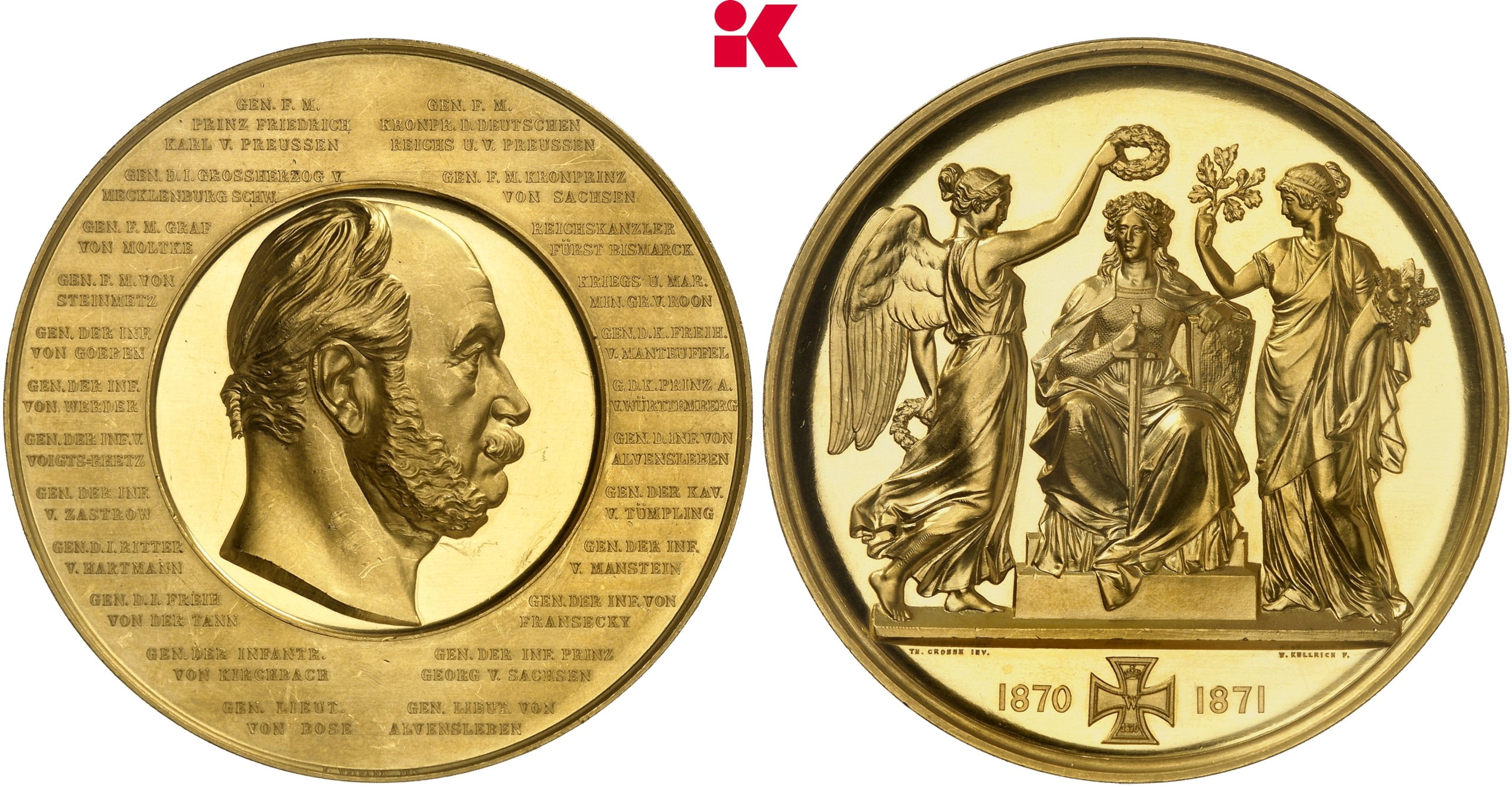
General’s Medal in the weight of 120 ducats, 1871,
commemorating the victory over France.
A magnificent specimen.
From the estate of Emperor William I.
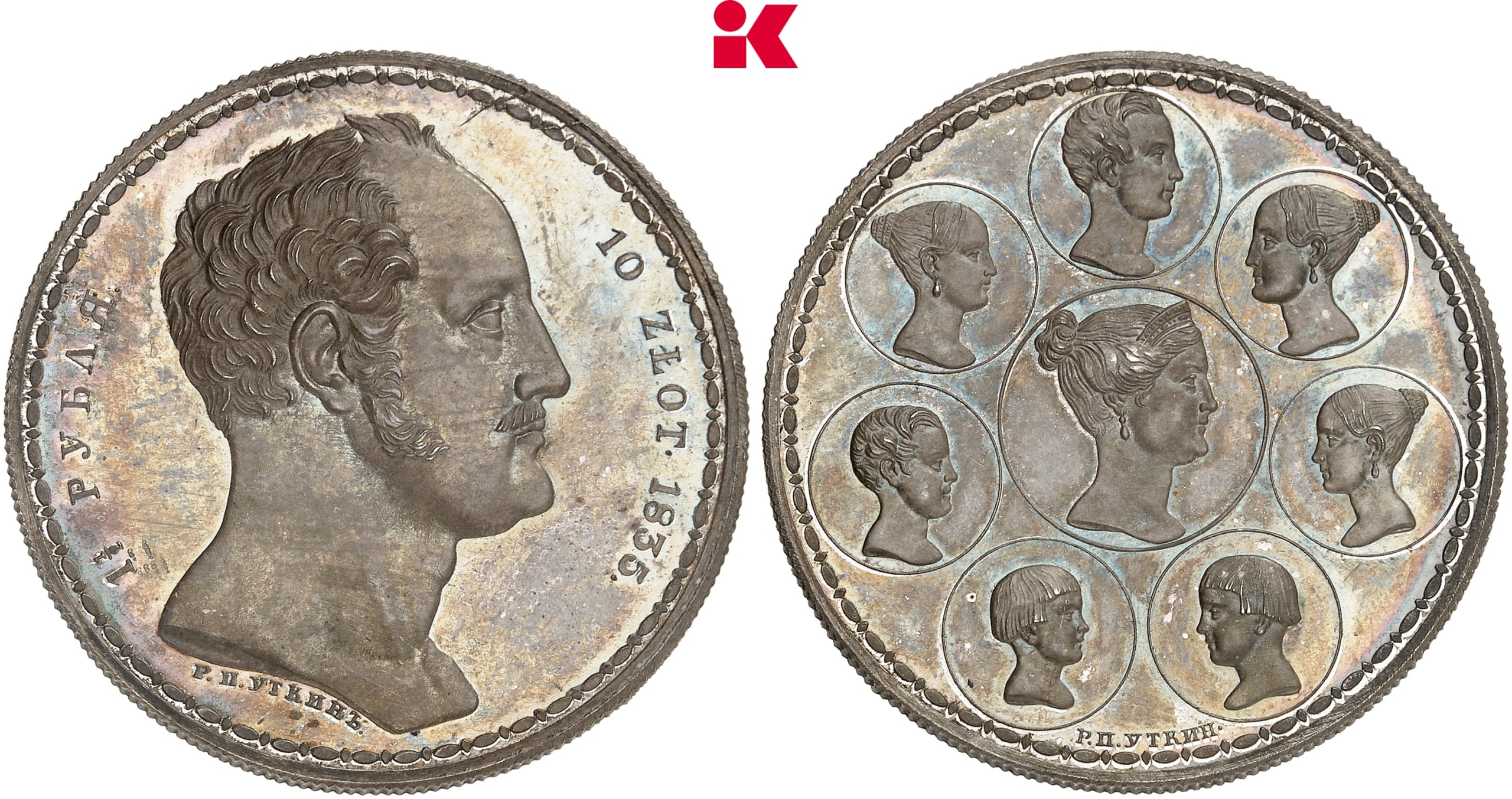
1 1/2 rubles (10 zlotys), 1835, St. Petersburg.
NGC MS 64 (Top Pop).
Only 36 examples struck.
A cabinet piece from polished dies.
From the estate of King Frederick William IV.
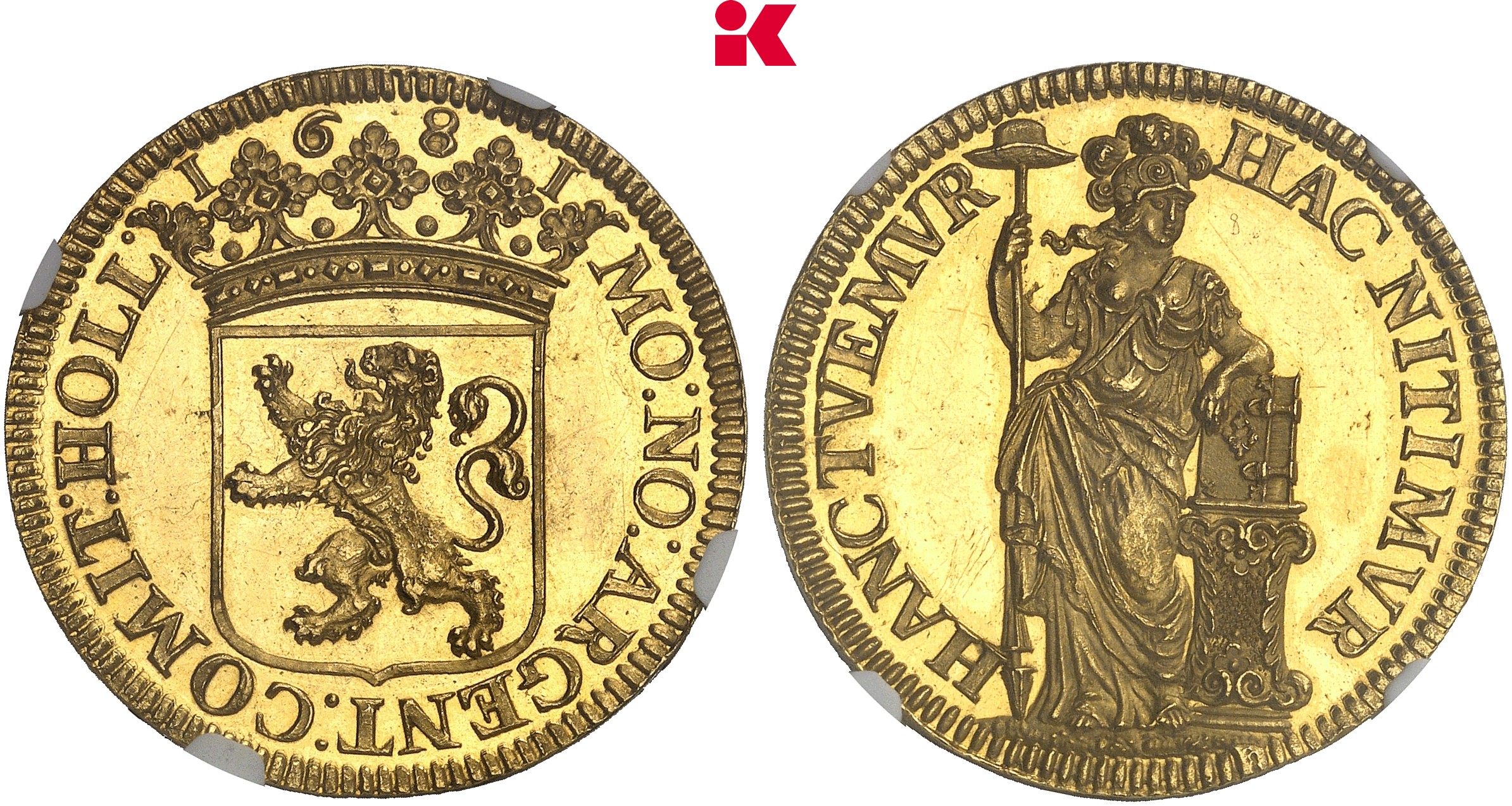
5 ducats, 1681.
Struck with the dies of a guilder.
NGC PF 64 Cameo.
Proof.
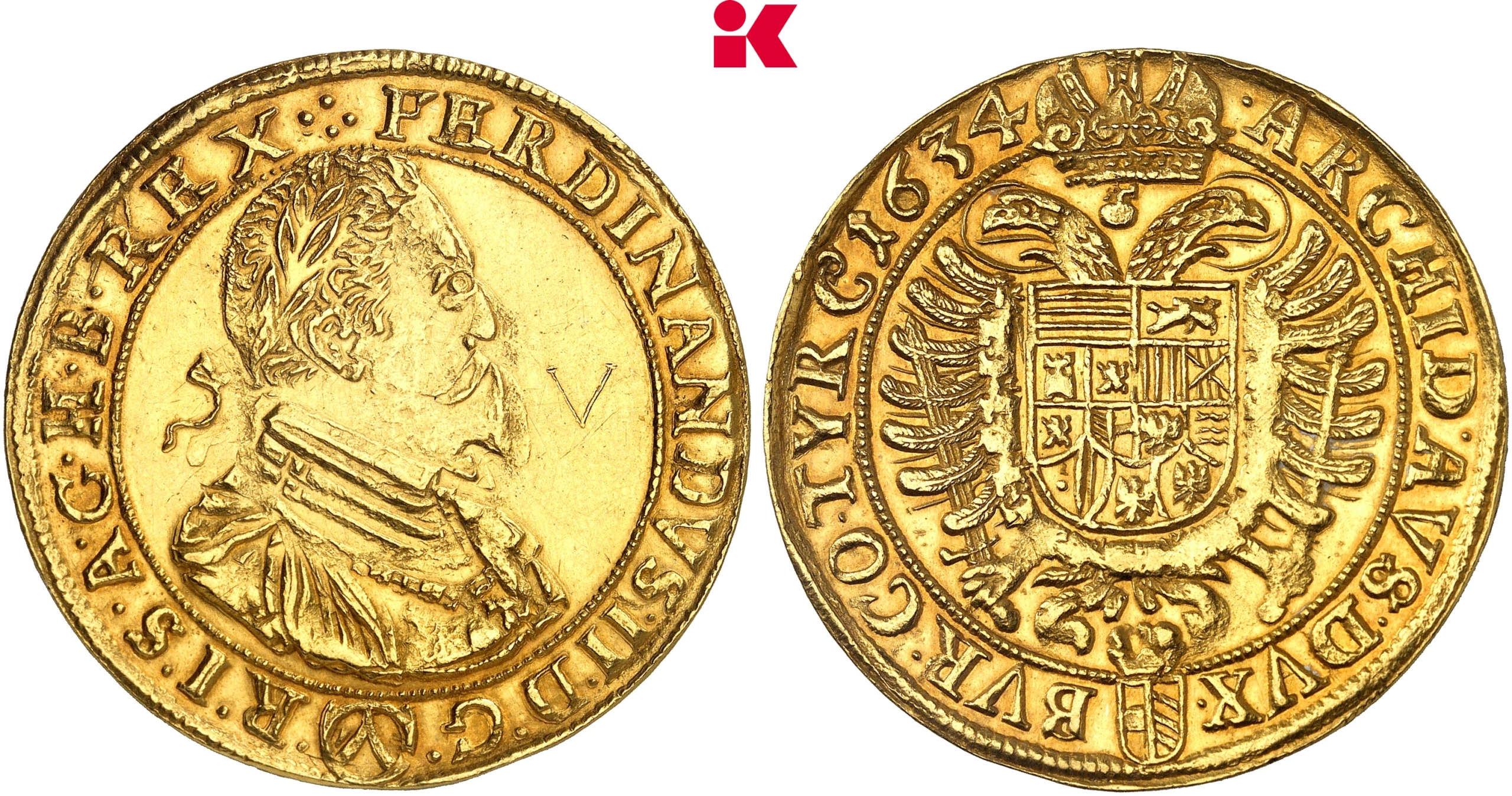
5 ducats, 1634, Vienna.
Extremely rare.
Extremely fine-uncirculated.
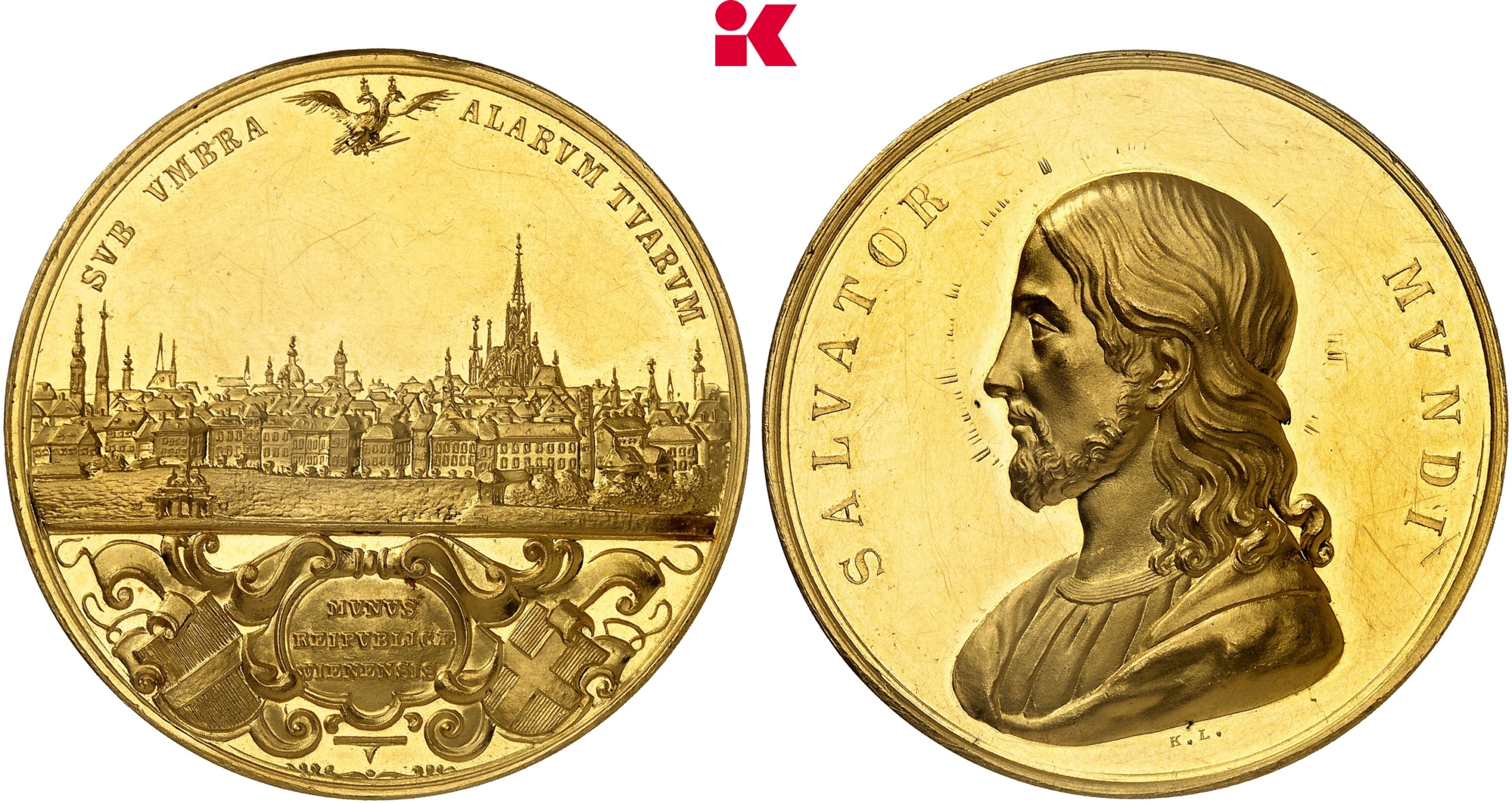
Salvator Medal in the weight of 12 ducats,
n. d.(around 1840).
NGC PF 61 CAMEO.
Proof.
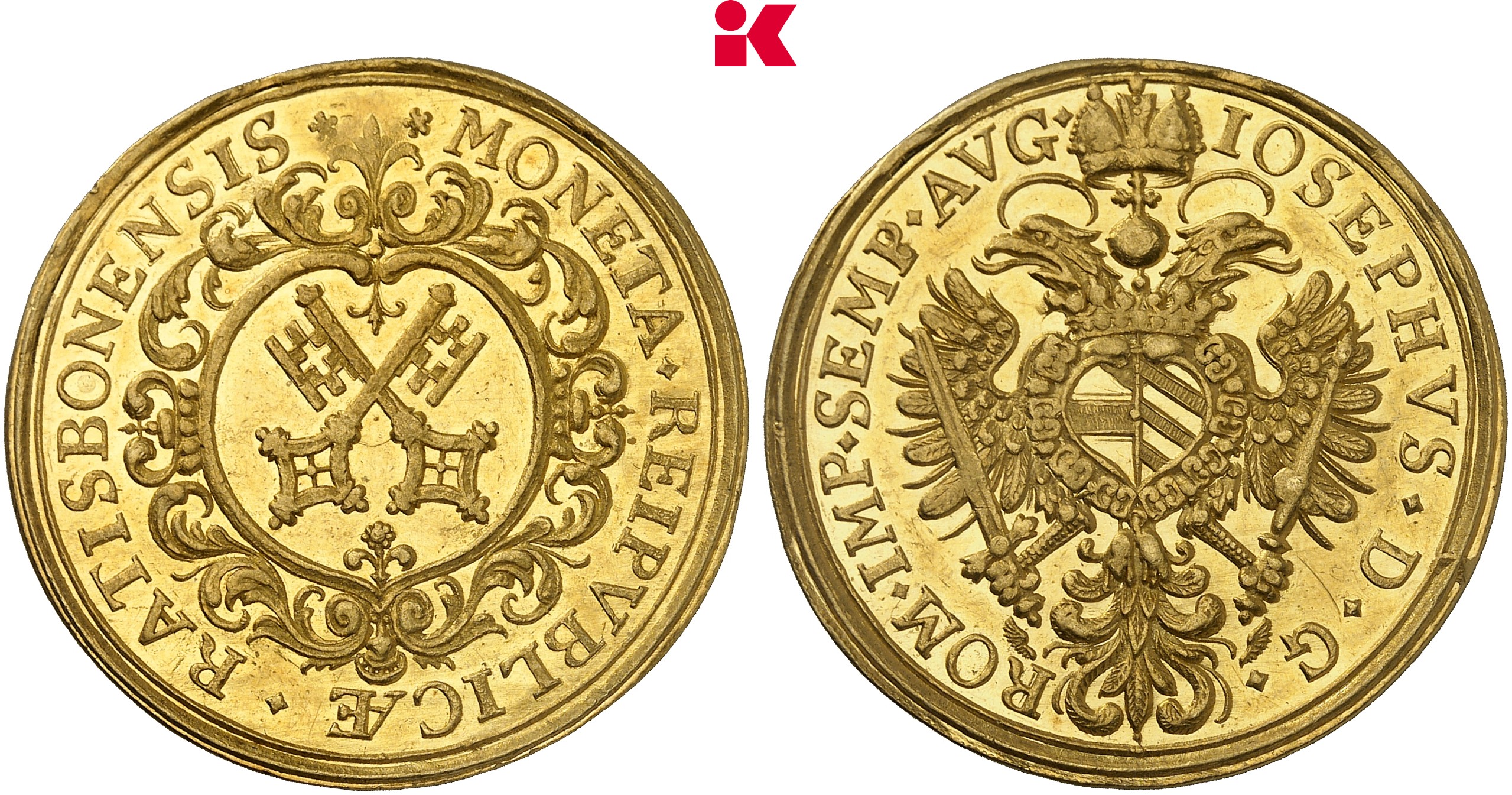
5 ducats, n. d. (1708–1710),
with the title of Joseph I. NGC MS 64.
Extremely rare. According to mint records,
only 7 copies struck.
A magnificent piece.
Archive: People and Markets
Acquisition of a Highly Significant Ensemble for the Coin Cabinet in Vienna
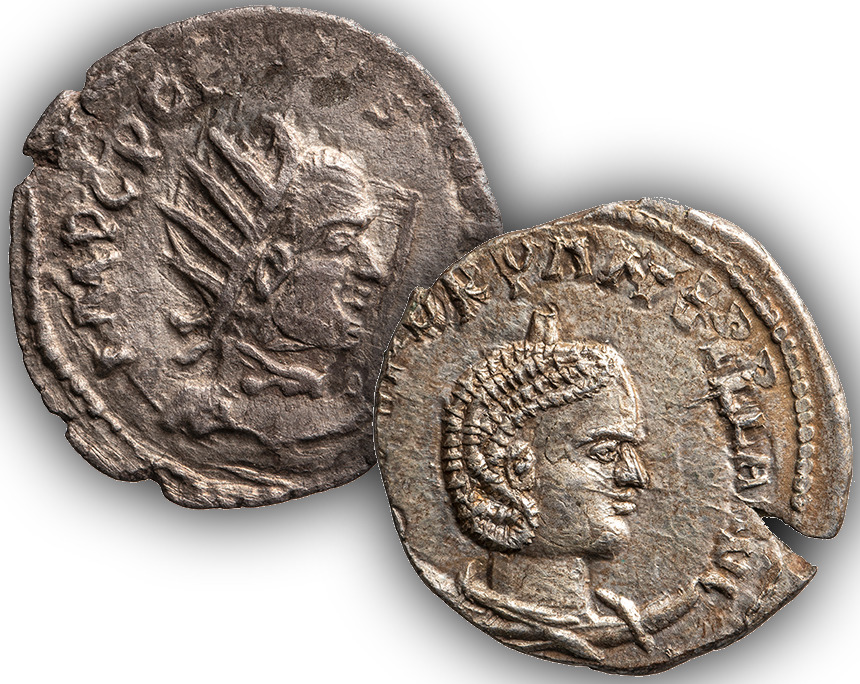
The Kunsthistorisches Museum has acquired 22 coins of the imperial couple Regalianus and Dryantilla and made them digitally accessible. This is all the more impressive considering that only about 160 coins of this imperial couple are known worldwide. These are the only Roman coins that were minted in what is now Austria.
Swissmint Commemorates Wind Power
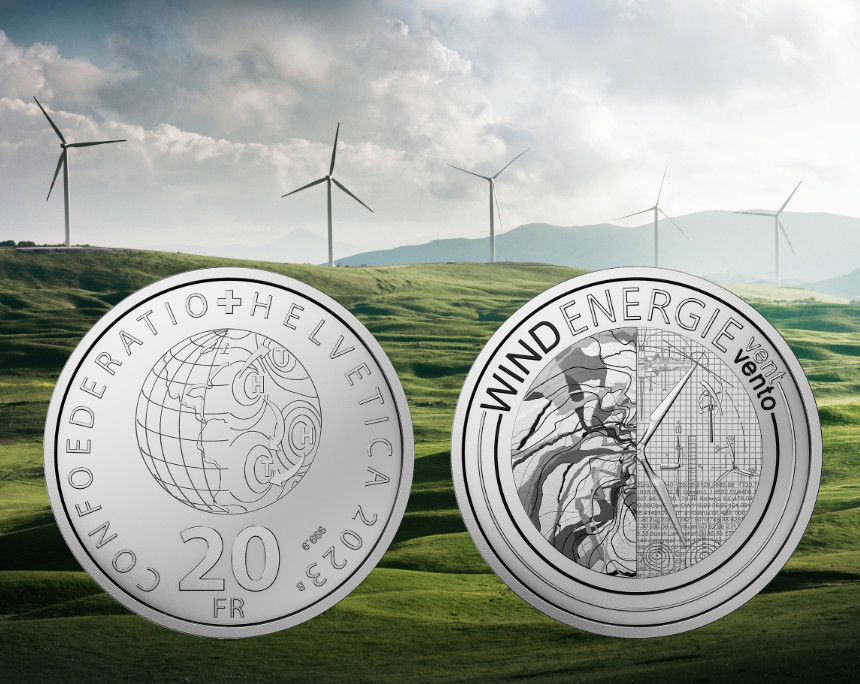
Following the issues on hydropower and solar energy, Swissmint completes its trilogy “Energy of the Future” with the new commemorative coin “Wind power.” As with its two predecessors, the silver coin glows in the dark.
Archive: Coins, Medals and more
 https://new.coinsweekly.com/wp-content/uploads/2024/10/2024KW40HA1_00.jpg
684
860
Bruno
https://new.coinsweekly.com/wp-content/uploads/2023/01/logo-coinsweekly_590x204.png
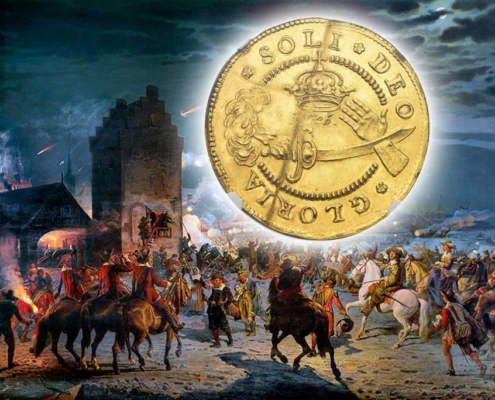
Bruno2024-10-02 13:27:042024-10-02 15:38:36Frederick III of Denmark and Eben Ezer
https://new.coinsweekly.com/wp-content/uploads/2024/10/2024KW40HA1_00.jpg
684
860
Bruno
https://new.coinsweekly.com/wp-content/uploads/2023/01/logo-coinsweekly_590x204.png
Bruno2024-10-02 13:27:042024-10-02 15:38:36Frederick III of Denmark and Eben Ezer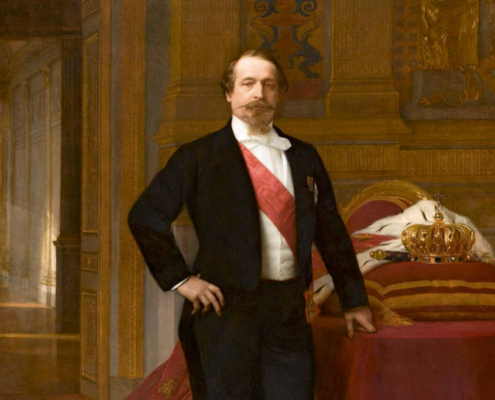 https://new.coinsweekly.com/wp-content/uploads/2023/09/2023KW36HA_00.jpg
684
860
Ursula Kampmann
https://new.coinsweekly.com/wp-content/uploads/2023/01/logo-coinsweekly_590x204.png
Ursula Kampmann2023-09-06 14:30:102023-09-06 14:30:10French History in Coins – Part 3: A New Napoleon
https://new.coinsweekly.com/wp-content/uploads/2023/09/2023KW36HA_00.jpg
684
860
Ursula Kampmann
https://new.coinsweekly.com/wp-content/uploads/2023/01/logo-coinsweekly_590x204.png
Ursula Kampmann2023-09-06 14:30:102023-09-06 14:30:10French History in Coins – Part 3: A New Napoleon
A Military Motif in Circulation – Or: How Political Should 2-Euro Coins Be?
Lithuania is planning to design a 2-euro commemorative coin for defense “against foreign armed forces”. Critics fear a numismatic mobilization – and are eagerly awaiting a possible veto from other euro countries. But have there ever been comparable cases?
Lithuania Effectively Abolishes One- and Two-Cent Coins – and Sparks a New Debate
Farewell to small change: another eurozone country is saying goodbye to the smallest cent coins. In Germany, the debate is also gaining momentum – whereas Austria remains relaxed and is observing developments.