







Archive: People and Markets
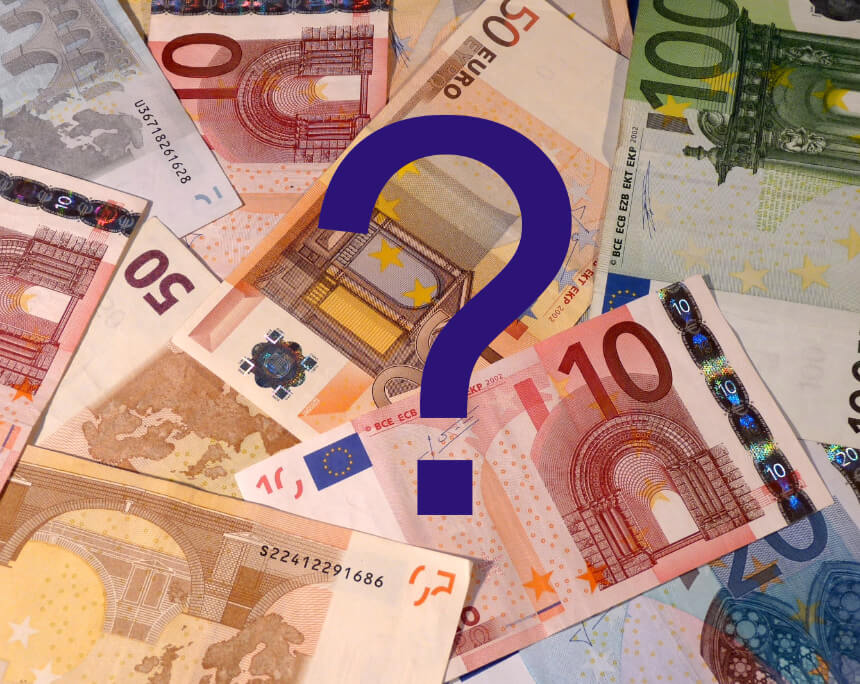
New Euro Banknotes – It Will Be One of These Two Themes
It is intended that euro banknotes are redesigned every 10 to 15 years. This is a long process that already has been going on for a while. The search is currently on for a theme for the future designs. Two finalists have now been chosen.
Will the International Coin Market Be Affected by the New US Tariff Policy?
America’s tariff regime is dominating the headlines. Yesterday morning (CET), when Ursula Kampmann wrote this article, many countries were under the threat of high punitive tariffs. As of yesterday evening (CET), this is no longer the case. But it is still interesting to consider what would happen in the coin market if punitive tariffs were imposed.
Archive: Coins, Medals and more
 https://new.coinsweekly.com/wp-content/uploads/2025/03/0.jpg
684
860
Sebastian Wieschowski
https://new.coinsweekly.com/wp-content/uploads/2023/01/logo-coinsweekly_590x204.png
Sebastian Wieschowski2025-03-06 06:00:312025-03-06 14:32:55Women on Commemorative Coins: A Long Road to True Equality
https://new.coinsweekly.com/wp-content/uploads/2025/03/0.jpg
684
860
Sebastian Wieschowski
https://new.coinsweekly.com/wp-content/uploads/2023/01/logo-coinsweekly_590x204.png
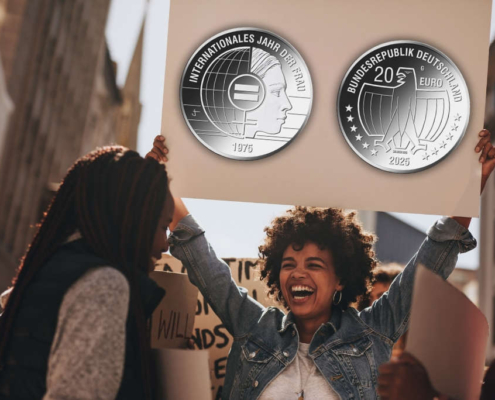
Sebastian Wieschowski2025-03-06 06:00:312025-03-06 14:32:55Women on Commemorative Coins: A Long Road to True Equality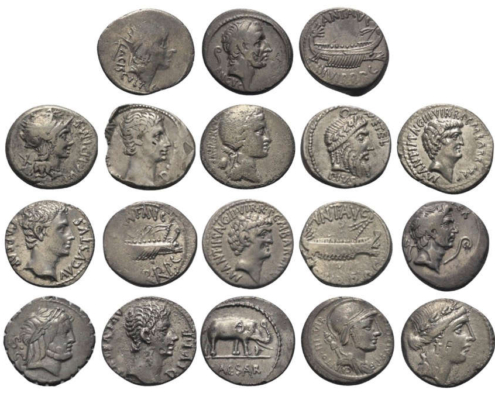 https://new.coinsweekly.com/wp-content/uploads/2023/09/2023KW37HA_00.jpg
684
860
Ursula Kampmann
https://new.coinsweekly.com/wp-content/uploads/2023/01/logo-coinsweekly_590x204.png
Ursula Kampmann2023-09-14 11:08:452023-09-14 11:10:58The Augustean Denarius Find From Brohl-Lützing Offered at Auction
https://new.coinsweekly.com/wp-content/uploads/2023/09/2023KW37HA_00.jpg
684
860
Ursula Kampmann
https://new.coinsweekly.com/wp-content/uploads/2023/01/logo-coinsweekly_590x204.png
Ursula Kampmann2023-09-14 11:08:452023-09-14 11:10:58The Augustean Denarius Find From Brohl-Lützing Offered at Auction
Bulgaria Will Adopt the Euro in 2026
The euro area is expanding: On June 4, 2025, the European Central Bank confirmed that Bulgaria meets the requirements for joining the eurozone. This clears the way for the introduction of the euro on January 1, 2026 – provided that preparations can be completed in time.
German Museums Continue to be Hit by Wave of Burglaries
With no end in sight, German museums are still regularly targeted by burglars. Often, the general public is unaware of the break-ins as the cases only make headlines in local newspapers. What can museums do to deal with these crimes? We present two cases from autumn 2023.