






Archive: People and Markets
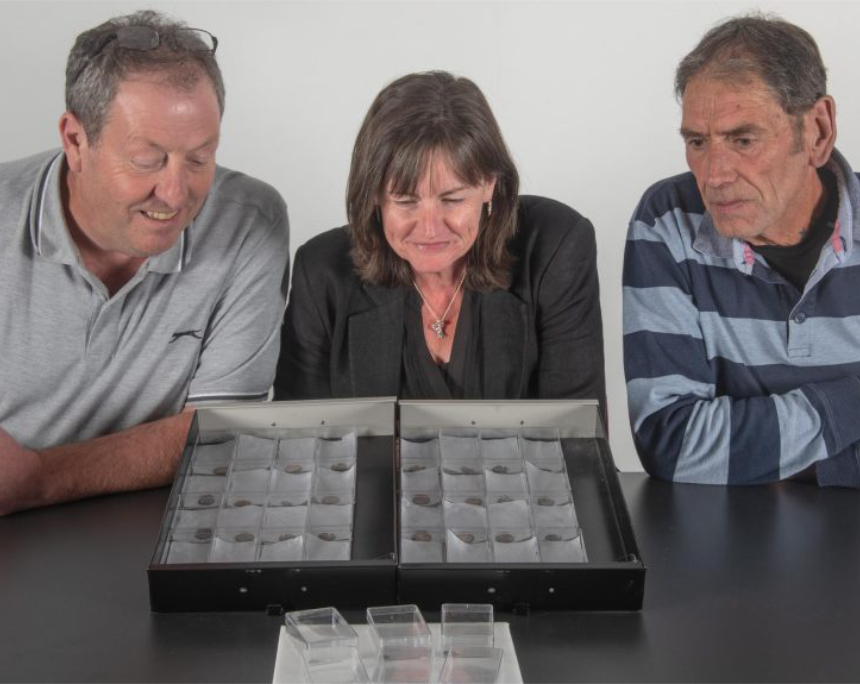
Hoard of Viking Coins Unearthed on the Isle of Man
The Isle of Man’s rich Viking legacy has been further enhanced by the discovery of the Island’s latest treasure hoard.
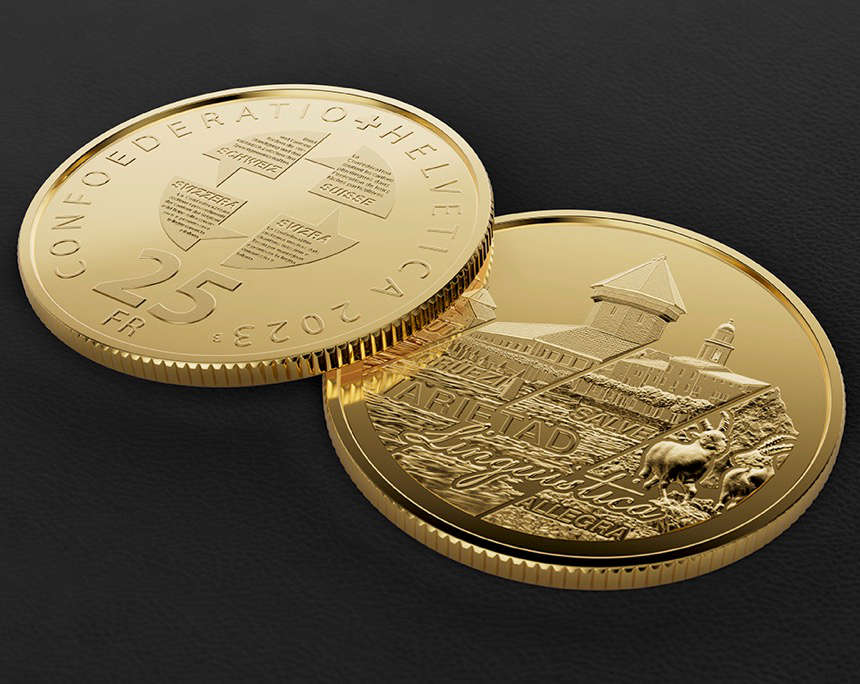
Swiss Linguistic Diversity Gold Coin
The latest Swiss gold coin “Swiss Language Diversity” honors cultural diversity and multilingualism as the very essence of Switzerland.
Archive: Coins, Medals and more
 https://new.coinsweekly.com/wp-content/uploads/2025/02/2025KW08HA01_00.jpg
684
860
Lucie Loechel
https://new.coinsweekly.com/wp-content/uploads/2023/01/logo-coinsweekly_590x204.png
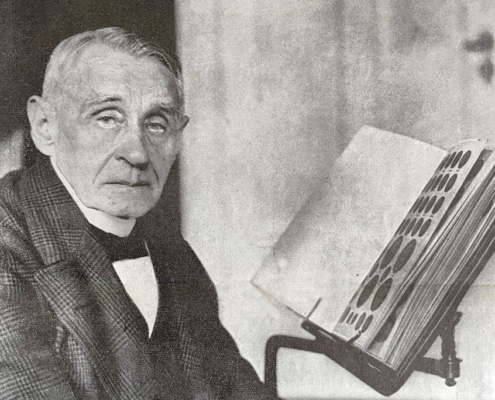
Lucie Loechel2025-02-20 09:21:132025-02-20 09:49:19L. E. Bruun: A Collector in His Time
https://new.coinsweekly.com/wp-content/uploads/2025/02/2025KW08HA01_00.jpg
684
860
Lucie Loechel
https://new.coinsweekly.com/wp-content/uploads/2023/01/logo-coinsweekly_590x204.png
Lucie Loechel2025-02-20 09:21:132025-02-20 09:49:19L. E. Bruun: A Collector in His Time https://new.coinsweekly.com/wp-content/uploads/2025/06/00-5.jpg
684
860
Lucie Loechel
https://new.coinsweekly.com/wp-content/uploads/2023/01/logo-coinsweekly_590x204.png
Lucie Loechel2025-06-05 08:00:262025-06-05 08:29:19Farewell to the Penny: (No) Impact on Numismatics?
https://new.coinsweekly.com/wp-content/uploads/2025/06/00-5.jpg
684
860
Lucie Loechel
https://new.coinsweekly.com/wp-content/uploads/2023/01/logo-coinsweekly_590x204.png
Lucie Loechel2025-06-05 08:00:262025-06-05 08:29:19Farewell to the Penny: (No) Impact on Numismatics?
Dennis Tucker Retiring as Publisher at Whitman
Following a nineteen-year career at Whitman Publishing, Dennis Tucker will retire at the end of February 2024. During his time as publisher, he has overseen the publication of more than 300 titles.
ANS Awards the 2025 Trustees’ Award to the NYINC
The American Numismatic Society annually presents the Trustees’ Award to honor those advancing the study and appreciation of numismatics. This year, the New York International Numismatic Convention was recognized for over 50 years of uniting coin collectors, dealers, and enthusiasts.