











Archive: People and Markets
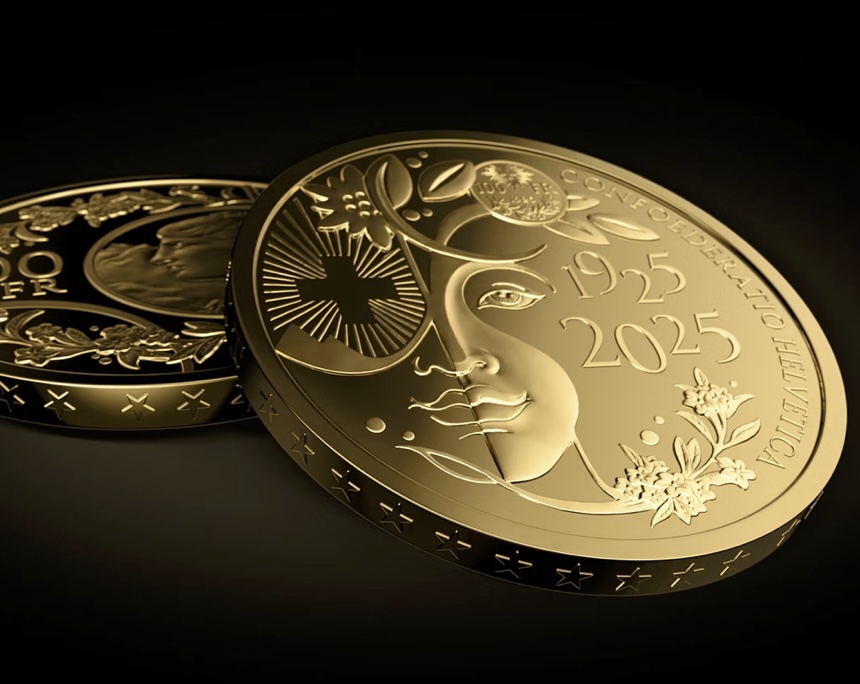
Exclusive Presentation of the Latest Commemorative Coin: The 100-Franc Gold Vreneli Returns After 100 Years
At the World Money Fair, Swissmint unveiled its latest commemorative coin to mark a special anniversary: on 1 July 2025, the coin “100 Years of the 100-Franc Vreneli” will be released – a tribute to the original edition from 1925.
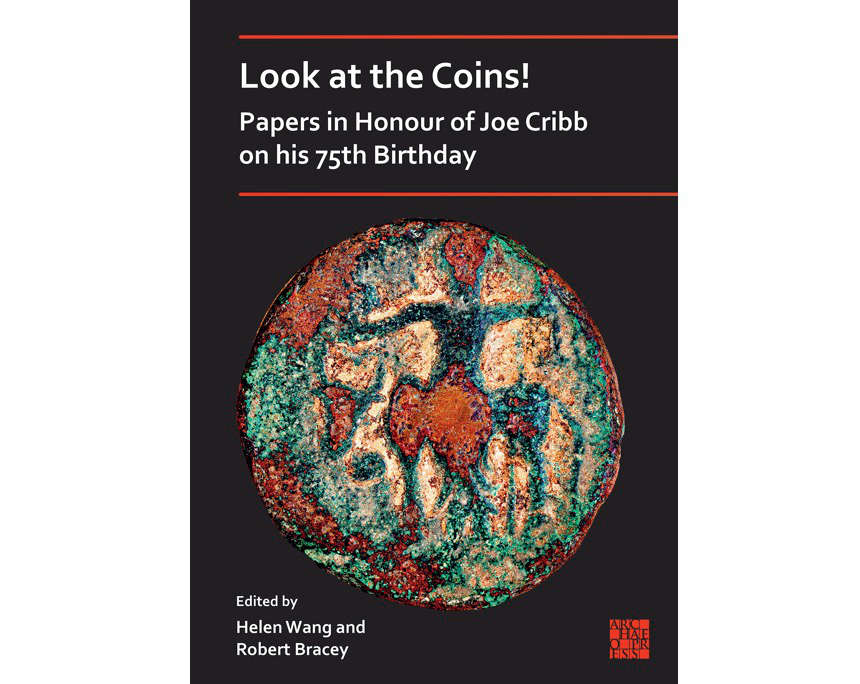
Look at the Coins! Papers in Honour of Joe Cribb on his 75th Birthday
Joe Cribb is a well-known specialist in the monetary history of Asia. On the occasion of his 75th birthday, this volume has been prepared by friends and colleagues in appreciation of his contribution to the field, and especially for his support and guidance.
Archive: Coins, Medals and more
 https://new.coinsweekly.com/wp-content/uploads/2024/04/2024KW14HA_00.jpg
684
860
Bruno
https://new.coinsweekly.com/wp-content/uploads/2023/01/logo-coinsweekly_590x204.png
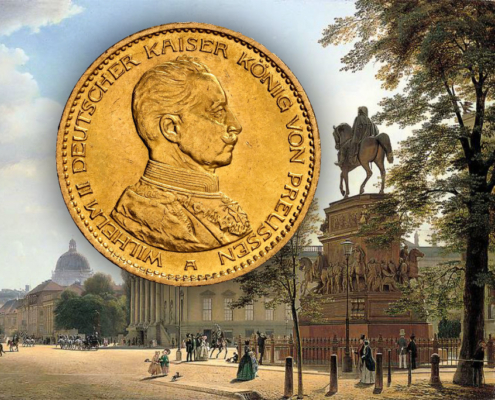
Bruno2024-04-04 09:39:312024-04-04 13:03:19Counterfeit Detection: Altered Prussia 20 Mark
https://new.coinsweekly.com/wp-content/uploads/2024/04/2024KW14HA_00.jpg
684
860
Bruno
https://new.coinsweekly.com/wp-content/uploads/2023/01/logo-coinsweekly_590x204.png
Bruno2024-04-04 09:39:312024-04-04 13:03:19Counterfeit Detection: Altered Prussia 20 Mark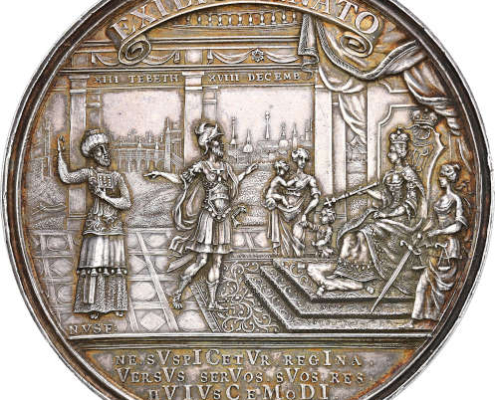 https://new.coinsweekly.com/wp-content/uploads/2023/06/2023KW24HA00.jpg
500
497
Bruno
https://new.coinsweekly.com/wp-content/uploads/2023/01/logo-coinsweekly_590x204.png
Bruno2023-06-14 09:53:382023-06-27 11:20:26Maria Theresa and Her Persecution of Jews
https://new.coinsweekly.com/wp-content/uploads/2023/06/2023KW24HA00.jpg
500
497
Bruno
https://new.coinsweekly.com/wp-content/uploads/2023/01/logo-coinsweekly_590x204.png
Bruno2023-06-14 09:53:382023-06-27 11:20:26Maria Theresa and Her Persecution of Jews
A Perfect Hunter: The Leopard on African Coins
Few people are lucky enough to see a leopard in the wild. On coins, however, the nimble and silent hunters can be encountered more frequently. With Dirk Wasserthal of RareCoin, we take you on a numismatic safari and present five rare African gold coins that have the potential to appreciate.
Coins of the Islamic Lands From the Nasser D. Khalili Collection
The Khalili Collection of Islamic Art is one of the most comprehensive of its kind, and its Islamic coinage is among the finest in private hands. A catalog featuring highlights from the early period of Islamic Coinage has now been published, including many rare and unpublished specimens.