






Archive: People and Markets
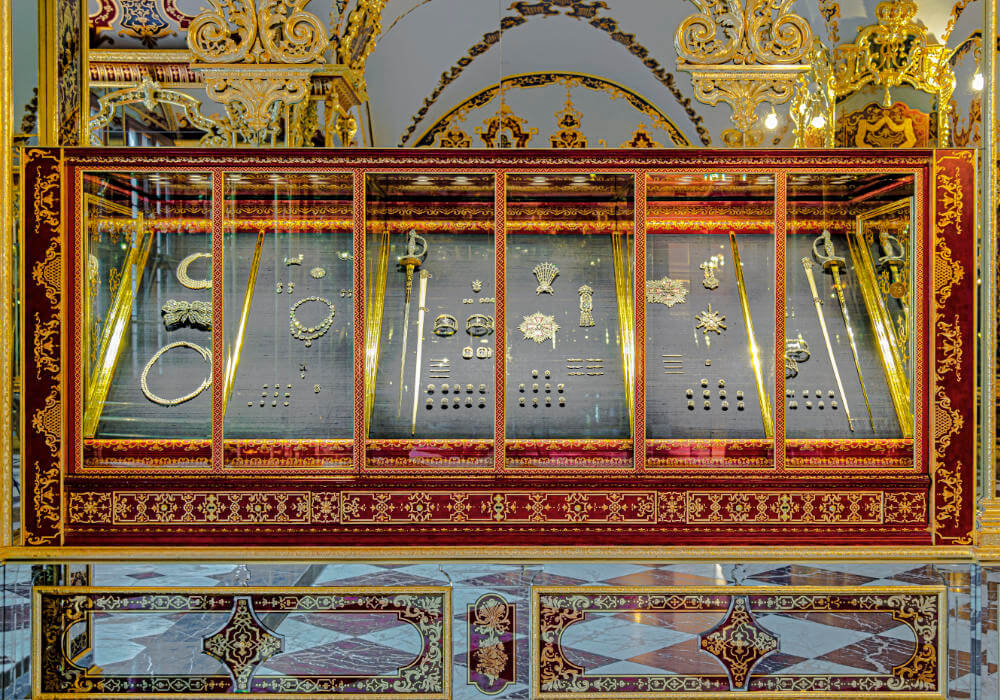
Verdicts in the Dresden Jewel Heist Case
More than three years after the spectacular burglary at Dresden’s Green Vault, the Dresden Regional Court handed down a verdict on 16 May 2023. The return of part of the loot has paid off for the defendants. But many questions are still open.
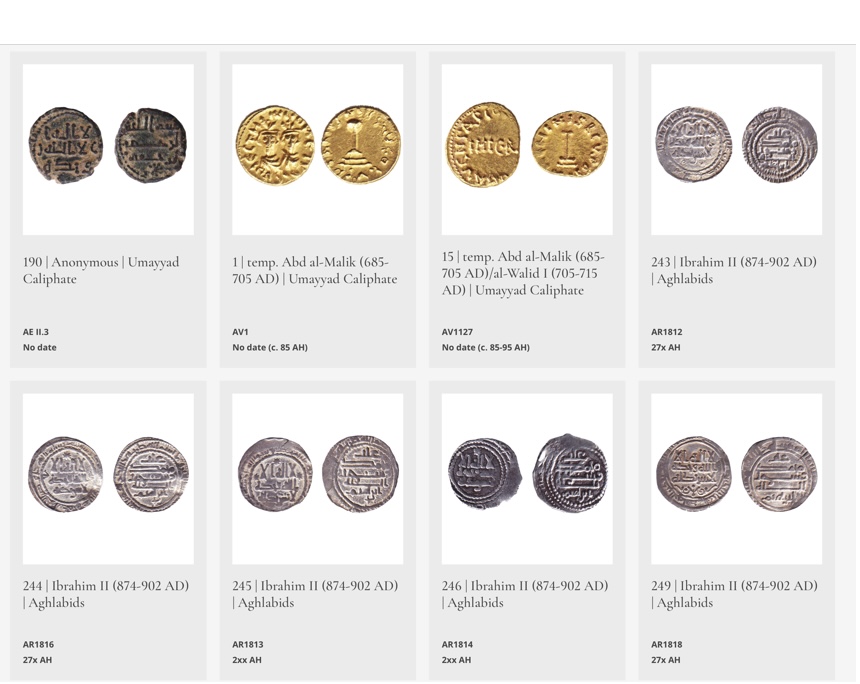
The Nasser D. Khalili Collection of Islamic Coins: Now Available Online
The Khalili Collections are in the process of digitizing the Nasser D. Khalili Collection of Islamic coins, one of the largest private collections in this field. Over the next two years, around 13,000 coins will be made available on the official website, which already features 2,280 coins.
Archive: Coins, Medals and more
 https://new.coinsweekly.com/wp-content/uploads/2024/10/2024KW40HA1_00.jpg
684
860
Bruno
https://new.coinsweekly.com/wp-content/uploads/2023/01/logo-coinsweekly_590x204.png
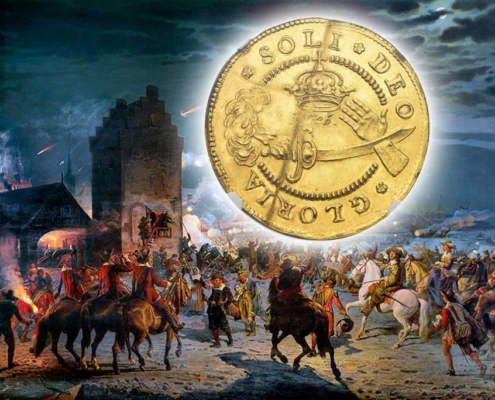
Bruno2024-10-02 13:27:042024-10-02 15:38:36Frederick III of Denmark and Eben Ezer
https://new.coinsweekly.com/wp-content/uploads/2024/10/2024KW40HA1_00.jpg
684
860
Bruno
https://new.coinsweekly.com/wp-content/uploads/2023/01/logo-coinsweekly_590x204.png
Bruno2024-10-02 13:27:042024-10-02 15:38:36Frederick III of Denmark and Eben Ezer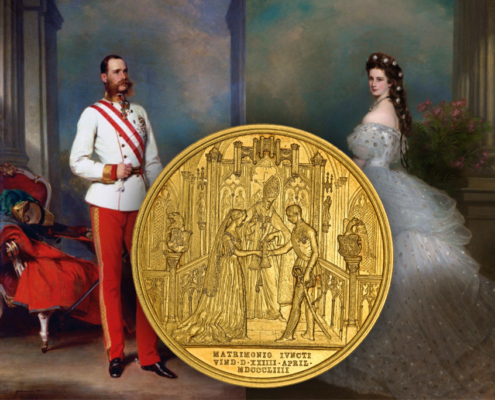 https://new.coinsweekly.com/wp-content/uploads/2024/10/2024KW41HA2_00.jpg
684
860
Bruno
https://new.coinsweekly.com/wp-content/uploads/2023/01/logo-coinsweekly_590x204.png
Bruno2024-10-10 12:00:002024-10-10 13:51:28Sisi and Franz: Commemorating the Dream Wedding that Was Actually a Nightmare
https://new.coinsweekly.com/wp-content/uploads/2024/10/2024KW41HA2_00.jpg
684
860
Bruno
https://new.coinsweekly.com/wp-content/uploads/2023/01/logo-coinsweekly_590x204.png
Bruno2024-10-10 12:00:002024-10-10 13:51:28Sisi and Franz: Commemorating the Dream Wedding that Was Actually a Nightmare
Sack & Kiesselbach at the World Money Fair
What does it mean for a technical supplier of the minting industry to set up a booth at the World Money Fair? Markus Schlein, CEO of Sack & Kiesselbach, explains how he prepares for the event and how he experiences the WMF.
Course: Coins and the Sacred in Roman and Early Modern Times
In November, a numismatics course will take place in Rome, focusing on religion and religious power on coins. German and Dutch students can count on support with their travel costs.