






Archive: People and Markets
New RNS Research Fund for Asian Numismatics
The Royal Numismatic Society announced the establishment of a new fund which aims to enable curators and students based in Asia to visit the UK to study Asian coin and money collections.
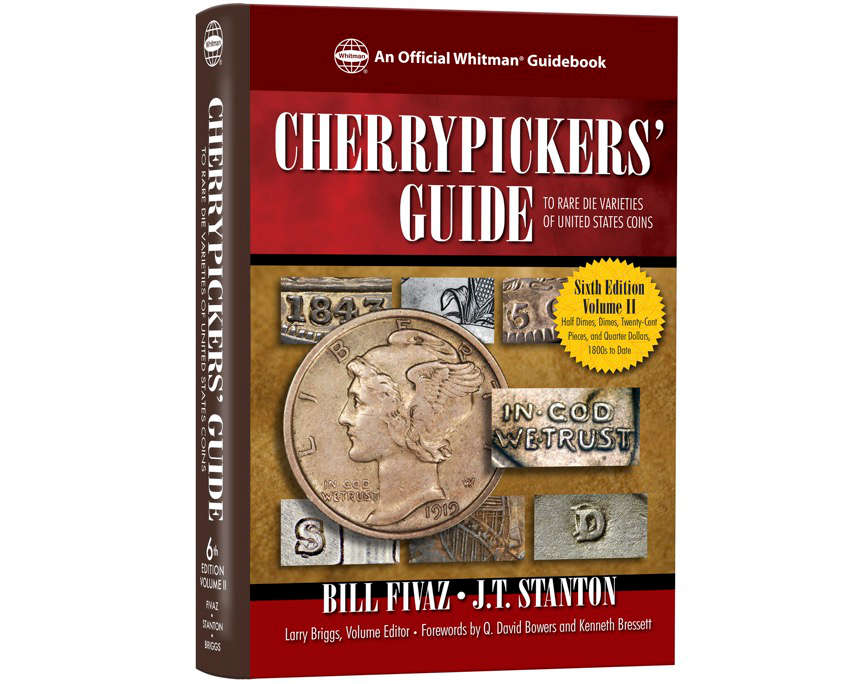
Cherrypickers’ Guide Sellout as a Sign of Strength for the Die-Variety Market?
A new edition of Cherrypickers’ Guide successfully debuted at the American Numismatic Association World’s Fair of Money in Pittsburgh. Whitman publisher Dennis Tucker explains the success of the new Cherrpickers’ Guide with a growing interest in die varieties. Some of his observations on the die-variety market.
Archive: Coins, Medals and more
 https://new.coinsweekly.com/wp-content/uploads/2023/06/00_shutterstock_1926678794-Kopie.jpg
667
1000
Bruno
https://new.coinsweekly.com/wp-content/uploads/2023/01/logo-coinsweekly_590x204.png
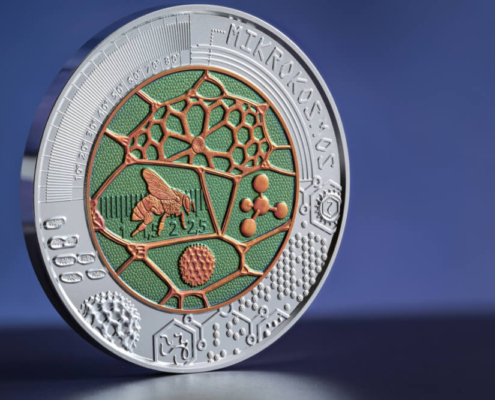
Bruno2022-06-13 11:36:162023-07-03 12:01:36Coloured Metal from Austria: Niobium Coins
https://new.coinsweekly.com/wp-content/uploads/2023/06/00_shutterstock_1926678794-Kopie.jpg
667
1000
Bruno
https://new.coinsweekly.com/wp-content/uploads/2023/01/logo-coinsweekly_590x204.png
Bruno2022-06-13 11:36:162023-07-03 12:01:36Coloured Metal from Austria: Niobium Coins https://new.coinsweekly.com/wp-content/uploads/2023/06/CoCo05_15.jpg
534
1000
Ursula Kampmann
https://new.coinsweekly.com/wp-content/uploads/2023/01/logo-coinsweekly_590x204.png
Ursula Kampmann2022-06-13 09:54:432023-06-27 10:33:10The French Marianne I: Marianne as a Representative of the French People – Part 2
https://new.coinsweekly.com/wp-content/uploads/2023/06/CoCo05_15.jpg
534
1000
Ursula Kampmann
https://new.coinsweekly.com/wp-content/uploads/2023/01/logo-coinsweekly_590x204.png
Ursula Kampmann2022-06-13 09:54:432023-06-27 10:33:10The French Marianne I: Marianne as a Representative of the French People – Part 2
A Numismatic Itinerary Through the Peloponnese
The Archaeological Museum of Tegea in Greece shows in a temporary exhibition how places in the Peloponnese were presented on ancient coins.
Florida Recognises Gold and Silver as Legal Tender
A new step in the monetary policy of US states: the “Sunshine State” will soon allow certain precious metal coins to be used in everyday transactions. However, this alternative form of currency must meet specific requirements in order to qualify.