







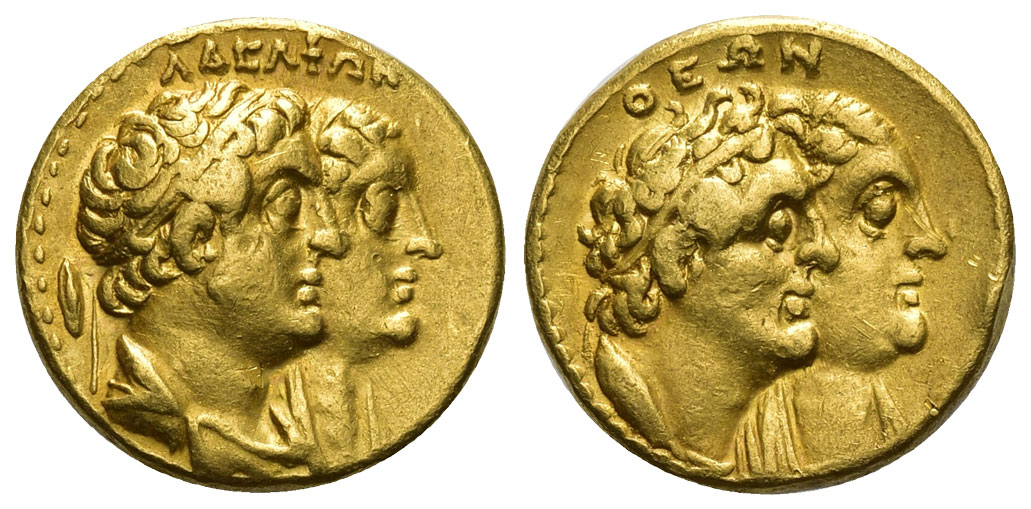
AV Tetradrachm (282–272 BC),
King Ptolemy II and Queen Arsinoe II.
From the major collection of Alexandria mint.
Condition: vf+
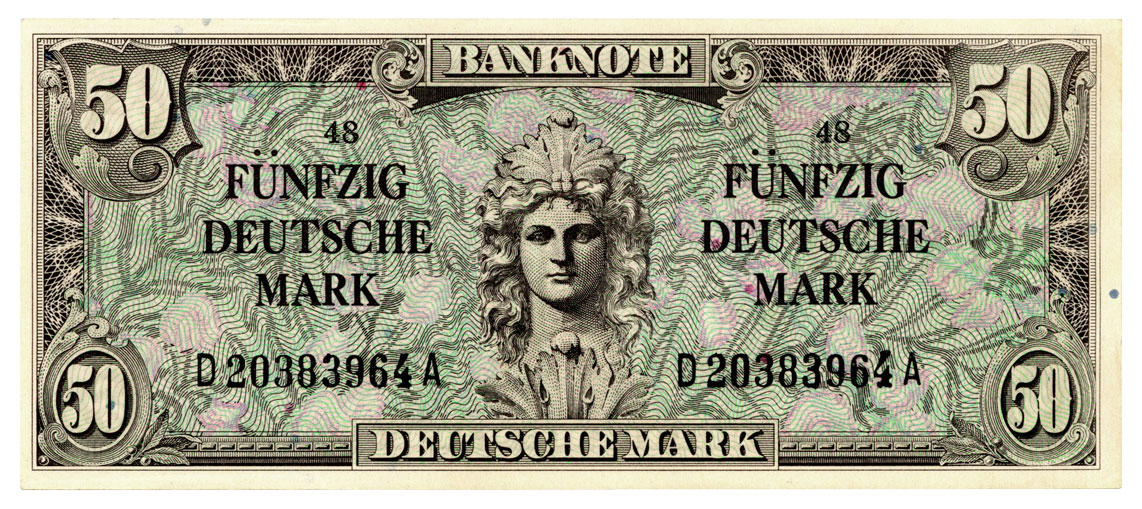
50 Deutsche Mark o.D. ( 1948-1949) "Liberty".
Condition: extremly rare, I
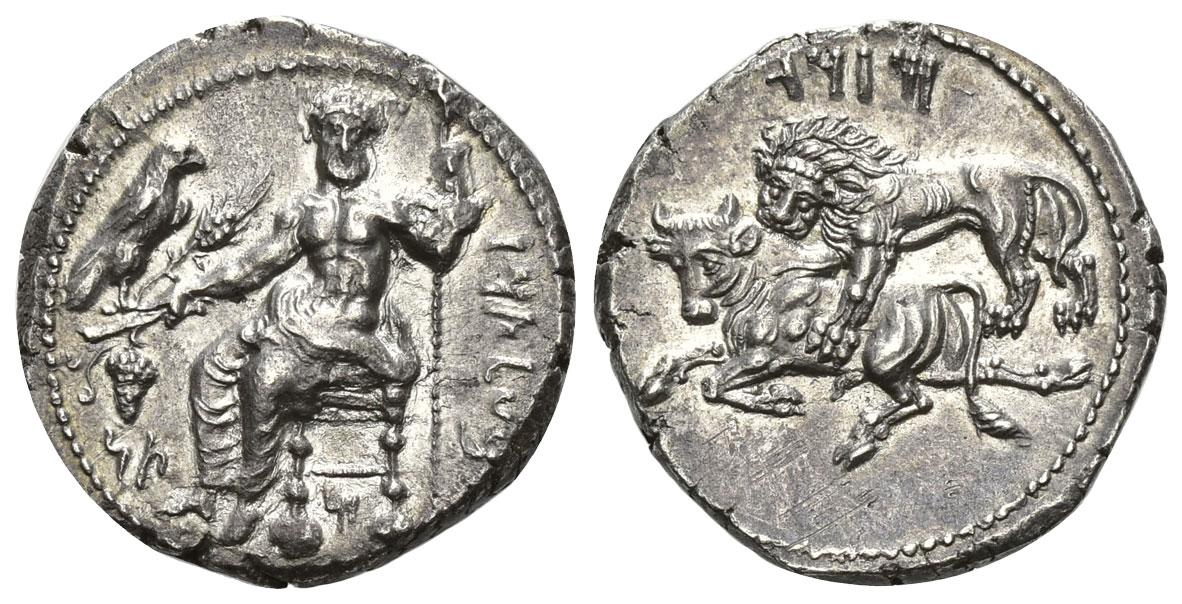
AR Stater (361-334 BC).
Obv. Baal of Tarsos.
Conditon: ef
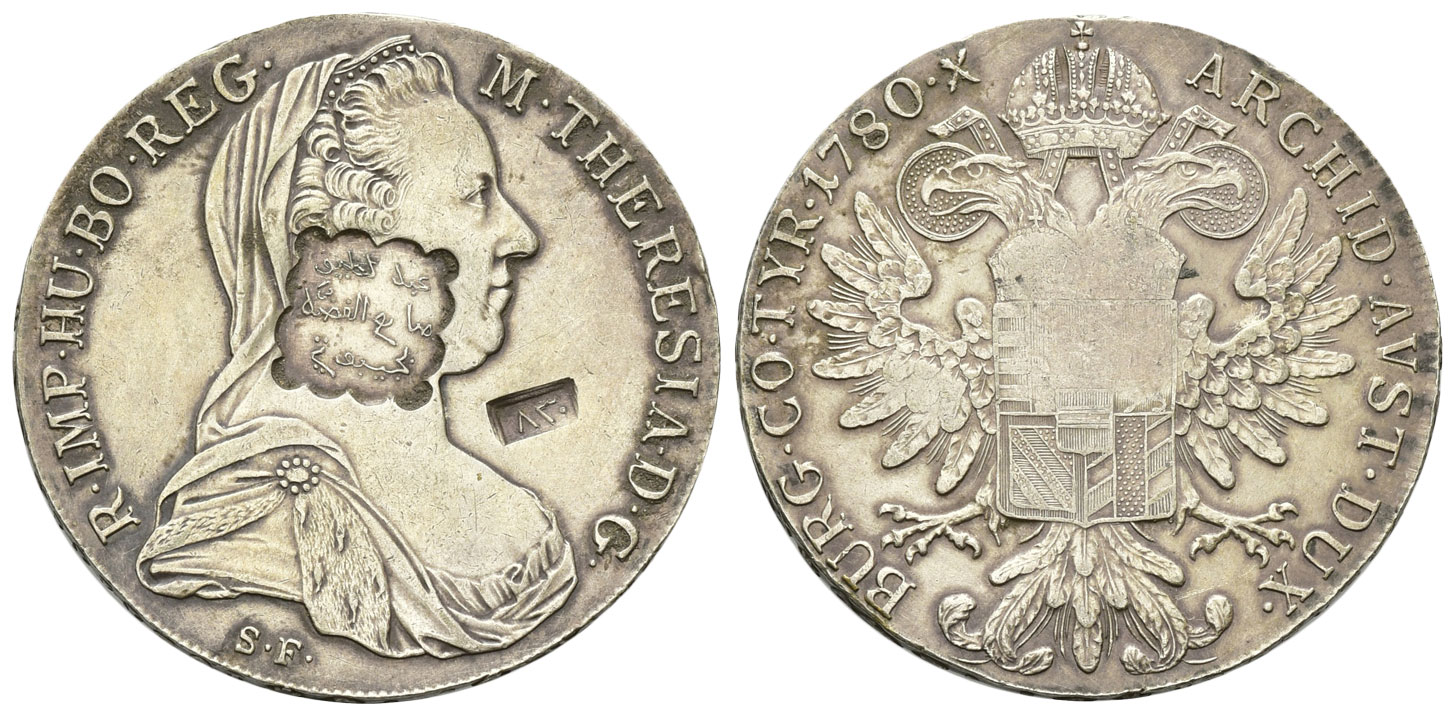
Taler 1780 SF
with counter stamp Djibouti (1870-1900).
Condition: vf
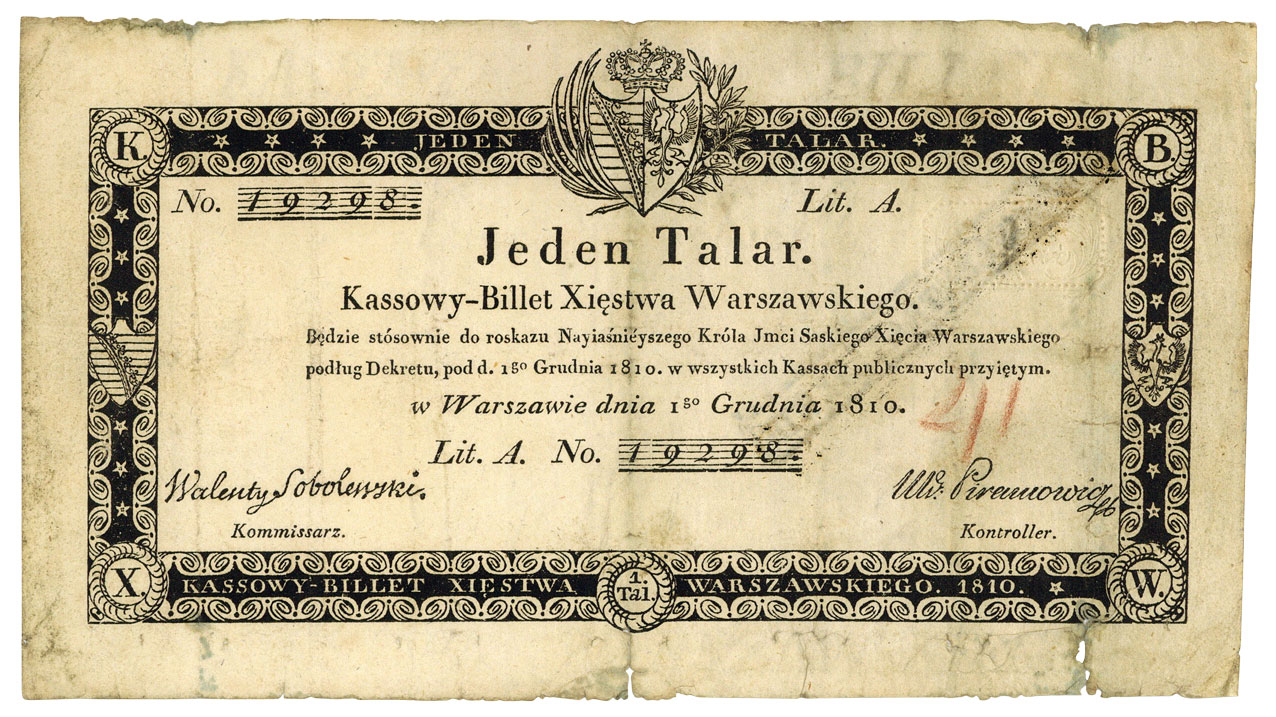
1 Talar 1. December 1810.
Condition: III-IV
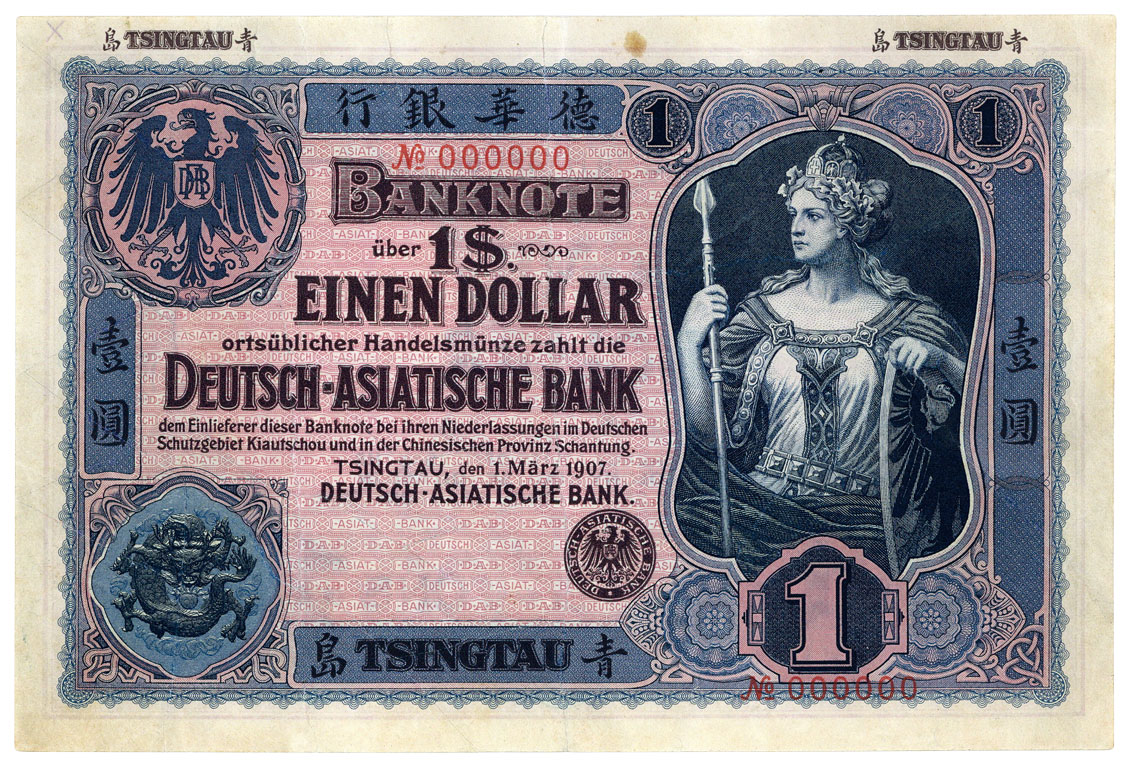
1 Dollar 1.3.1907, Tsingtao.
Condition: very rare, restored
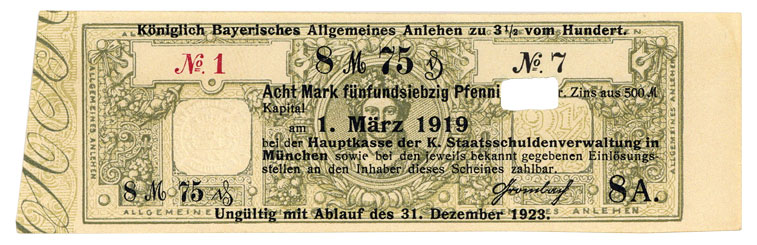
Royal Bavarian General Loan.
8.75 Marks, March 1, 1919.
Condition: rare, I
Archive: People and Markets
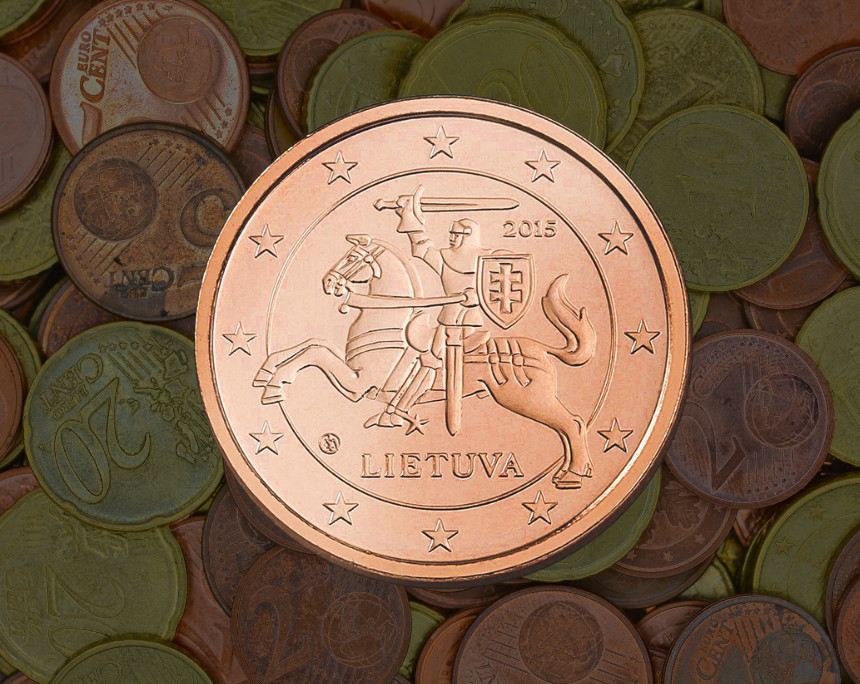
Lithuania Effectively Abolishes One- and Two-Cent Coins – and Sparks a New Debate
Farewell to small change: another eurozone country is saying goodbye to the smallest cent coins. In Germany, the debate is also gaining momentum – whereas Austria remains relaxed and is observing developments.
Correction: We made a mistake!
The news we published yesterday about the Coin of the Year Award was erroneous.
Archive: Coins, Medals and more
 https://new.coinsweekly.com/wp-content/uploads/2023/06/2023KW23HA00.jpg
500
1000
Bruno
https://new.coinsweekly.com/wp-content/uploads/2023/01/logo-coinsweekly_590x204.png
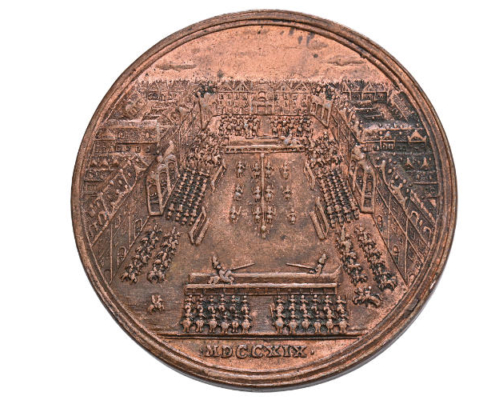
Bruno2023-06-07 10:29:512023-06-27 11:22:29The Wedding of a Century in Saxony
https://new.coinsweekly.com/wp-content/uploads/2023/06/2023KW23HA00.jpg
500
1000
Bruno
https://new.coinsweekly.com/wp-content/uploads/2023/01/logo-coinsweekly_590x204.png
Bruno2023-06-07 10:29:512023-06-27 11:22:29The Wedding of a Century in Saxony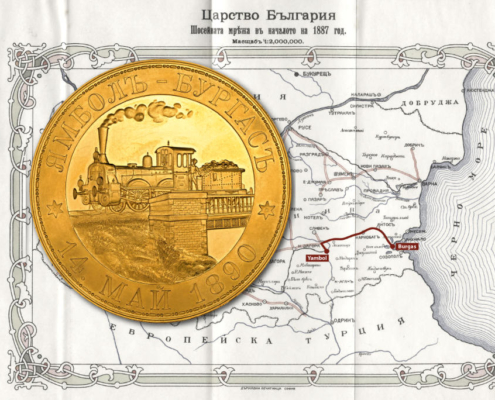 https://new.coinsweekly.com/wp-content/uploads/2023/10/2023KW43HA_00.jpg
684
860
Ursula Kampmann
https://new.coinsweekly.com/wp-content/uploads/2023/01/logo-coinsweekly_590x204.png
Ursula Kampmann2023-10-26 09:05:112023-10-26 11:52:11Bulgaria, Prince Ferdinand I and the Railroad
https://new.coinsweekly.com/wp-content/uploads/2023/10/2023KW43HA_00.jpg
684
860
Ursula Kampmann
https://new.coinsweekly.com/wp-content/uploads/2023/01/logo-coinsweekly_590x204.png
Ursula Kampmann2023-10-26 09:05:112023-10-26 11:52:11Bulgaria, Prince Ferdinand I and the Railroad
Save 50% on Volumes 1–50 of “Collection Moneta”
For 30 years now, numismatic articles have been published in the series “Collection Moneta”, edited by Georges Depeyrot. The series now comprises a full 210 volumes. The first 50 of these can now be purchased at half price until the end of January; after that, they will no longer be available for purchase.
James Halperin Receives Professional Numismatists Guild’s Highest Award
The Professional Numismatists Guild has given its highest honor, the Abe Kosoff Founders Award, to James Halperin, co-founder of Heritage Auctions. Find out more about Halperin’s achievements and the other PNG award recipients here.