







Archive: People and Markets
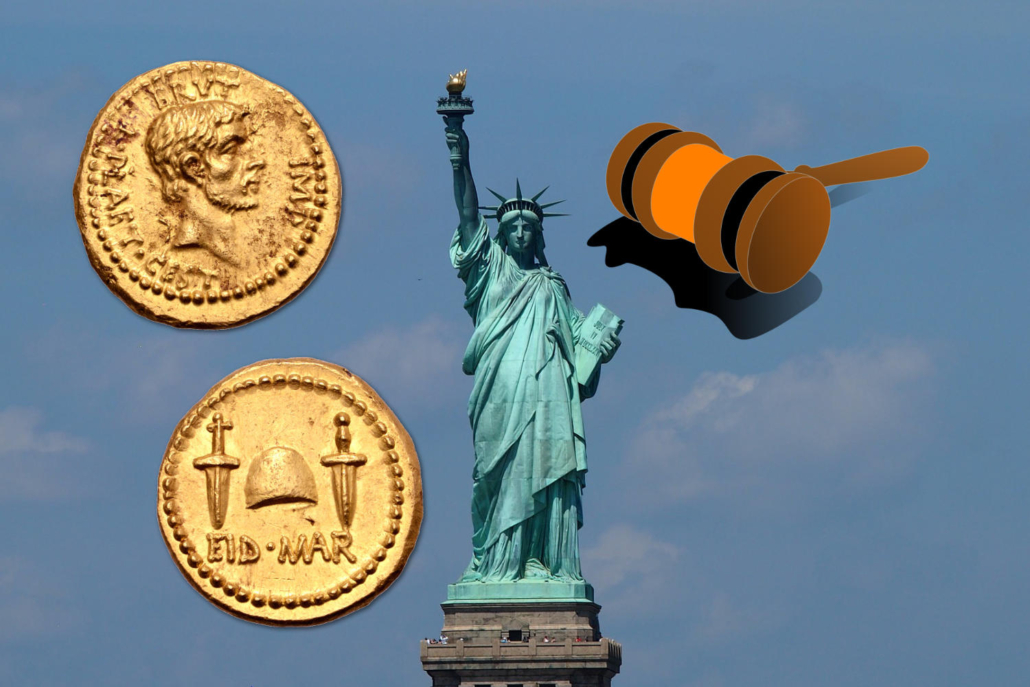
Coin Dealer Italo Vecchi Charged with Grand Larceny
Coin dealer Italo Vecchi has been indicted in Manhattan for first-degree grand larceny as well as other felonies. The charges are related to the trial against Richard Beale and the forged provenance of what used to be the world’s most expensive ancient coin.
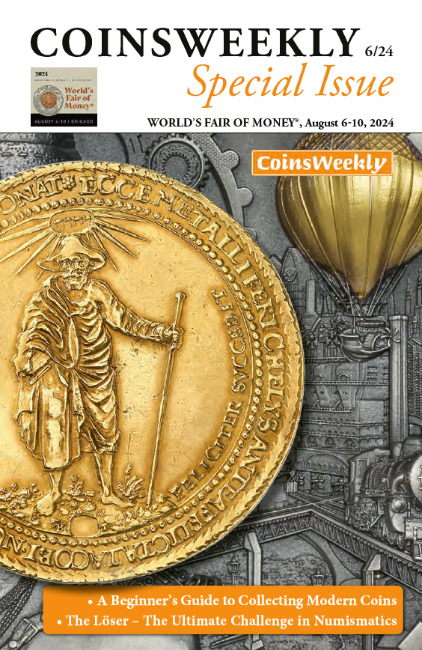
CoinsWeekly Special for the ANA World’s Fair of Money Chicago 2024
On the occasion of the ANA World’s Fair of Money in Chicago, we are publishing our sixth printed CoinsWeekly Special of 2024. It includes a helpful beginner’s guide to collecting modern coins.
Archive: Coins, Medals and more
 https://new.coinsweekly.com/wp-content/uploads/2024/10/2024KW43HA_00.jpg
684
860
Lucie Loechel
https://new.coinsweekly.com/wp-content/uploads/2023/01/logo-coinsweekly_590x204.png
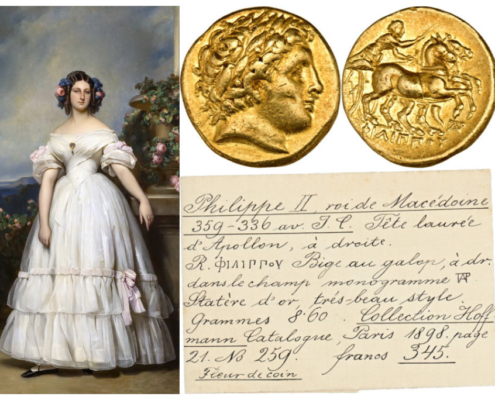
Lucie Loechel2024-10-24 10:15:002024-10-24 13:59:31Clémentine d’Orléans: Extraordinary Woman and Coin Collector
https://new.coinsweekly.com/wp-content/uploads/2024/10/2024KW43HA_00.jpg
684
860
Lucie Loechel
https://new.coinsweekly.com/wp-content/uploads/2023/01/logo-coinsweekly_590x204.png
Lucie Loechel2024-10-24 10:15:002024-10-24 13:59:31Clémentine d’Orléans: Extraordinary Woman and Coin Collector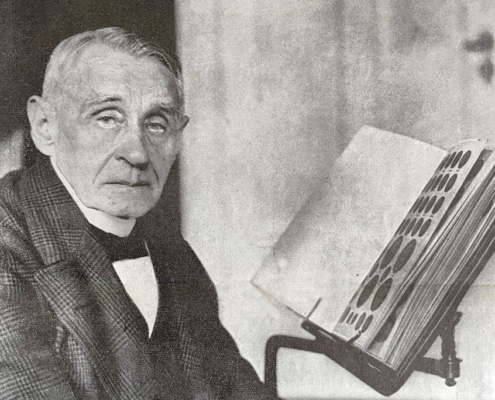 https://new.coinsweekly.com/wp-content/uploads/2025/02/2025KW08HA01_00.jpg
684
860
Lucie Loechel
https://new.coinsweekly.com/wp-content/uploads/2023/01/logo-coinsweekly_590x204.png
Lucie Loechel2025-02-20 09:21:132025-02-20 09:49:19L. E. Bruun: A Collector in His Time
https://new.coinsweekly.com/wp-content/uploads/2025/02/2025KW08HA01_00.jpg
684
860
Lucie Loechel
https://new.coinsweekly.com/wp-content/uploads/2023/01/logo-coinsweekly_590x204.png
Lucie Loechel2025-02-20 09:21:132025-02-20 09:49:19L. E. Bruun: A Collector in His Time
Defamatory Attack on IADAA And Its Officers – a Response
A French newspaper article claims IADAA chairman Vincent Geerling to be involved in trafficking antiquities. A close look reveals a distortion of facts – or how the journalist and the authorities simply ignored them. With consequences not only for the accused.
The Silver Coinage of the Gupta Empire and Associated States in Western India: Analysis, Classification and Illustrated Catalogue
Authors Ian J. Todd and A.M. Fishman have published a new book on the silver coinage of the Gupta Empire and associated states in western India. Read their announcement here.