






Archive: People and Markets
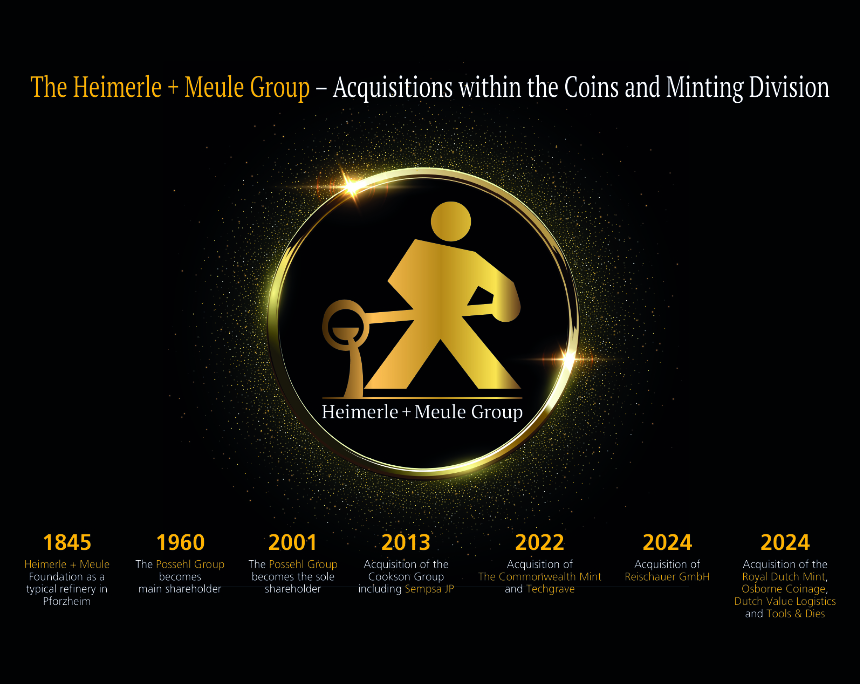
Royal Dutch Mint and Osborne Coinage Join the Heimerle + Meule Group
It was only recently that we posted about the acquisition of Reischauer by the Heimerle + Meule Group – but the next big announcement follows right away: the company acquired all shares in the Royal United Mint, who is the parent company of well-known businesses like the Royal Dutch Mint and Osborne Coinage.
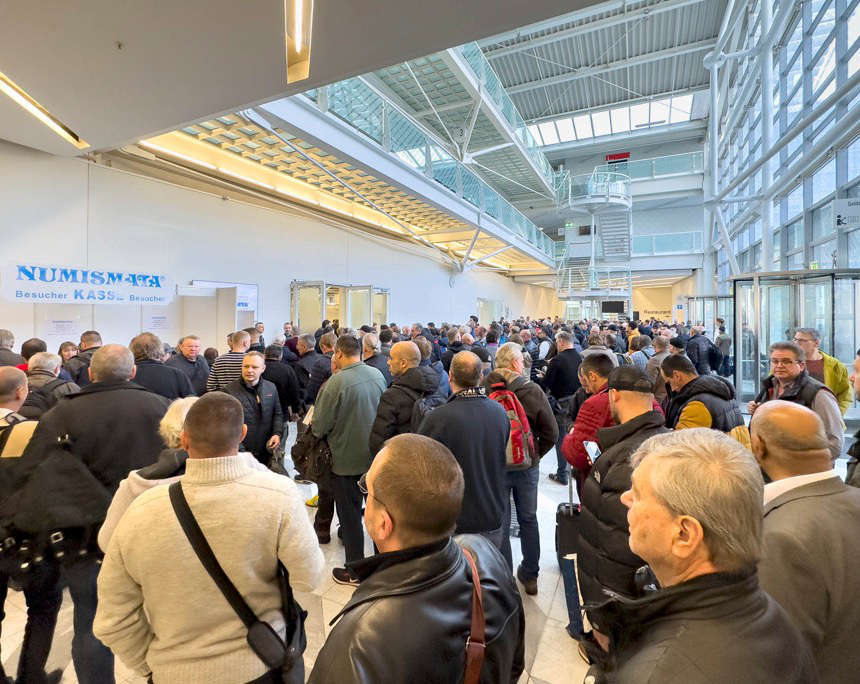
Numismata: The Coin Show with a Special Flair
From 2 to 3 March 2024, the internationally renowned Numismata will be held in Munich. Angela Modes invites collectors and coin dealers from all over the world to experience the wide range of offers at the show.
Archive: Coins, Medals and more
 https://new.coinsweekly.com/wp-content/uploads/2024/09/2024KW39HA_00.jpg
684
860
Sebastian Wieschowski
https://new.coinsweekly.com/wp-content/uploads/2023/01/logo-coinsweekly_590x204.png
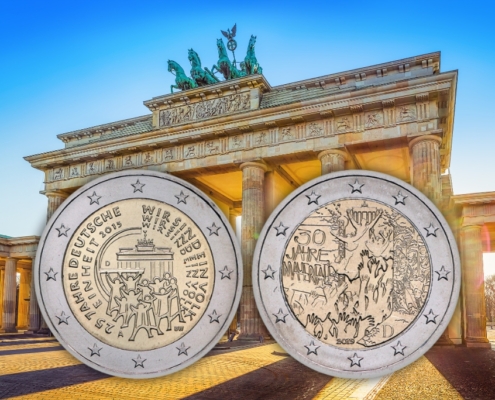
Sebastian Wieschowski2024-09-26 06:00:552024-09-26 09:25:24Unity Coin Sows Discord: More Than Just a Matter of Taste?
https://new.coinsweekly.com/wp-content/uploads/2024/09/2024KW39HA_00.jpg
684
860
Sebastian Wieschowski
https://new.coinsweekly.com/wp-content/uploads/2023/01/logo-coinsweekly_590x204.png
Sebastian Wieschowski2024-09-26 06:00:552024-09-26 09:25:24Unity Coin Sows Discord: More Than Just a Matter of Taste?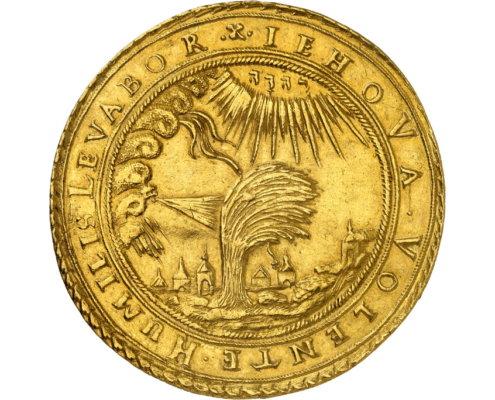 https://new.coinsweekly.com/wp-content/uploads/2024/12/2024KW49HA_00-1.jpg
684
860
Lucie Loechel
https://new.coinsweekly.com/wp-content/uploads/2023/01/logo-coinsweekly_590x204.png
Lucie Loechel2024-12-12 09:49:262024-12-12 10:13:15The Bending Willow Tree
https://new.coinsweekly.com/wp-content/uploads/2024/12/2024KW49HA_00-1.jpg
684
860
Lucie Loechel
https://new.coinsweekly.com/wp-content/uploads/2023/01/logo-coinsweekly_590x204.png
Lucie Loechel2024-12-12 09:49:262024-12-12 10:13:15The Bending Willow Tree
Are Things Becoming Too Colourful? France and Portugal Issue 2-Euro Colour Coins
After six years, two Eurozone countries make use of the opportunity to design commemorative 2-euro coins with a special effect. Until now, official 2-euro coins with colour have been an absolute exception – for they are not at all liked to be seen in Brussels.
An “Error Coin” No Collector Is Happy About
The quality of the country’s collector coins is the subject of heated debate in Germany. This regards silver coins and colour issues. But the problem is not limited to German mints – the phenomenon of “milk spots” in particular is a major concern for coin producers around the world.