






Archive: People and Markets
Pobjoy Mint to Close Their Doors at the End of the Year
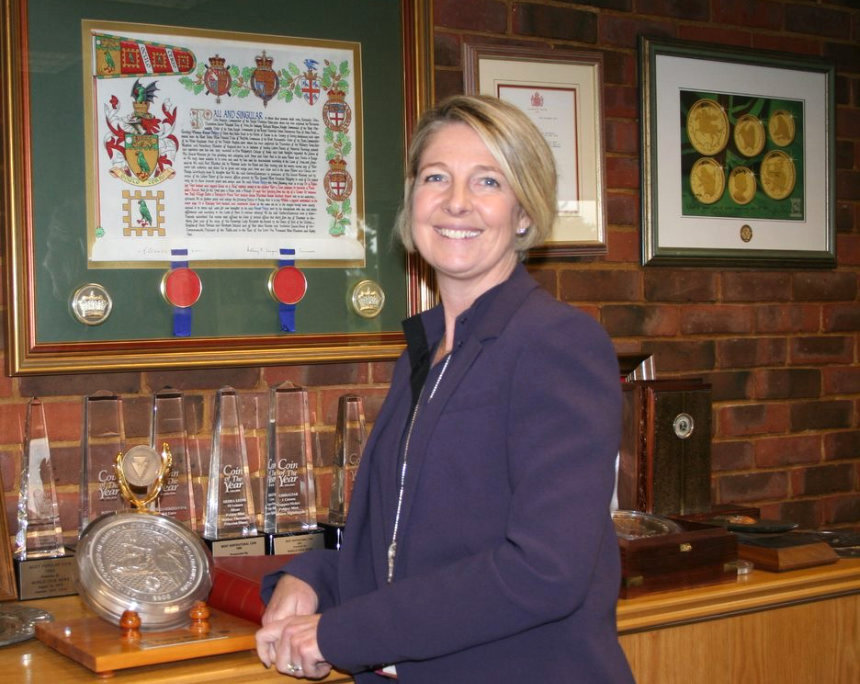
Pobjoy Mint, an icon of Non-Circulating Legal Tender manufacturing have announced they will close their doors. This does not come as a surprise for those who know the market. Ursula Kampmann comments.
Ruthenium on Euro Commemorative Coins: Mints Turn to Innovative Finishes – with the Blessing of Central Banks
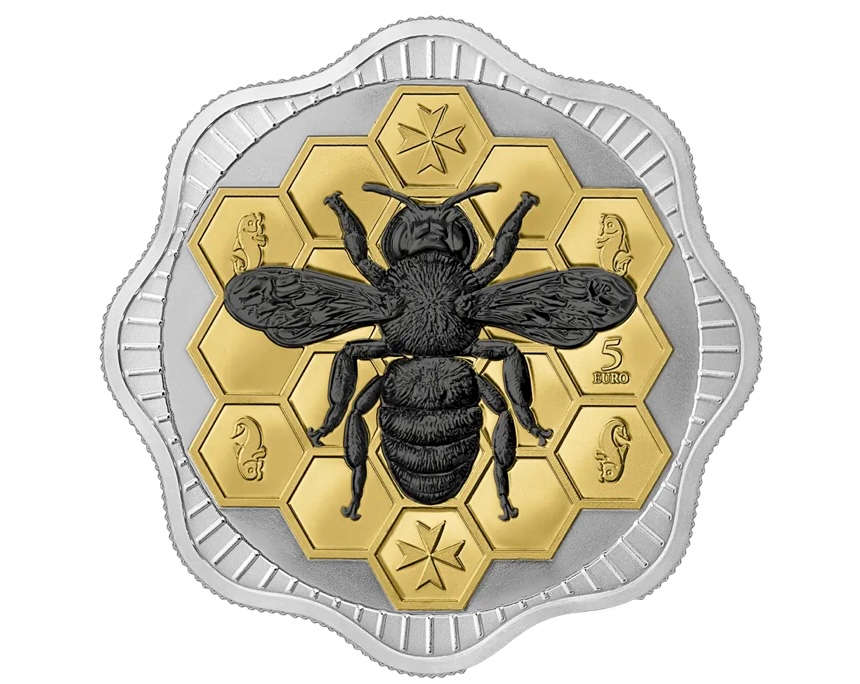
Coins with exotic precious metal coatings have long been viewed with skepticism, but Malta has now set a new trend with a galvanised commemorative coin. Other eurozone countries are also embracing innovative finishing techniques to capture contemporary tastes.
Archive: Coins, Medals and more
 https://new.coinsweekly.com/wp-content/uploads/2024/02/2024KW09aHauptartikel_00.jpg
684
860
Ursula Kampmann
https://new.coinsweekly.com/wp-content/uploads/2023/01/logo-coinsweekly_590x204.png
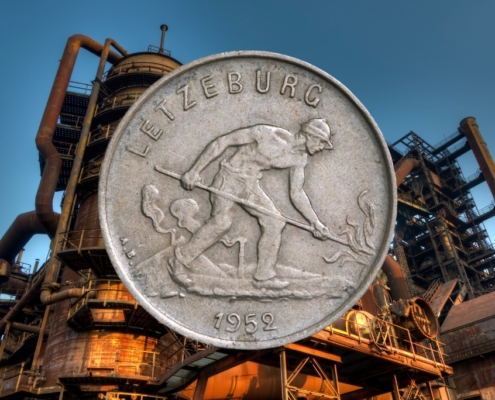
Ursula Kampmann2024-02-29 09:19:272024-02-29 14:11:43A Coin on a Coin: Luxembourg to Resurrect the “Feierstëppler”
https://new.coinsweekly.com/wp-content/uploads/2024/02/2024KW09aHauptartikel_00.jpg
684
860
Ursula Kampmann
https://new.coinsweekly.com/wp-content/uploads/2023/01/logo-coinsweekly_590x204.png
Ursula Kampmann2024-02-29 09:19:272024-02-29 14:11:43A Coin on a Coin: Luxembourg to Resurrect the “Feierstëppler”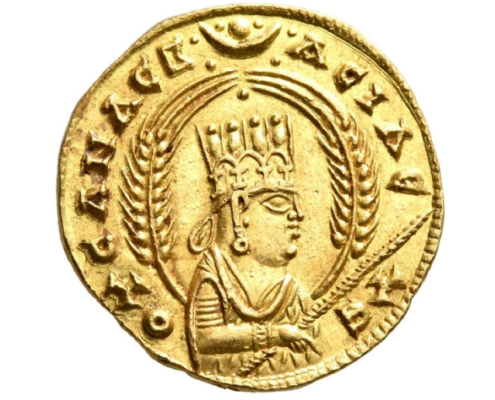 https://new.coinsweekly.com/wp-content/uploads/2023/10/2023KW41HA_00.jpg
684
860
Ursula Kampmann
https://new.coinsweekly.com/wp-content/uploads/2023/01/logo-coinsweekly_590x204.png
Ursula Kampmann2023-10-12 12:33:032023-10-12 14:04:09An Introduction to Axumite Coinage
https://new.coinsweekly.com/wp-content/uploads/2023/10/2023KW41HA_00.jpg
684
860
Ursula Kampmann
https://new.coinsweekly.com/wp-content/uploads/2023/01/logo-coinsweekly_590x204.png
Ursula Kampmann2023-10-12 12:33:032023-10-12 14:04:09An Introduction to Axumite Coinage
New Euro Banknotes – It Will Be One of These Two Themes
It is intended that euro banknotes are redesigned every 10 to 15 years. This is a long process that already has been going on for a while. The search is currently on for a theme for the future designs. Two finalists have now been chosen.
Two Sides of the Same Coin. Means of Transactions – Masterpieces of Art
In a new exhibition at the Museum of the National Bank of Romania in Bucharest, the Alpha Bank Numismatic Collection shows historically and culturally important coins and addresses their role in communication and financial education.