






Archive: People and Markets
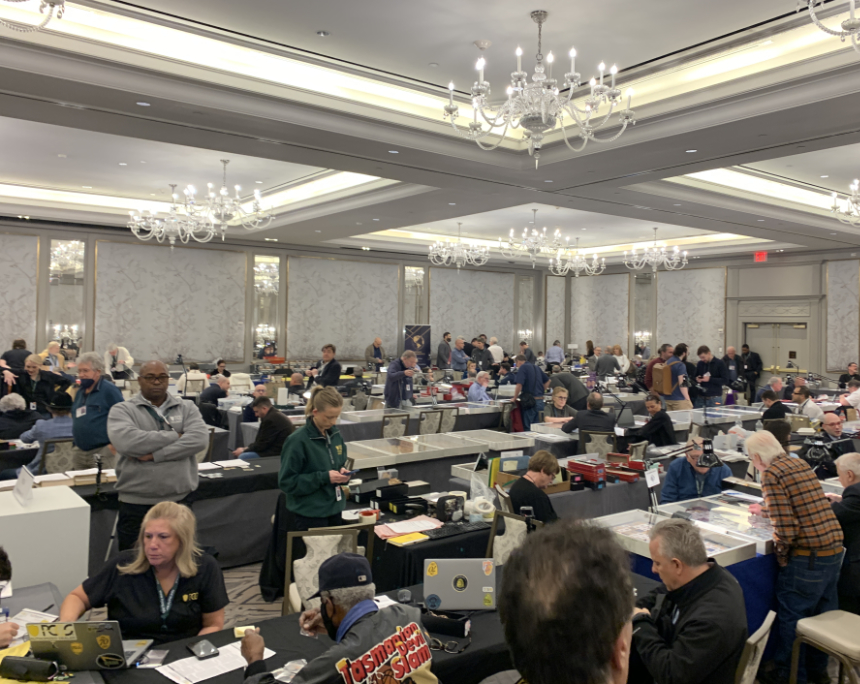
Classical Numismatics Gets Off to a Great Start to 2024 in New York
The 52nd New York International Numismatic Convention was held from 12 to 14 January at the InterContinental New York Barclay Hotel. All the “sold” signs on the dealers’ tables clearly show that classical numismatics is still in high demand.
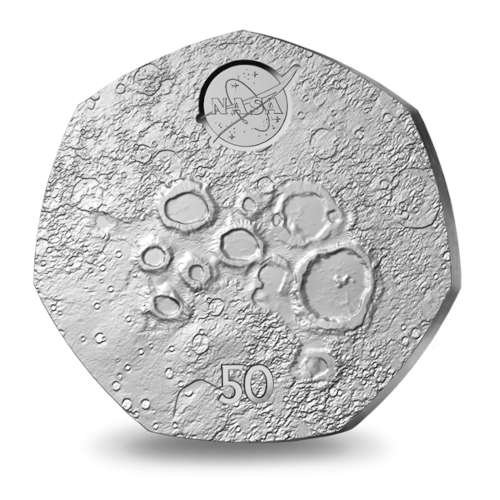
Pobjoy’s 50 Pence Moon Coin
Pobjoy Mint has issued a 50 pence coin featuring the surface of the moon. The coin is available in two versions and comes with special permission granted by NASA.
Archive: Coins, Medals and more
 https://new.coinsweekly.com/wp-content/uploads/2025/01/2025KW02HA_00.jpg
684
860
Lucie Loechel
https://new.coinsweekly.com/wp-content/uploads/2023/01/logo-coinsweekly_590x204.png
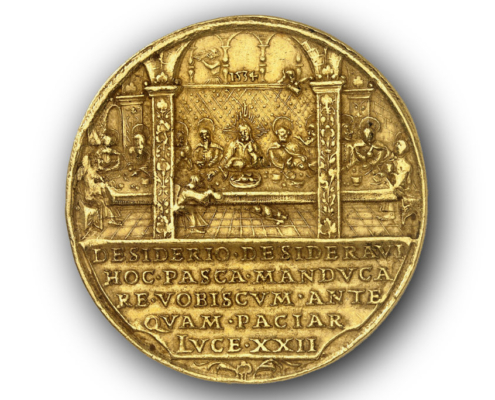
Lucie Loechel2025-01-09 10:35:332025-01-09 14:45:59Joachimsthal and the Reformation
https://new.coinsweekly.com/wp-content/uploads/2025/01/2025KW02HA_00.jpg
684
860
Lucie Loechel
https://new.coinsweekly.com/wp-content/uploads/2023/01/logo-coinsweekly_590x204.png
Lucie Loechel2025-01-09 10:35:332025-01-09 14:45:59Joachimsthal and the Reformation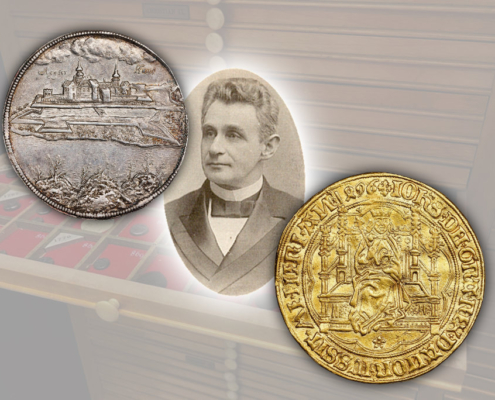 https://new.coinsweekly.com/wp-content/uploads/2024/07/2024KW27HA_00.jpg
684
860
Ursula Kampmann
https://new.coinsweekly.com/wp-content/uploads/2023/01/logo-coinsweekly_590x204.png
Ursula Kampmann2024-07-04 10:28:022024-07-04 15:03:20Highlights from the Bruun Collection
https://new.coinsweekly.com/wp-content/uploads/2024/07/2024KW27HA_00.jpg
684
860
Ursula Kampmann
https://new.coinsweekly.com/wp-content/uploads/2023/01/logo-coinsweekly_590x204.png
Ursula Kampmann2024-07-04 10:28:022024-07-04 15:03:20Highlights from the Bruun Collection
NGC Promotes Ben Wengel to Senior Vice President of World Coin Grading
NGC promoted Ben Wengel to Senior Vice President of World Coin Grading. The expert for coin counterfeit detection has worked for NGC since his time as a university student.
ANA World’s Fair of Money 2024: Waiting for the Election
The world’s largest coin show once again attracted collectors and dealers from around the globe. But for US numismatists, the show certainly was not business as usual – the eyes of the industry are on Washington.