







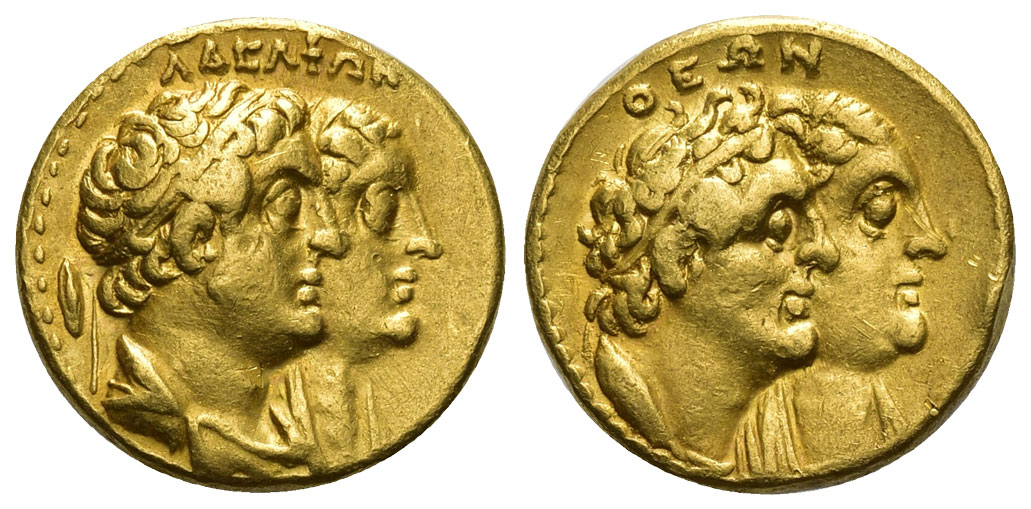
AV Tetradrachm (282–272 BC),
King Ptolemy II and Queen Arsinoe II.
From the major collection of Alexandria mint.
Condition: vf+
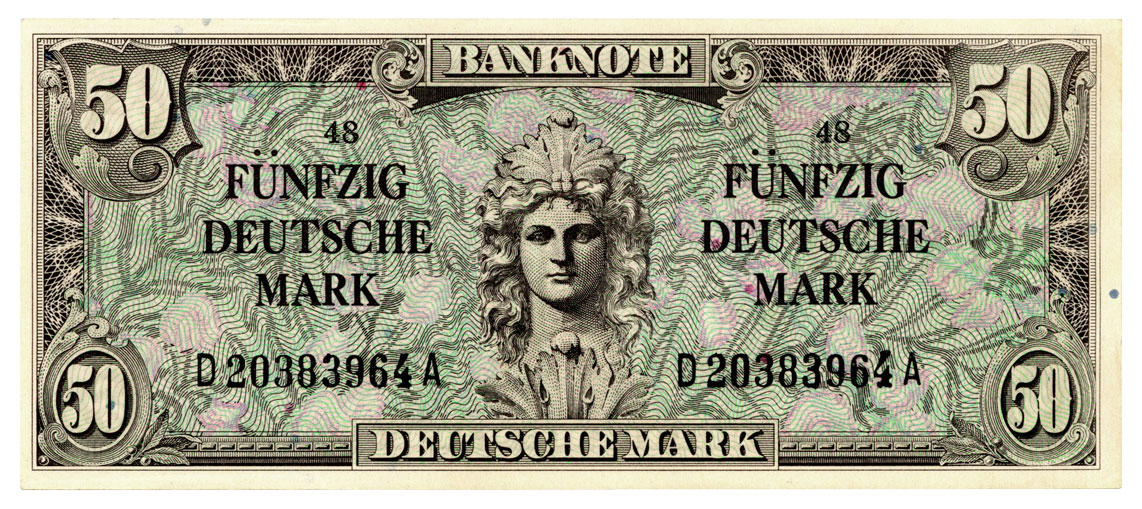
50 Deutsche Mark o.D. ( 1948-1949) "Liberty".
Condition: extremly rare, I
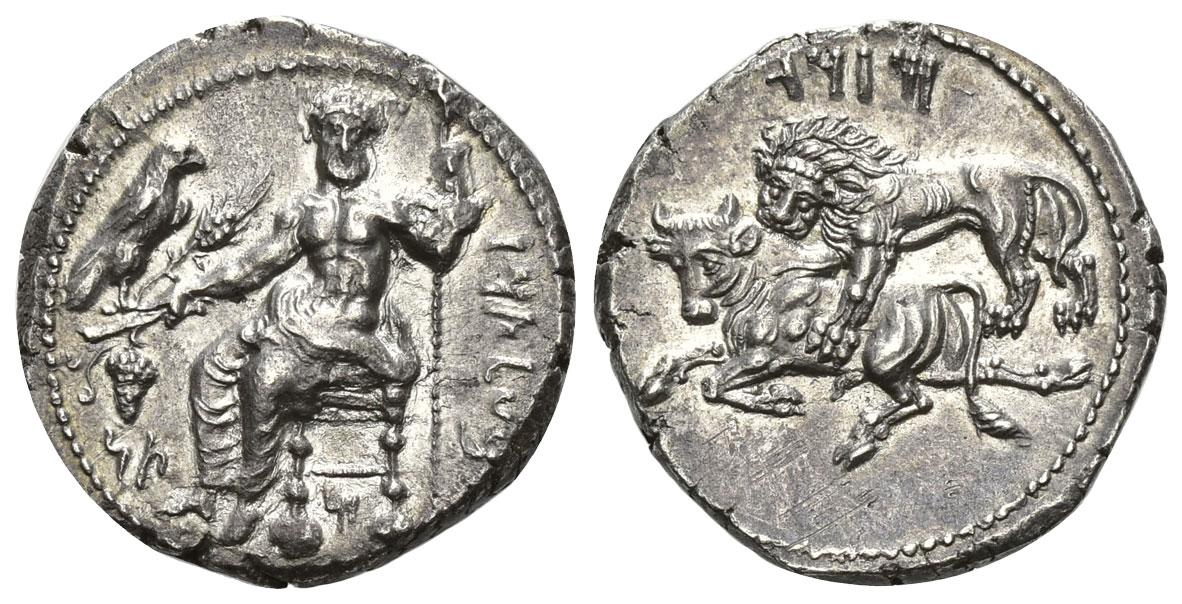
AR Stater (361-334 BC).
Obv. Baal of Tarsos.
Conditon: ef
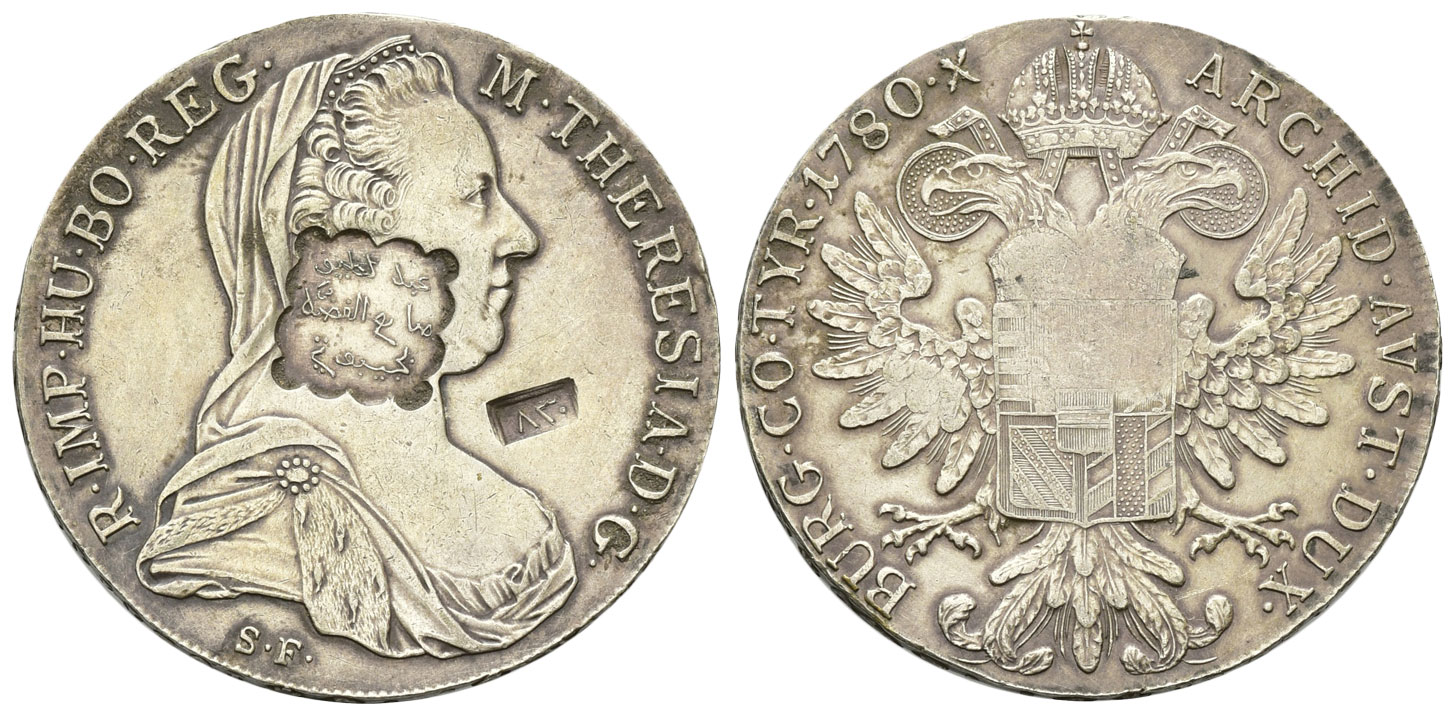
Taler 1780 SF
with counter stamp Djibouti (1870-1900).
Condition: vf
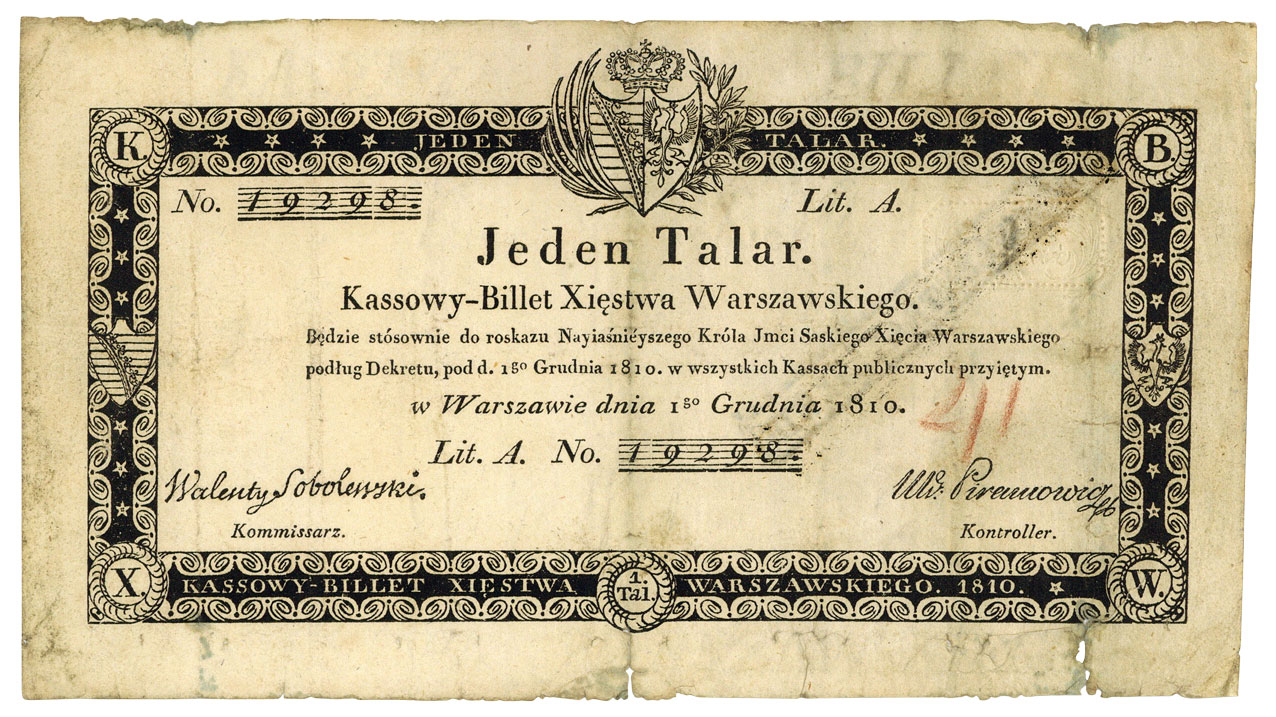
1 Talar 1. December 1810.
Condition: III-IV
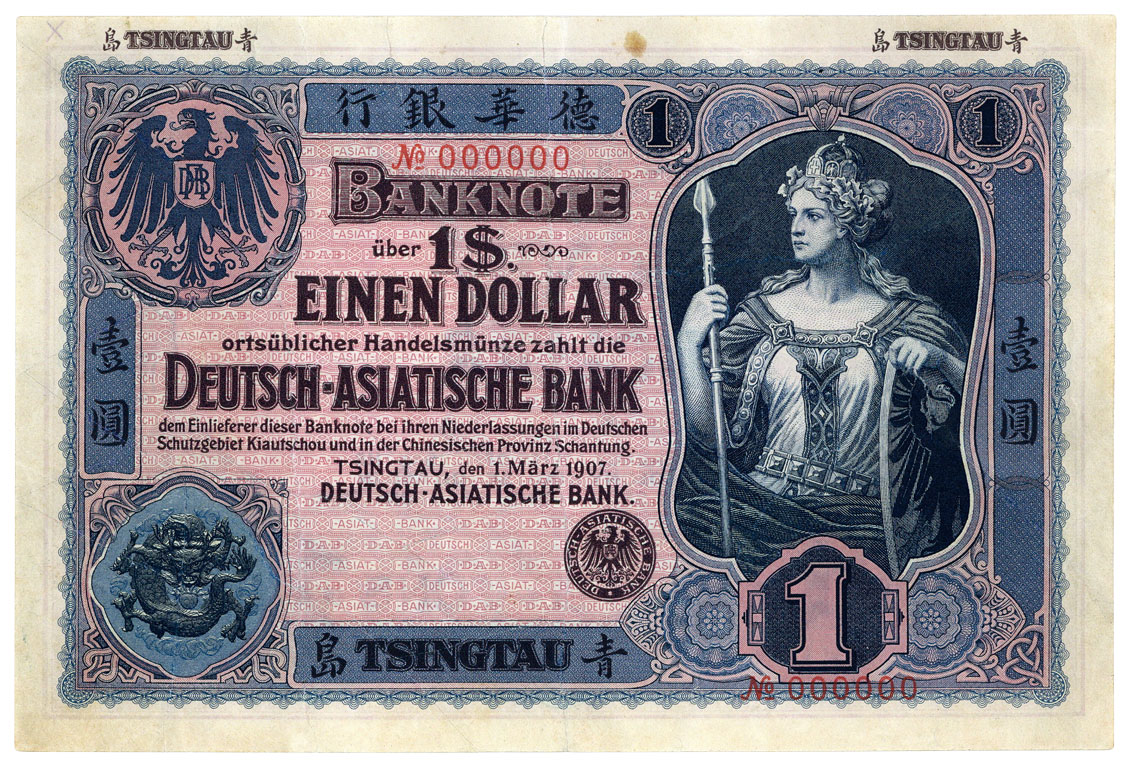
1 Dollar 1.3.1907, Tsingtao.
Condition: very rare, restored
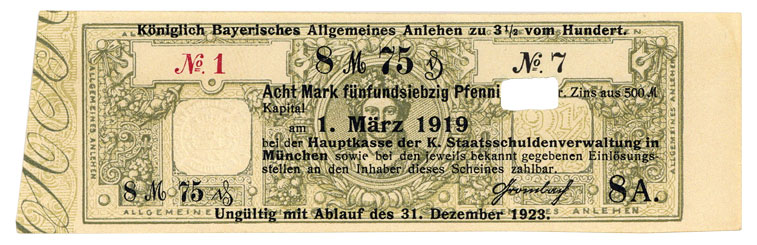
Royal Bavarian General Loan.
8.75 Marks, March 1, 1919.
Condition: rare, I
Archive: People and Markets
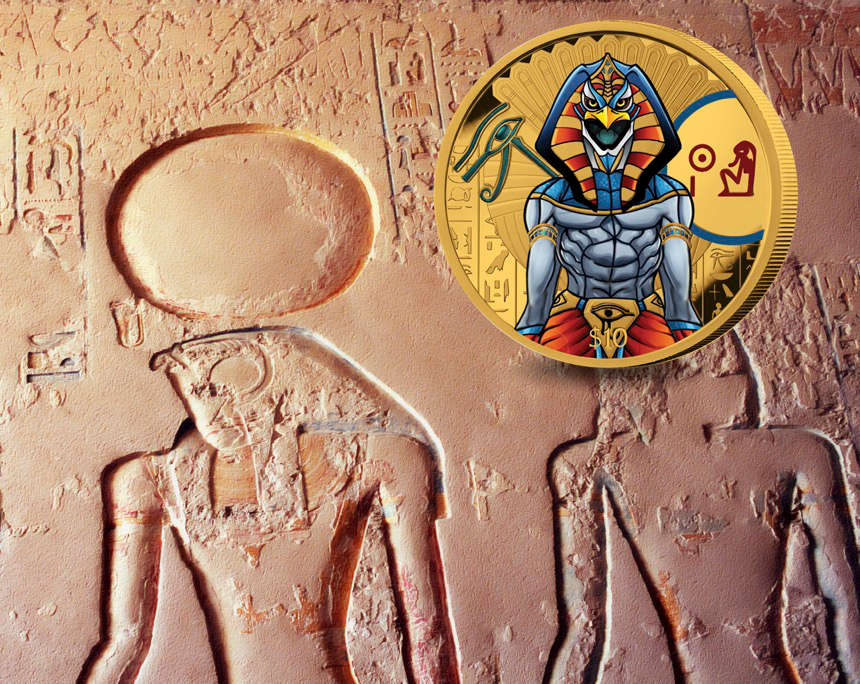
Pobjoy Mint Features Egyptian God Ra
The Egyptologist Thomas Young made significant contributions to the decipherment of Egyptian hieroglyphics. On the occasion of his 250th birthday, Pobjoy’s releases its 2023 Egyptian Gods Series. The third coin in the series features the God Ra.
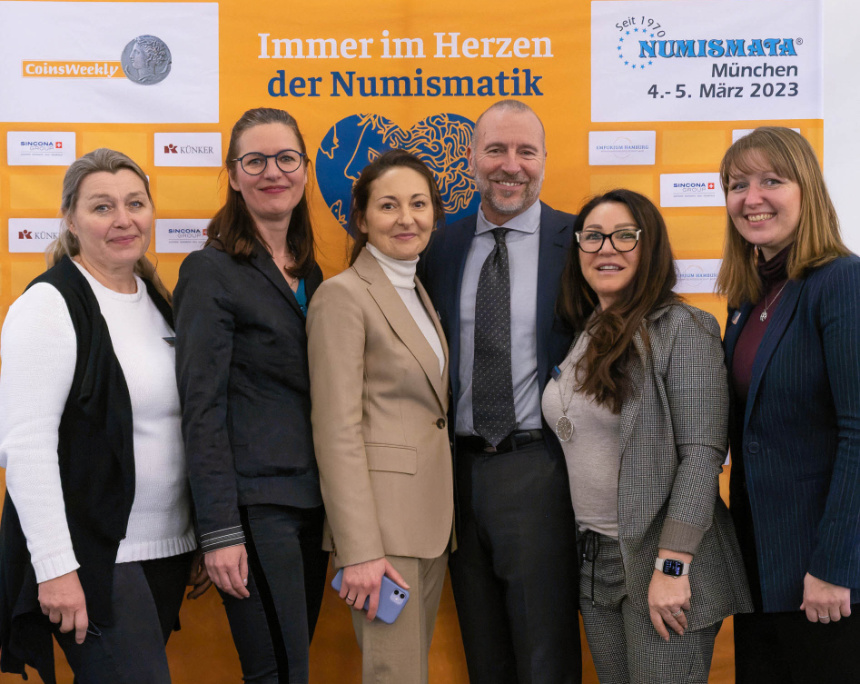
NUMISMATA Under New Management
The NUMISMATA is under new management, as announced on the coin show’s website. Former staff members will take over the organization under the name EMZ Messeveranstaltungs UG. The NUMISMATA in Berlin will also take place again in 2025.
Archive: Coins, Medals and more
 https://new.coinsweekly.com/wp-content/uploads/2023/06/00-6.jpg
489
1001
Bruno
https://new.coinsweekly.com/wp-content/uploads/2023/01/logo-coinsweekly_590x204.png
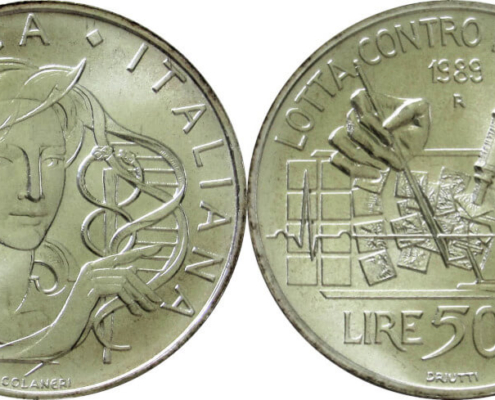
Bruno2022-06-13 12:59:122023-07-03 13:07:57Numismatic Issues Concerning Health, Medicine and Women in Times of Covid, Part 3: Personifications of Health and Medicine
https://new.coinsweekly.com/wp-content/uploads/2023/06/00-6.jpg
489
1001
Bruno
https://new.coinsweekly.com/wp-content/uploads/2023/01/logo-coinsweekly_590x204.png
Bruno2022-06-13 12:59:122023-07-03 13:07:57Numismatic Issues Concerning Health, Medicine and Women in Times of Covid, Part 3: Personifications of Health and Medicine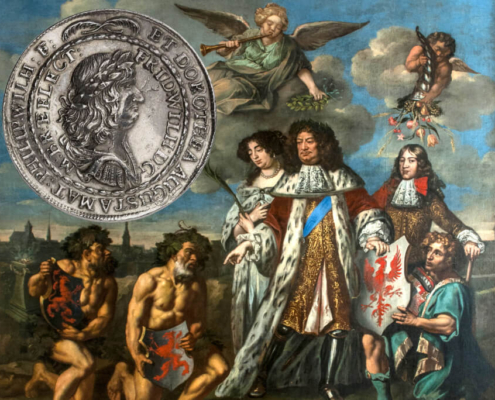 https://new.coinsweekly.com/wp-content/uploads/2023/12/2023KW51HA_00.jpg
684
860
Ursula Kampmann
https://new.coinsweekly.com/wp-content/uploads/2023/01/logo-coinsweekly_590x204.png
Ursula Kampmann2023-12-21 09:39:422023-12-21 09:51:29The Great Elector, Taxes and the Rise of Prussia
https://new.coinsweekly.com/wp-content/uploads/2023/12/2023KW51HA_00.jpg
684
860
Ursula Kampmann
https://new.coinsweekly.com/wp-content/uploads/2023/01/logo-coinsweekly_590x204.png
Ursula Kampmann2023-12-21 09:39:422023-12-21 09:51:29The Great Elector, Taxes and the Rise of Prussia
Spectacular Coin Hoard Discovered in the Province of Utrecht
A hoard of 404 coins has been unearthed in the province of Utrecht. It is probably the first find on the European mainland to include both Roman and British Celtic coins. The coin find underlines the importance of the Lower Germanic Limes for the Roman invasions of Britain.
The Second Sofia Numismatic School
Students who wish to deepen their knowledge of ancient numismatics can now apply for the Sofia Numismatic School. It will take place in September 2025 at the Archaeological Research Base of the Roman Colony of Deultum (near Burgas).